01
Practice before patients
Build familiarity with anatomy, sequence, instruments and decision points in a repeatable environment before entering the operating theatre.
AI-powered surgical simulations with real anatomy, real complications, and a mentor that never sleeps.
Good tissue handling. Maintain your current instrument angle.
Everything you need for your next focused training session, right from your phone.
Built for the next generation of surgeons
For medical students, residents, fellows and surgical programmes that want more deliberate practice before live clinical experience.
Build the anatomy map, rehearse the sequence, face difficult decisions, learn from mistakes and repeat before the live case.
Build familiarity with anatomy, sequence, instruments and decision points in a repeatable environment before entering the operating theatre.
Operax is designed around repeatable practice, feedback and observable performance—not simply completing a lesson or watching a video.
Explore anatomy from the outside, inside, sideways and in sectional views, with structures tagged so the learner can understand what is actually being manipulated.
A procedure is not just the ideal pathway. Operax can frame bleeding, poor visualization, anatomical variation and decision pressure as training moments.
Explore anatomy from external, internal and sectional views with clinically relevant structures and labels.
Step-by-step prompts and feedback designed for deliberate practice without requiring a paid AI call.
Full immersive OR. Compatible with Meta Quest 3 and Apple Vision Pro.
A growing library of surgical training cases across multiple specialties.
Track every metric. Identify weak points. Improve faster.
Train with your whole team. Multi-user simulations in real time.
One learning loop: anatomy → cases → simulation → feedback → progress.
Whole-body and organ-level anatomy with external, internal and sectional views.
Connect anatomy to patient problems, procedures, complications and debriefs.
Rehearse procedural flow and repeat critical decision points without patient risk.
Contextual prompts and reflection cues for deliberate practice—not a replacement for supervision.
Track sessions, weak areas and milestones so improvement becomes visible.
Give programmes assignments, learner review and competency conversations in one place.
Real operating-room context, from first incision to debrief.
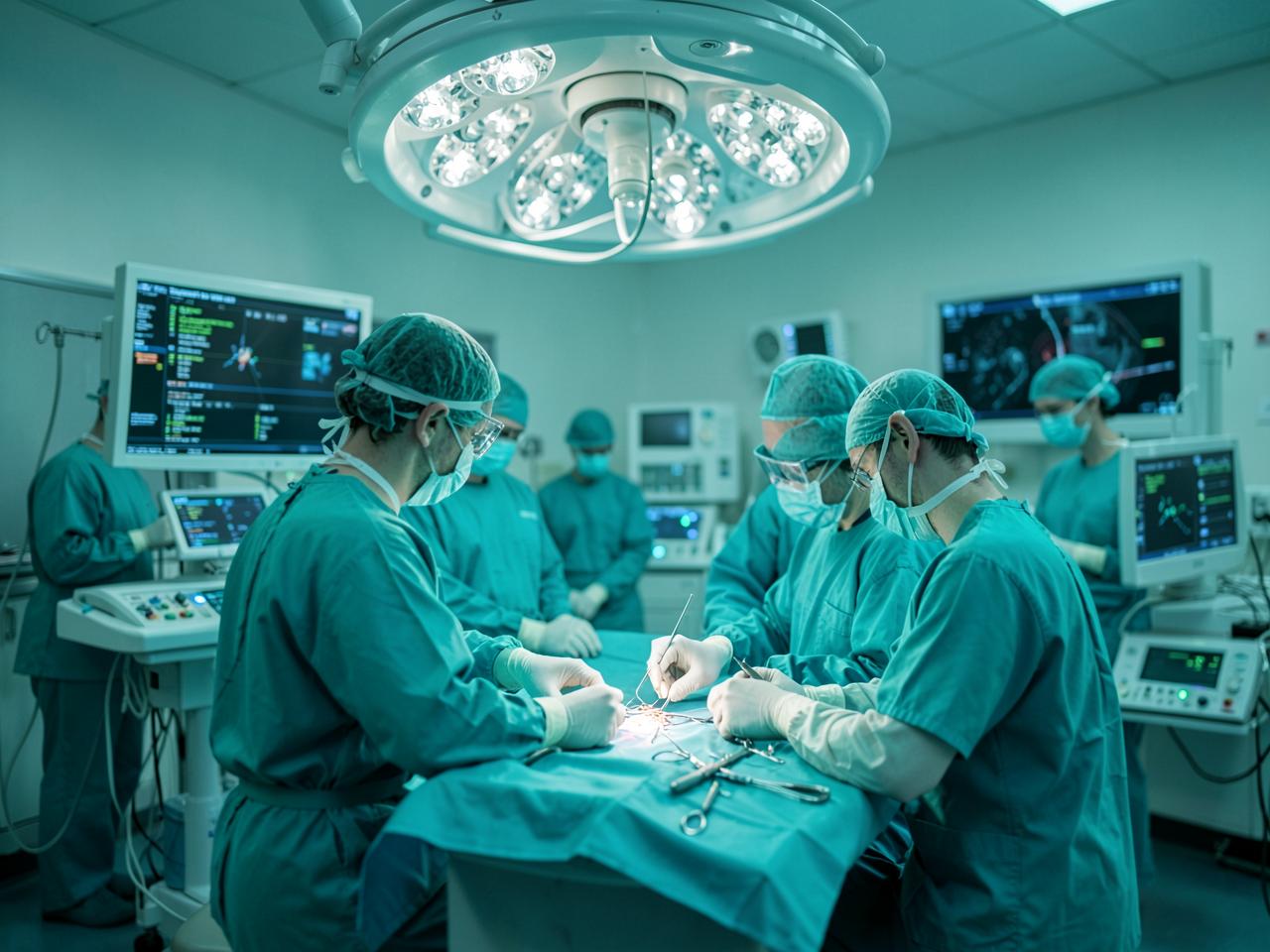
Team roles, instruments and equipment modelled to match the real OR.
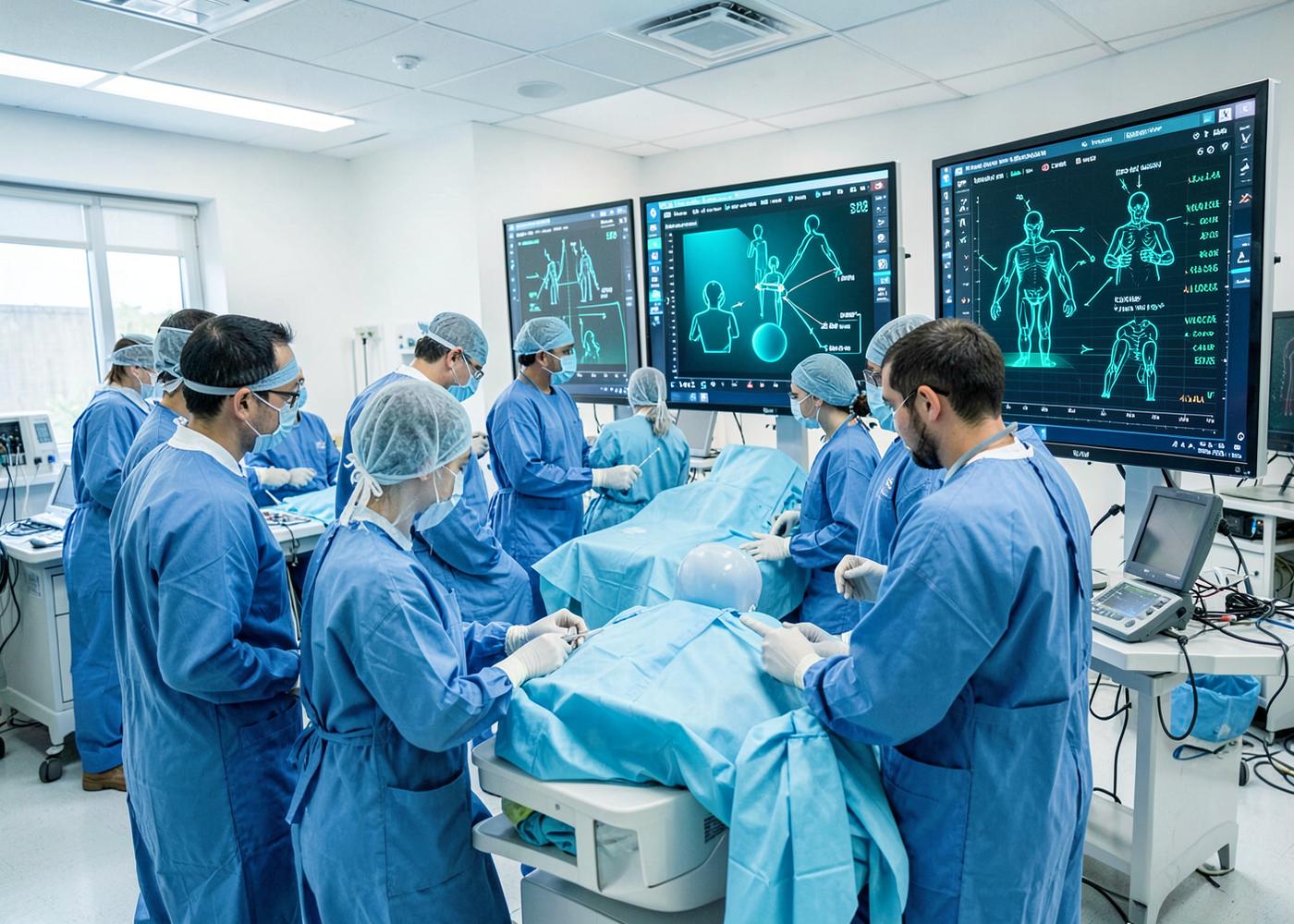
Team-based training with realistic workflows, instruments and live coaching.
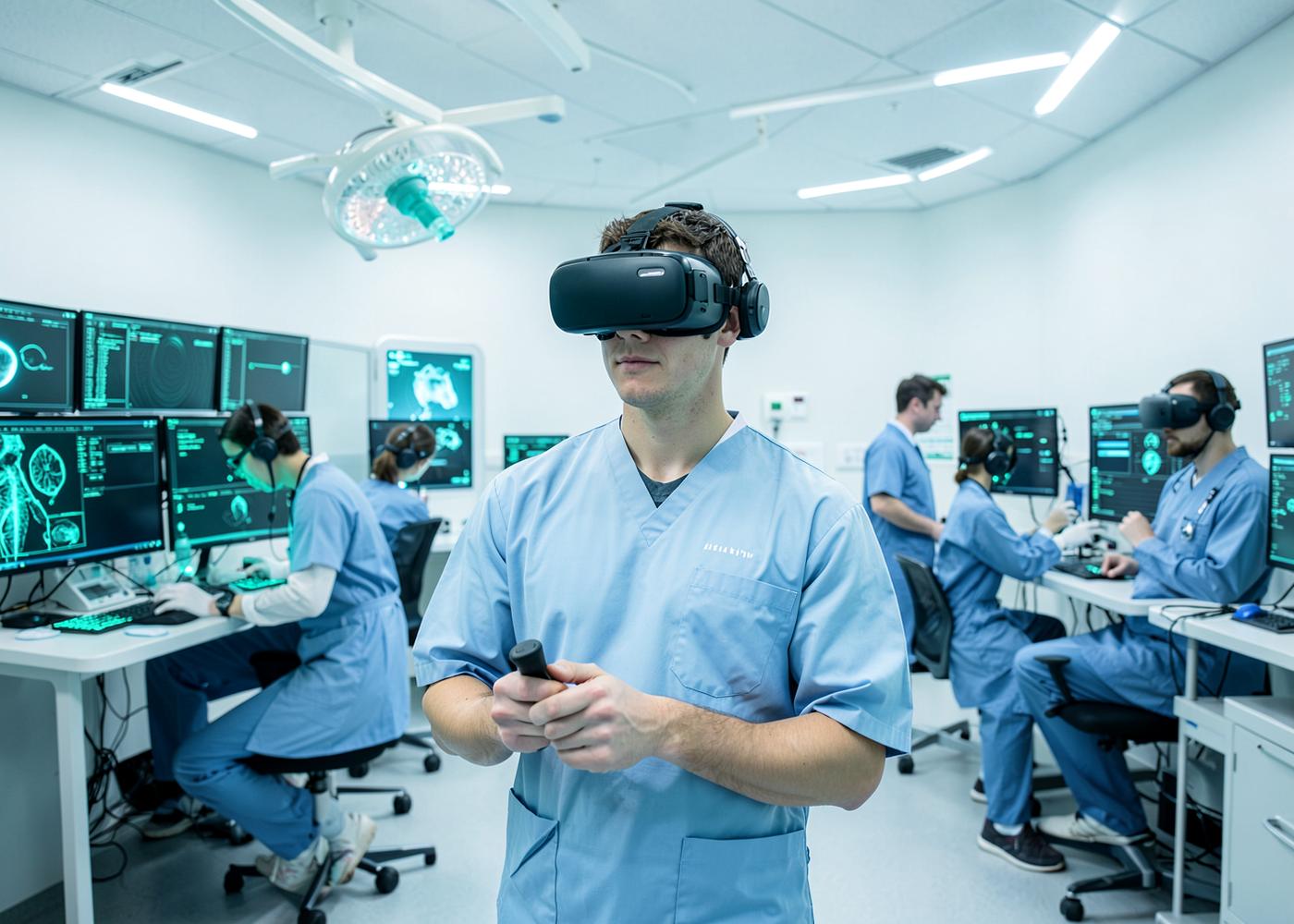
Headset training with hand tracking, or full desktop mode.
The mentor follows each step, flags unsafe technique before it becomes an error and explains the anatomy behind the correction.
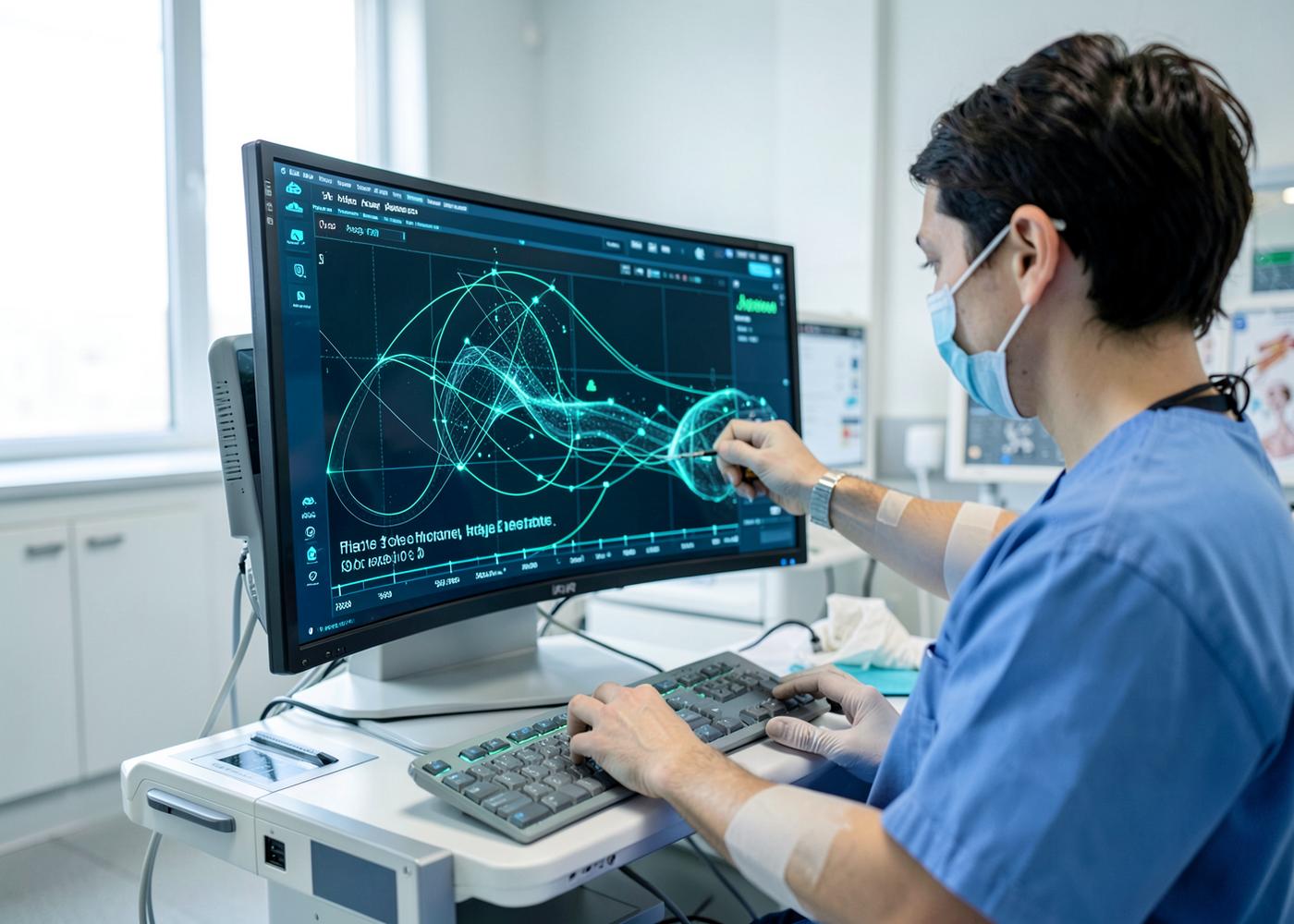
"Retract the fundus higher — you are working too close to the common bile duct."
Operax complements residency, faculty supervision, cadaver/wet-lab training and real OR experience with more deliberate practice beforehand.
Anatomy atlas, planes, landmarks, vessels, nerves, layers and surgical relationships.
Work through procedural steps, instrument positioning and decision points without patient risk.
Introduce complications, anatomical variation and time-pressure decisions that force clinical reasoning.
Review errors, sequence, choices and missed structures with guided feedback from the simulation experience.
Return to the weak step, practice again and build confidence through demonstrated progress.
Take a stronger mental model, procedural familiarity and communication readiness into supervised clinical training.
Browse the available cases across multiple surgical specialties.
Real-time coaching at every step.
Detailed analytics and improvement plan.
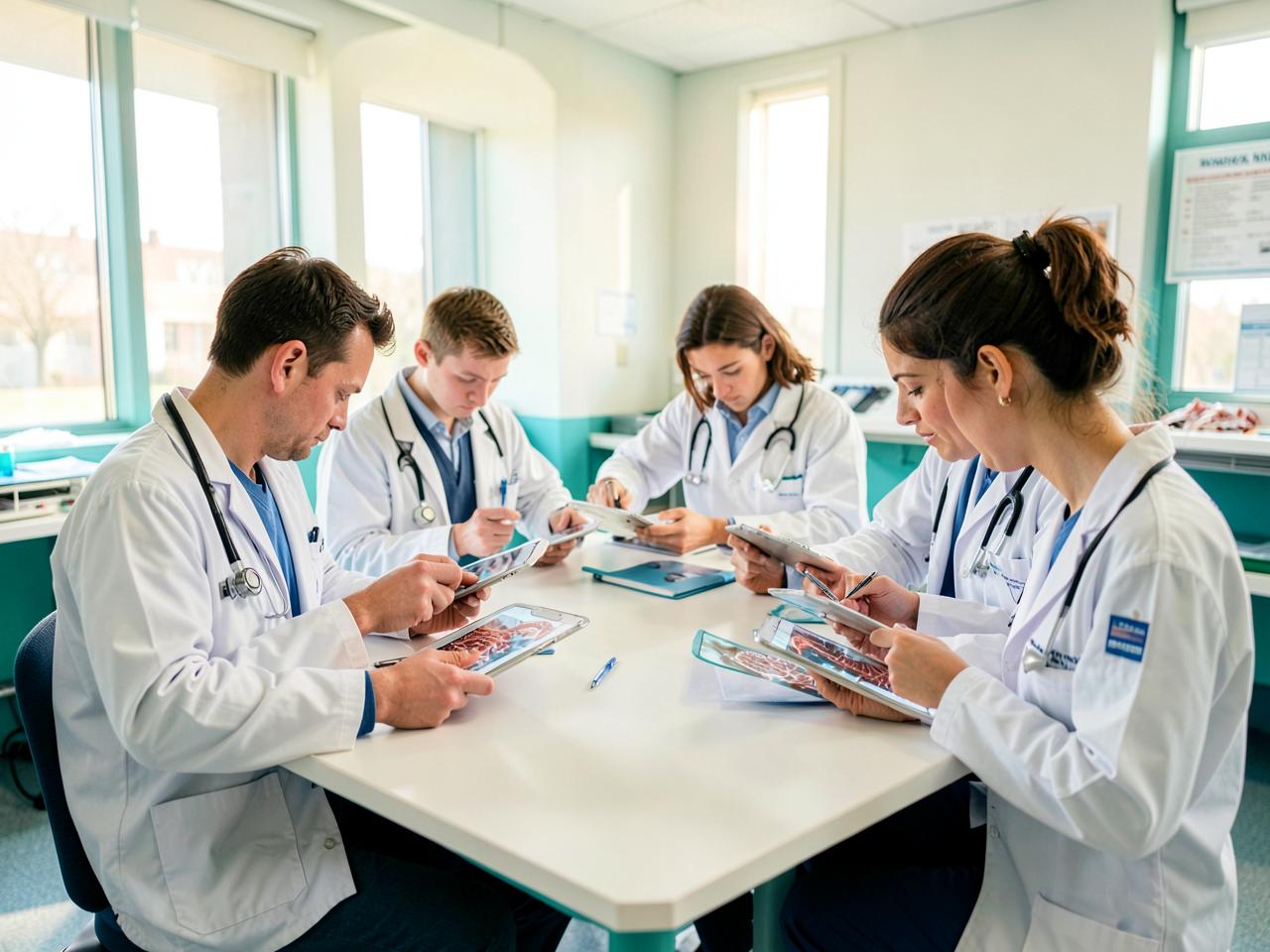
Residents who train weekly on Operax reach procedural confidence faster and make fewer critical errors in supervised cases.
Surgery is high-consequence work. The training goal is more deliberate practice while preserving patient safety and supervised clinical care.
Simulation gives learners a controlled place to rehearse procedures and develop technical and non-technical skills before supervised live care.
Simulation creates a controlled environment for practicing procedural skills without using a real patient as the practice surface.
Evidence from surgical simulation research indicates that specific simulated skills can transfer to operating-room performance, although simulation is a complement to—not a substitute for—supervised clinical training.
Simulation can also train communication, teamwork, situation awareness and decision-making—skills that matter when surgery becomes complex.
Evidence framing: Operax is an educational simulation platform. It does not claim that virtual simulation alone establishes clinical competence or replaces residency, faculty supervision, cadaver/wet-lab training, or live-patient experience.
We believe doctors need more opportunities to practice before a patient is on the table.
Seeing anatomy is not enough. Surgeons must understand relationships, sequence, tissue planes, instruments, decisions and consequences.
Repetition should be accessible, measurable and purposeful. When a learner struggles, the answer should be another opportunity to learn.
Technology should make the invisible visible, practice safer and the next generation better prepared.
Move more early practice into controlled simulation.
Build stronger mental models before supervised live cases.
Turn repetition and feedback into visible competency.
"Practice anatomy, procedure flow and complications before supervised clinical exposure."
"Repeat difficult steps, review the debrief and return to the weak point without patient risk."
"A digital practice layer for residents, fellows and future institutional training programmes."
“Every young doctor deserves more chances to practice before a real patient is depending on them.”
Operax started with a simple question: why should meaningful surgical practice depend on when the right case appears or whether there is enough theatre time?
Operax gives doctors a place to slow down, look closely, make mistakes, ask why and repeat the difficult step. It complements the human teacher rather than replacing one.
The ambition is bigger than 3D models: anatomy before action, reasoning before repetition, feedback before confidence, competency before avoidable risk.
That is the standard we want Operax to keep moving toward.
The basics about Operax, training, access and how the platform fits into surgical education.
Operax is a digital surgical training platform that combines 3D anatomy, surgical cases, simulation practice, AI-assisted learning and progress tracking in one place.
Operax is built for medical students, residents, fellows, new doctors and surgical training programs that want more structured opportunities to learn and practice.
Yes. Eligible new doctors can start with a 15-day free trial to explore the core platform before deciding whether to continue.
No. Operax is a training and simulation tool. It complements residency, faculty supervision, cadaver or wet-lab training and supervised operating-room experience.
Yes. The Anatomy Explorer is designed for external, internal and sectional exploration so learners can study structures and their surgical relationships in greater depth.
You can study anatomy, work through surgical cases, rehearse procedural thinking, explore complications and use simulation-based exercises to reinforce what you learn.
No. The AI mentor is an educational assistant. It can explain, prompt and guide reflection, but clinical supervision and professional judgment remain essential.
No. Operax is designed to run through a modern web browser. You can begin with a standard computer and internet connection.
It gives you a place to study anatomy, repeat difficult concepts, reason through cases, practice without patient risk and identify areas that need more work before supervised clinical exposure.
For questions, support or partnership enquiries, email info@operax.cc.
15-day Doctor Free trial. No card required. Upgrade only when you are ready.
Explore anatomy, rehearse clinical decisions, and reflect on your performance — all from your phone.
Your practice space
Anatomy-first. Simulation-based. Practice-driven.
Your learning toolkit
Use guided prompts to explore decisions, review key moments, and build better habits.
Start learningA deliberate practice loop
Designed around learning
Repeat challenging steps before supervised clinical experience.
Use structured prompts and AI-assisted reflection to learn from each attempt.
Build consistency through repeat practice and session review.
Whether you are building your own practice routine or supporting a training programme, start with a path that fits you.
Create an account to save your sessions and follow your progress.
Sign up for OperaxAlready registered? Log in