Why the Operating Room Is No Longer the Only Place to Learn Surgery
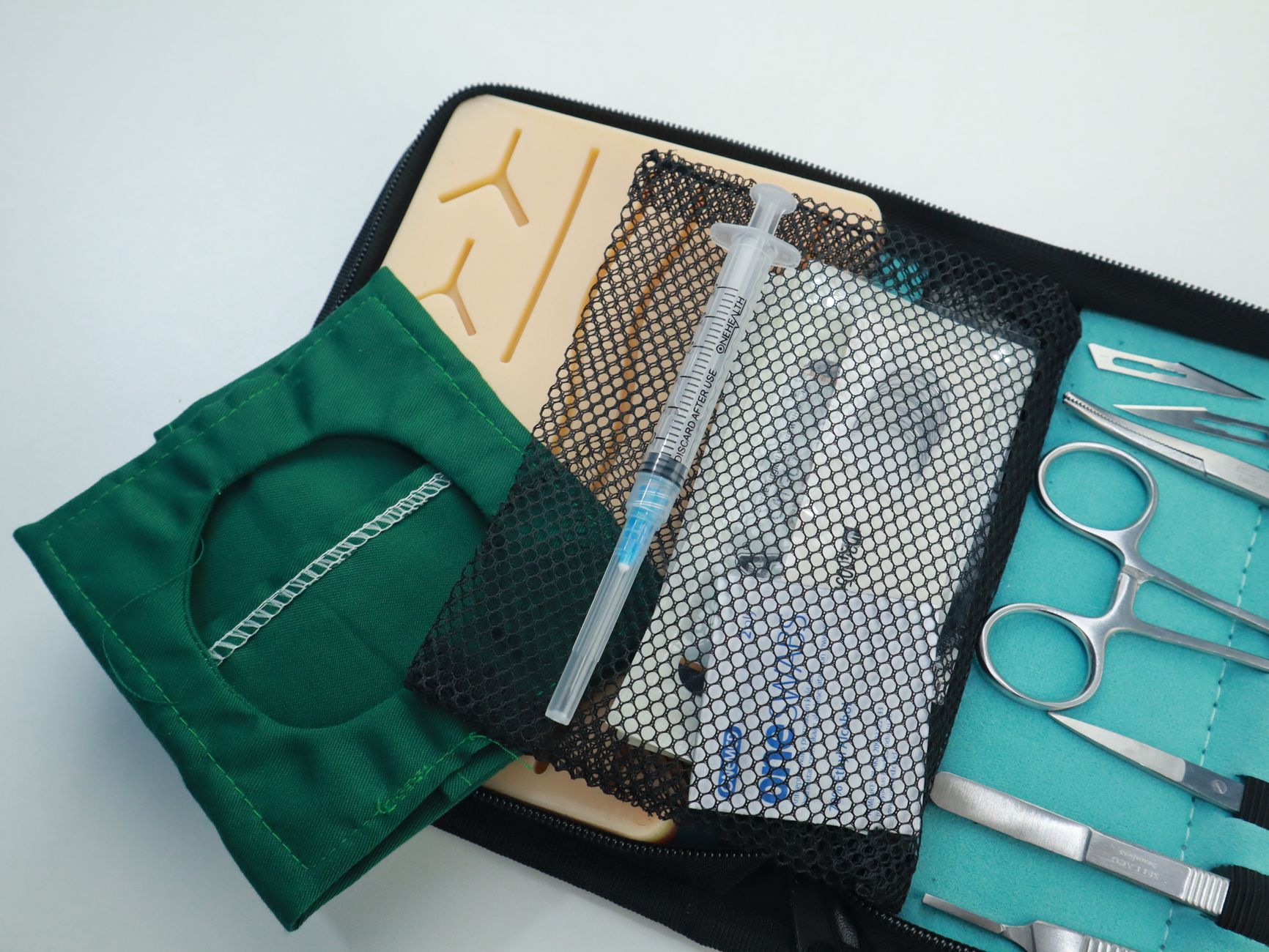
Explore how surgical education has evolved beyond the OR with simulation, virtual training, and innovative methods enhancing resident learning.
# Why the Operating Room Is No Longer the Only Place to Learn Surgery
Surgical education has traditionally been synonymous with hands-on experience in the operating room (OR). For decades, residents have honed their skills by observing and assisting in live surgeries under the supervision of experienced surgeons. While this approach remains fundamental, the landscape of surgical training has transformed dramatically. Today, the OR is no longer the sole environment where surgical skills are developed.
The Limitations of Traditional OR-Based Training
Despite its importance, learning exclusively in the OR presents several challenges:
- Patient Safety Concerns: Trainees practicing new techniques on live patients carry inherent risks.
- Limited Case Exposure: Residents may not encounter a broad spectrum of procedures during their rotations.
- Time Constraints: Increasing OR efficiency pressures limit teaching opportunities.
- Variable Supervision: Quality of mentorship can vary depending on attending surgeons’ availability.
These limitations have prompted educators to seek complementary training methods that ensure skill acquisition without compromising patient care.
Simulation-Based Surgical Training
Simulation has emerged as a cornerstone of modern surgical education. It offers a controlled, risk-free environment where learners can practice and refine their skills.
### Types of Surgical Simulators
- Low-Fidelity Models: Basic anatomical models or bench-top trainers for practicing suturing and knot-tying.
- High-Fidelity Virtual Reality (VR) Simulators: Immersive systems replicating complex procedures with haptic feedback.
- Augmented Reality (AR) Platforms: Overlaying digital information on physical models to enhance learning.
### Benefits of Simulation
- Repetition and Mastery: Trainees can repeat procedures until proficiency is achieved.
- Immediate Feedback: Many simulators provide performance metrics to guide improvement.
- Standardized Training: Ensures consistent educational experiences across institutions.
- Enhanced Confidence: Practice in a no-risk setting builds readiness for real surgeries.
Virtual and Online Learning Platforms
The rise of digital technology has expanded access to surgical education beyond physical locations.
- Video Libraries: High-quality surgical videos demonstrate techniques and decision-making.
- Interactive Modules: Case-based learning with quizzes and scenario simulations.
- Live Webinars and Workshops: Opportunities to engage with experts worldwide.
These resources supplement hands-on training and facilitate continuous learning.
Cadaveric and Animal Labs
Although less common than simulation, cadaveric dissection and animal labs remain valuable for understanding anatomy and practicing surgical approaches.
- Anatomical Realism: Provides tactile feedback and spatial orientation.
- Ethical Considerations: Requires adherence to strict protocols and ethical standards.
Team-Based and Interprofessional Training
Modern surgical care is multidisciplinary. Training outside the OR often includes:
- Crisis Resource Management (CRM): Simulations focusing on communication and decision-making during emergencies.
- Interprofessional Scenarios: Collaborative exercises with anesthesiologists, nurses, and other team members.
These experiences prepare residents for the complexities of real-world surgical practice.
Assessment and Competency-Based Education
Moving beyond time-based training, competency-based education emphasizes demonstrated skills and knowledge.
- Objective Structured Assessment of Technical Skills (OSATS): Standardized evaluations using simulation.
- Milestone Tracking: Monitoring progression through defined competencies.
Such frameworks rely heavily on training outside the OR to ensure readiness.
The Future of Surgical Education
The integration of diverse training modalities is reshaping surgical education:
- Blended Learning: Combining simulation, online resources, and clinical experience.
- Personalized Training Paths: Tailoring education to individual learner needs.
- Continuous Skill Maintenance: Opportunities for practicing rare procedures regularly.
Conclusion
While the operating room remains an essential environment for surgical training, it is no longer the sole venue for learning. Simulation, virtual platforms, cadaveric labs, and team-based exercises complement traditional methods, enhancing resident education, improving patient safety, and ensuring the development of competent surgeons prepared for the demands of modern healthcare.
---
Key Takeaways:
- Traditional OR training has limitations related to safety, case exposure, and supervision.
- Simulation offers a safe, repeatable environment to develop surgical skills.
- Digital and virtual resources expand access to surgical education.
- Interprofessional and team-based training improve communication and crisis management.
- Competency-based assessments rely on diverse training methods.
- The future of surgical education is blended, personalized, and continuous.