Why Teaching Hospitals Are Investing in Surgical Simulation
Discover why teaching hospitals prioritize surgical simulation to enhance resident training, improve patient safety, and advance surgical skills.
# Why Teaching Hospitals Are Investing in Surgical Simulation
Surgical education has evolved significantly over the past decades, with teaching hospitals at the forefront of integrating innovative training methodologies. One of the most transformative advancements in surgical education is the widespread adoption of surgical simulation. This technology offers a controlled, risk-free environment for residents to hone their skills before operating on patients.
The Growing Importance of Surgical Simulation
Teaching hospitals face the dual challenge of providing high-quality patient care while ensuring that surgical residents gain adequate hands-on experience. Traditional apprenticeship models, where residents learn primarily through observation and supervised practice, have limitations:
- Patient safety concerns: Early learning on live patients carries inherent risks.
- Limited case variety: Residents may not encounter a broad spectrum of surgical scenarios.
- Time constraints: Operating room time is precious and often limited.
Surgical simulation addresses these challenges by offering realistic, repeatable practice opportunities without compromising patient safety.
Key Reasons for Investment in Surgical Simulation
### 1. Enhancing Resident Competency and Confidence
Simulation allows residents to practice complex procedures repeatedly, leading to improved technical skills and decision-making. This hands-on experience builds confidence, which is crucial when transitioning to real-world surgeries.
### 2. Improving Patient Safety and Outcomes
By allowing residents to refine their skills in a risk-free environment, surgical simulation reduces the likelihood of errors during actual surgeries. This leads to better patient outcomes and fewer complications.
### 3. Standardizing Surgical Training
Simulation provides a consistent platform for evaluating resident skills objectively. Teaching hospitals can implement standardized assessments to ensure all trainees meet competency benchmarks before progressing.
### 4. Expanding Exposure to Rare and Complex Cases
Some surgical cases occur infrequently, limiting resident exposure. Simulation can recreate these rare scenarios, ensuring residents gain experience managing diverse and challenging situations.
### 5. Facilitating Interdisciplinary Team Training
Modern surgical care involves collaboration among surgeons, anesthesiologists, nurses, and other staff. Simulation enables team-based training to improve communication, coordination, and crisis management.
### 6. Adapting to Technological Advances
As surgical techniques evolve with minimally invasive and robotic approaches, simulation provides an ideal platform for residents to familiarize themselves with new technologies and instruments.
Types of Surgical Simulation Used in Teaching Hospitals
Teaching hospitals employ various simulation modalities to create comprehensive training programs:
- Virtual Reality (VR) Simulators: Provide immersive, computer-generated environments for practicing surgical procedures.
- Augmented Reality (AR) Simulators: Overlay digital information on physical models to enhance learning.
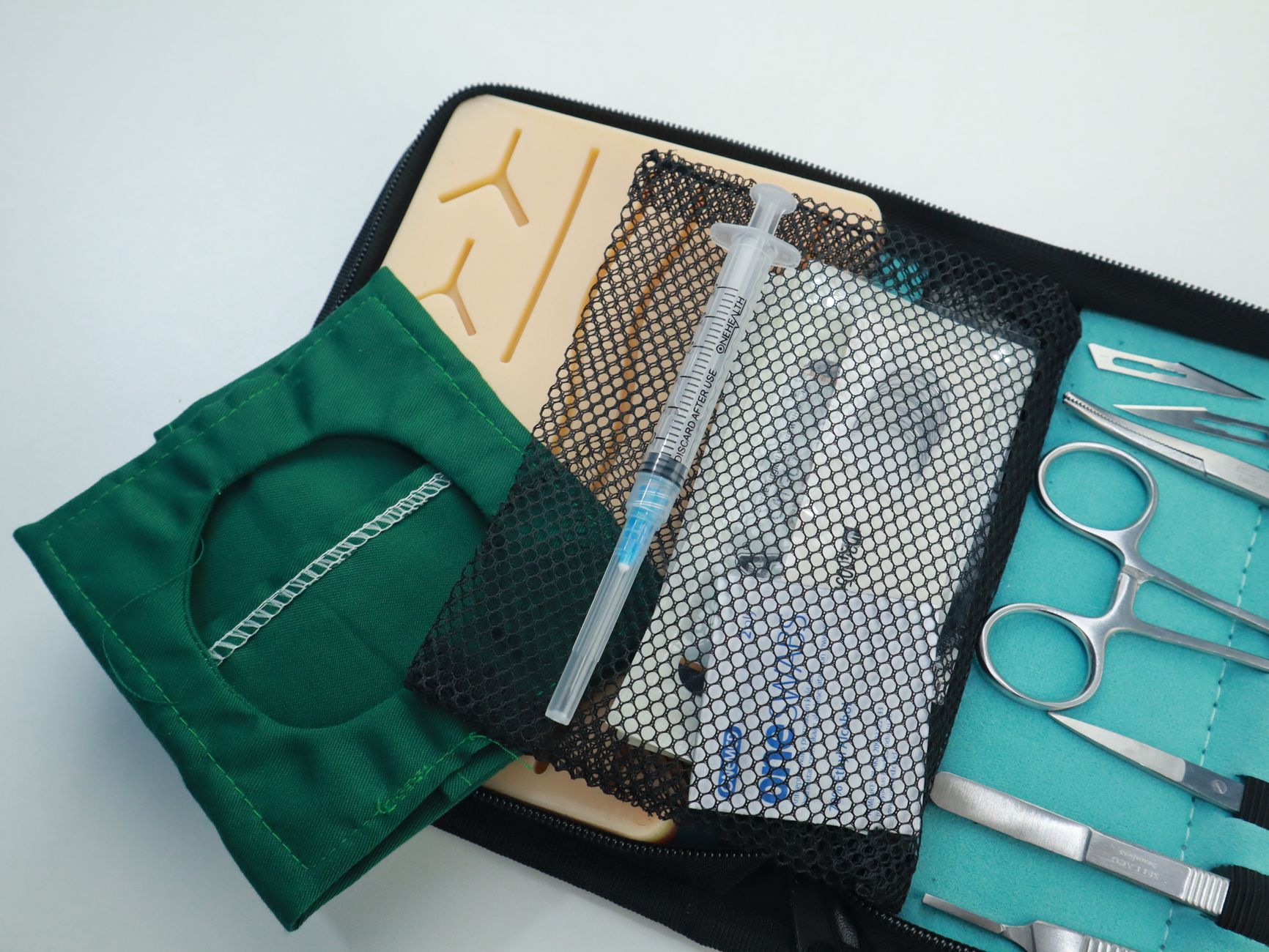
- Physical Models and Cadaver Labs: Offer tactile experience with anatomy and surgical techniques.
- High-Fidelity Mannequins: Simulate physiological responses for team-based and emergency scenario training.
Implementing Surgical Simulation in Residency Programs
Successful integration of simulation requires thoughtful planning:
- Curriculum Development: Align simulation exercises with learning objectives and clinical milestones.
- Faculty Training: Equip educators with skills to facilitate simulation sessions and provide constructive feedback.
- Assessment Tools: Utilize validated metrics to evaluate resident performance and progress.
- Scheduling and Resources: Ensure adequate access to simulation facilities and time allocation within residency schedules.
Challenges and Considerations
While surgical simulation offers numerous benefits, teaching hospitals must address certain challenges:
- Cost: High-fidelity simulators and dedicated facilities require significant investment.
- Technological Updates: Keeping simulation equipment current with surgical advancements demands ongoing funding.
- Integration: Balancing simulation with clinical duties to avoid resident overload.
Despite these challenges, the long-term benefits in training quality and patient safety justify the investment.
Future Directions
The role of surgical simulation is expected to expand with innovations such as:
- Enhanced haptic feedback for more realistic tactile sensations.
- Advanced analytics for personalized skill development.
- Remote simulation training to broaden access.
Teaching hospitals that continue to invest in and innovate surgical simulation will lead the way in preparing the next generation of skilled, confident surgeons.
---
Surgical simulation represents a critical advancement in surgical education, enabling teaching hospitals to improve resident training, enhance patient safety, and adapt to evolving surgical technologies. Its integration into residency programs marks a significant step toward excellence in surgical care.