Why Surgeons Should Practice Complications in Simulation
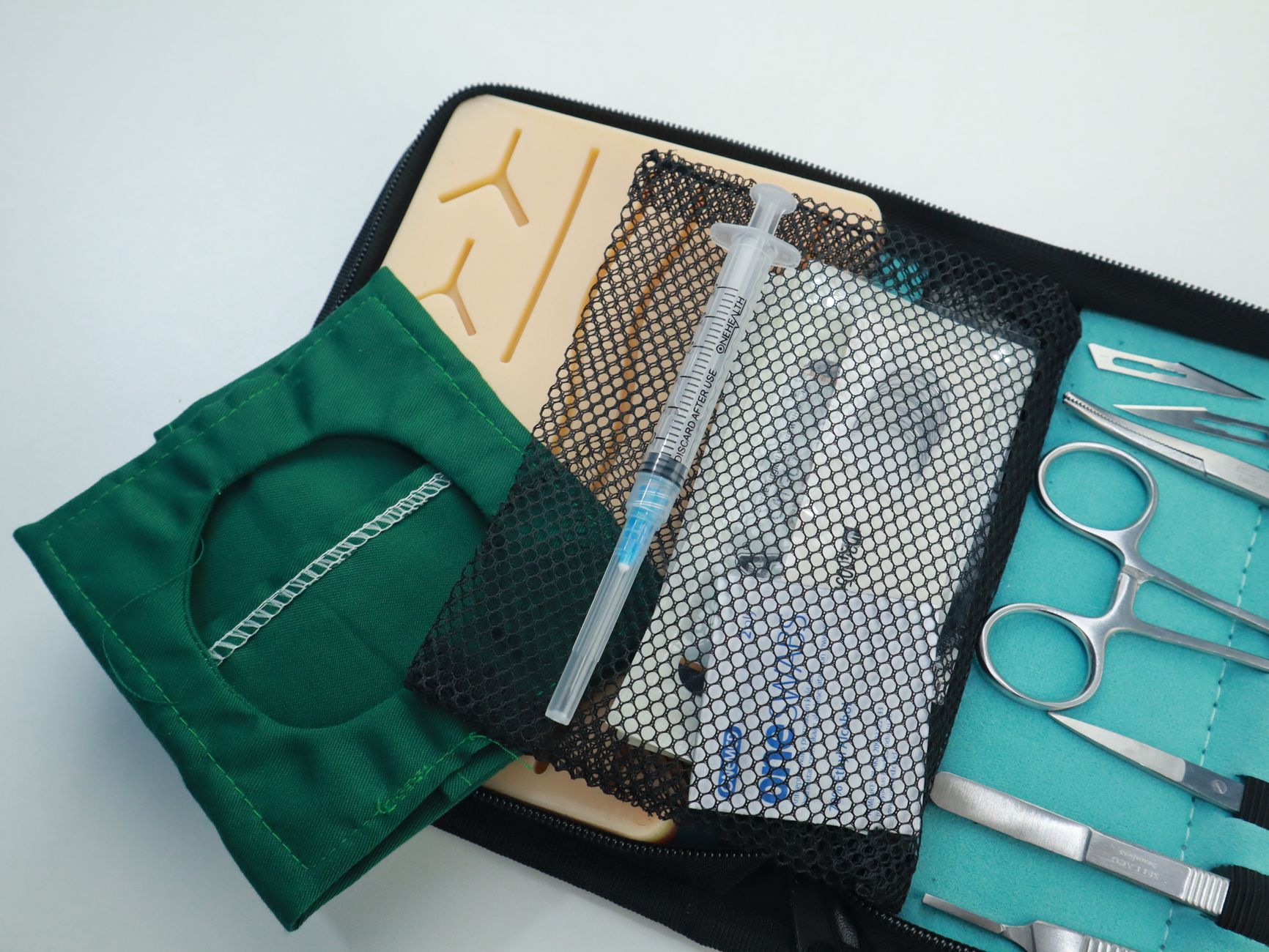
Discover why practicing surgical complications in simulation enhances skills, improves patient safety, and prepares surgeons for real-life challenges.
# Why Surgeons Should Practice Complications in Simulation
Surgical complications are an inherent risk in operative procedures, even for the most skilled surgeons. While technical proficiency is critical, the ability to recognize, manage, and recover from complications is equally vital. Simulation-based training offers a controlled, risk-free environment where surgeons can practice handling these challenging scenarios effectively.
The Importance of Practicing Complications
### Enhancing Technical and Non-Technical Skills Surgical complications often require rapid decision-making, problem-solving, and effective communication. Simulation allows surgeons to:
- Hone technical skills in managing unexpected events such as bleeding, organ injury, or equipment failure.
- Develop crisis resource management skills including teamwork, leadership, and communication.
- Build confidence in handling rare but critical complications.
### Improving Patient Safety By practicing complications in simulation, surgeons can reduce the incidence of adverse events in real surgeries. Simulation training helps in:
- Early recognition of complications to initiate timely interventions.
- Refining techniques to minimize harm during complication management.
- Reducing errors and improving overall surgical outcomes.
### Preparing for Rare and Complex Scenarios Some complications occur infrequently but have high morbidity and mortality. Simulation provides exposure to these rare events, such as:
- Vascular injuries during minimally invasive procedures.
- Anaphylactic reactions to anesthesia.
- Unexpected airway emergencies.
This exposure ensures surgeons are better prepared when such situations arise.
Benefits of Simulation-Based Complication Training
### Safe Learning Environment Surgeons can make mistakes without risking patient safety, allowing for:
- Repetitive practice until mastery is achieved.
- Immediate feedback and debriefing to reinforce learning.
### Standardized Training Simulation offers consistent scenarios that can be tailored to individual or team needs, ensuring:
- Uniform competency across trainees.
- Objective assessment of skills.
### Multidisciplinary Team Training Complication management often involves multiple healthcare professionals. Simulation enables:
- Interprofessional collaboration and communication practice.
- Coordination of roles during emergencies.
Implementing Complication Scenarios in Surgical Training
### Designing Realistic Scenarios Effective simulation scenarios should:
- Reflect common and rare complications relevant to the surgeon’s specialty.
- Include realistic patient data and physiological responses.
- Incorporate decision points requiring critical thinking.
### Debriefing and Feedback Post-simulation debriefing is crucial for learning:
- Discuss what went well and areas for improvement.
- Analyze decision-making processes and teamwork.
- Reinforce best practices and guidelines.
### Integration into Curriculum Simulation for complications should be:
- Regularly scheduled within surgical training programs.
- Used to assess readiness for independent practice.
- Combined with didactic learning and clinical experience.
Challenges and Considerations
- Resource Intensive: High-fidelity simulators and trained facilitators require investment.
- Scenario Fidelity: Ensuring scenarios are realistic enough to engage learners.
- Assessment Metrics: Developing valid tools to measure performance during complications.
Despite these challenges, the benefits for patient safety and surgeon preparedness justify the integration of complication simulation into training.
Conclusion
Practicing complications in surgical simulation is an essential component of modern surgical education. It equips surgeons with the skills and confidence to manage unexpected events, enhances patient safety, and fosters a culture of continuous learning. Incorporating complication scenarios into simulation training prepares surgeons to face real-life challenges with competence and composure.
---
Key Takeaways:
- Simulation provides a safe environment to practice managing surgical complications.
- It improves technical skills, decision-making, and teamwork.
- Exposure to rare complications prepares surgeons for diverse clinical situations.
- Regular simulation training enhances patient safety and surgical outcomes.
Surgeons and training programs should prioritize complication-based simulation to advance surgical care quality and safety.