Why Surgeons Need Simulation Before Operating on Real Patients
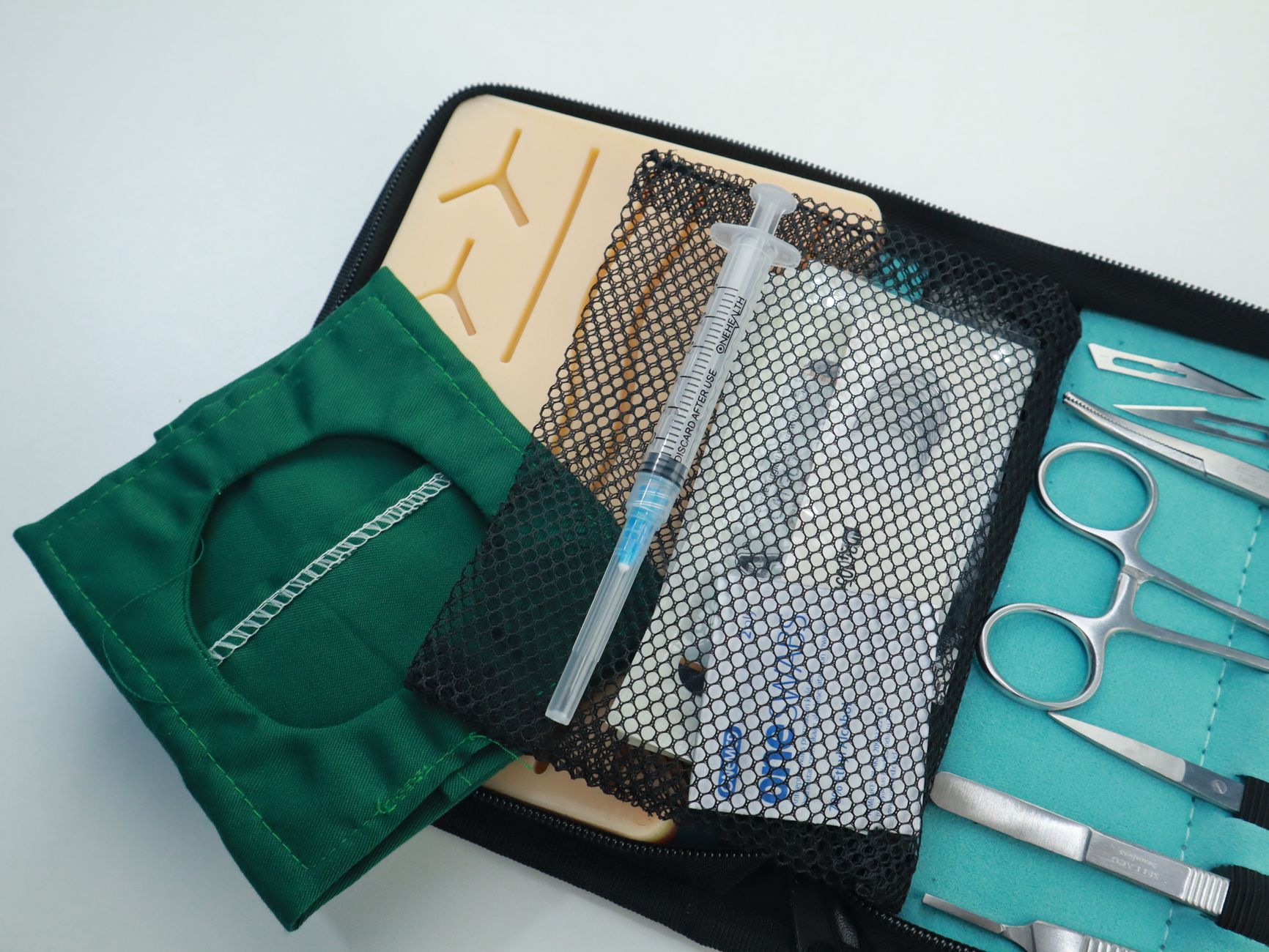
Discover the critical role of surgical simulation in enhancing skills, improving patient safety, and boosting surgeon confidence before real operations.
# Why Surgeons Need Simulation Before Operating on Real Patients
Surgical simulation has become an indispensable component of modern surgical education and training. Before a surgeon performs an operation on a real patient, simulation-based practice offers a safe, controlled environment to develop and refine essential skills. This article explores why surgical simulation is critical for improving outcomes, enhancing surgeon competence, and ultimately ensuring patient safety.
Enhancing Surgical Skills Through Practice
Surgery demands precision, dexterity, and decision-making under pressure. Simulation allows surgeons to repeatedly practice complex procedures without risk to patients. Key benefits include:
- Repetition and Mastery: Surgeons can perform procedures multiple times, reinforcing muscle memory and technical skills.
- Exposure to Rare Scenarios: Simulators can replicate uncommon or high-risk cases that surgeons might not frequently encounter.
- Immediate Feedback: Many simulation platforms provide real-time performance metrics and expert feedback, facilitating rapid skill improvement.
Improving Patient Safety and Outcomes
Patient safety is the paramount concern in surgical practice. Simulation training directly contributes to safer surgeries by:
- Reducing Errors: Practicing on simulators helps identify and correct mistakes before operating on patients.
- Enhancing Team Coordination: Simulation often involves multidisciplinary teams, improving communication and collaboration in the operating room.
- Standardizing Procedures: Simulation promotes adherence to best practices and protocols, reducing variability in surgical care.
Building Surgeon Confidence and Reducing Stress
Operating on real patients can be stressful, especially for less experienced surgeons. Simulation helps by:
- Boosting Confidence: Familiarity with procedures through simulation reduces anxiety and hesitation.
- Allowing Safe Mistakes: Surgeons can learn from errors in a no-risk environment, building resilience and problem-solving skills.
- Preparing for Emergencies: Simulated crisis scenarios train surgeons to respond calmly and effectively under pressure.
Advancing Surgical Education and Assessment
Simulation is transforming how surgical competence is taught and evaluated:
- Objective Skill Assessment: Simulation provides measurable data on technical performance, enabling objective evaluations.
- Customized Learning Paths: Training can be tailored to individual needs, focusing on areas requiring improvement.
- Credentialing and Certification: Many institutions incorporate simulation-based assessments into credentialing processes.
Types of Surgical Simulation
Various simulation modalities are available, each with unique advantages:
- Virtual Reality (VR) Simulators: Immersive environments that replicate anatomy and procedures.
- Physical Models and Cadaver Labs: Hands-on practice with realistic tissues and instruments.
- Augmented Reality (AR) Tools: Overlay digital information on real-world views for enhanced learning.
- Task Trainers: Devices focusing on specific skills like suturing or laparoscopic manipulation.
Challenges and Future Directions
While simulation offers many benefits, challenges remain:
- Cost and Accessibility: High-fidelity simulators can be expensive and resource-intensive.
- Integration into Curriculum: Ensuring simulation complements clinical experience effectively.
- Technological Limitations: Continual improvement needed for realism and feedback accuracy.
Future advancements promise even more effective training tools, including enhanced haptics, AI-driven feedback, and remote simulation capabilities.
Conclusion
Surgical simulation is a vital step before operating on real patients. It enhances technical skills, improves patient safety, builds surgeon confidence, and advances surgical education. As technology evolves, simulation will continue to play a central role in preparing surgeons to deliver the highest quality care.
---
Key Takeaways:
- Simulation enables risk-free practice and skill refinement.
- It reduces surgical errors and improves patient outcomes.
- Simulation builds confidence and prepares surgeons for emergencies.
- Various simulation types cater to different training needs.
- Ongoing innovation is expanding simulation’s role in surgical education.
Embracing surgical simulation is essential for all surgeons committed to excellence and patient safety.