Why Medical Students Should Practice Surgical Skills Before Residency
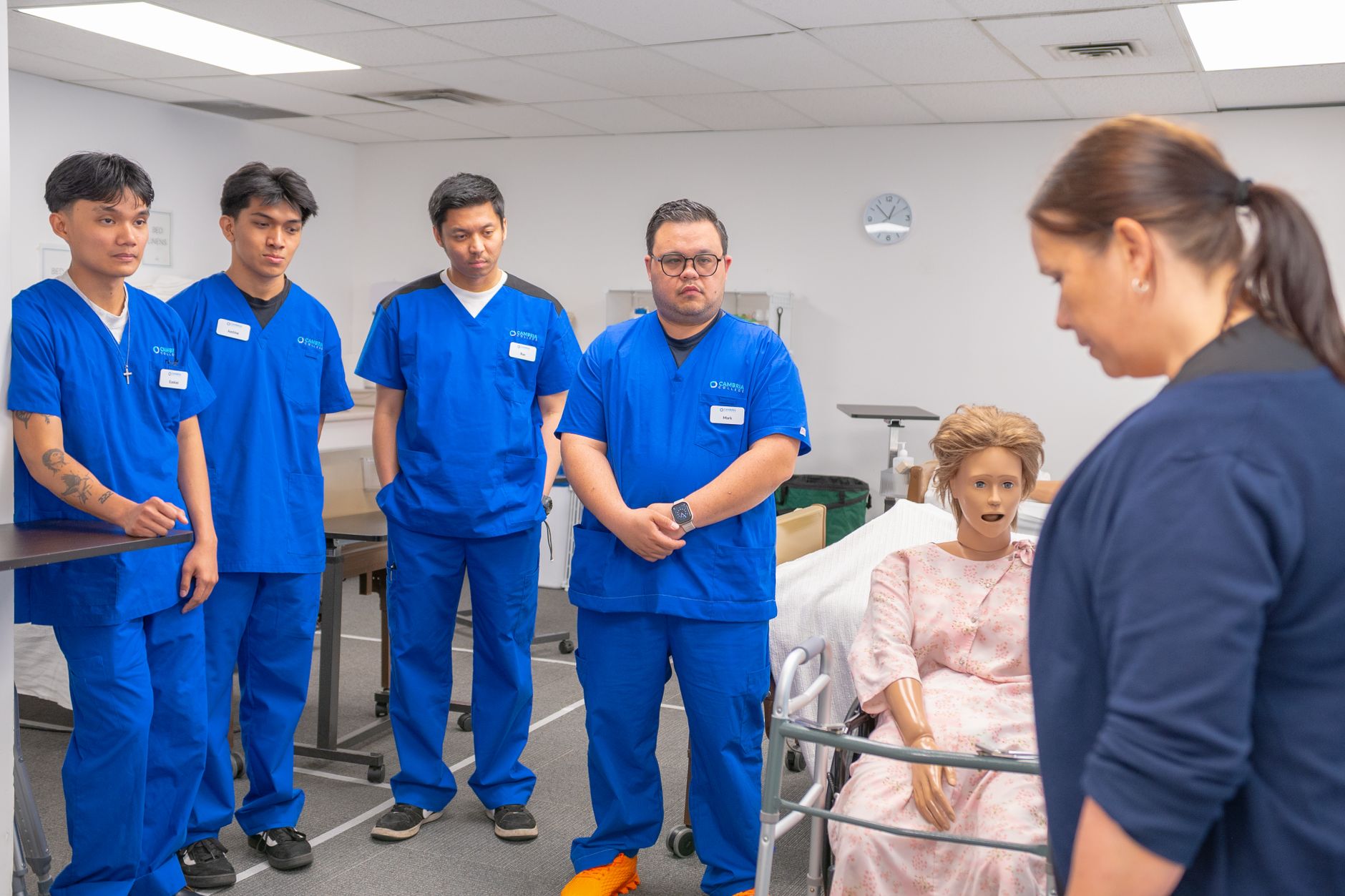
Mastering surgical skills before residency boosts confidence, competence, and patient safety for aspiring surgeons.
# Why Medical Students Should Practice Surgical Skills Before Residency
Surgical residency is a demanding phase in medical training, requiring not only theoretical knowledge but also proficient hands-on skills. For medical students aiming to excel in their surgical careers, practicing surgical skills before residency offers significant advantages. This article explores the importance of early surgical skill development and how it benefits students as they transition into residency.
The Importance of Early Surgical Skills Practice
### Building Confidence
Entering residency with basic surgical skills reduces anxiety and builds confidence. Students who have practiced suturing, knot tying, and instrument handling are more comfortable in the operating room (OR) environment.
### Enhancing Technical Competence
Early practice allows students to refine their dexterity and hand-eye coordination. This foundation helps them perform procedures more efficiently and with greater precision during residency.
### Improving Patient Safety
Residents with prior surgical skills training are less likely to commit technical errors, contributing to better patient outcomes. Early skill acquisition promotes safer surgical practices.
Key Surgical Skills to Practice Before Residency
- Basic Suturing Techniques: Interrupted, continuous, and subcuticular sutures.
- Knot Tying: One-handed and two-handed knots.
- Instrument Handling: Proper use of forceps, needle holders, and scissors.
- Tissue Handling: Gentle manipulation to minimize trauma.
- Sterile Technique: Maintaining asepsis during procedures.
Methods for Practicing Surgical Skills
### Simulation Labs
Many medical schools offer simulation centers equipped with synthetic models and virtual reality tools that mimic real surgical scenarios.
### Surgical Skills Workshops
Workshops provide hands-on training under expert supervision, allowing students to receive immediate feedback and improve their techniques.
### Online Surgical Training Platforms
Digital platforms offer video tutorials, step-by-step guides, and interactive modules that students can access anytime.
### Peer Practice Sessions
Practicing with classmates encourages collaborative learning and skill refinement.
Benefits During Residency
- Reduced Learning Curve: Familiarity with surgical instruments and techniques accelerates skill acquisition.
- Increased Responsibility: Confident residents can take on more complex tasks earlier.
- Better Evaluation Outcomes: Demonstrated competence can lead to favorable assessments.
- Enhanced Team Communication: Understanding OR protocols improves collaboration with surgical teams.
Tips for Effective Surgical Skills Practice
- Set Clear Goals: Focus on mastering specific skills sequentially.
- Practice Regularly: Consistency is key to retaining and improving skills.
- Seek Feedback: Constructive criticism helps identify areas for improvement.
- Simulate Realistic Scenarios: Replicate OR conditions to enhance preparedness.
- Reflect on Performance: Self-assessment encourages continuous learning.
Conclusion
Practicing surgical skills before residency is a strategic investment in a medical student's future. It fosters confidence, technical proficiency, and patient safety, ultimately shaping competent and effective surgeons. Medical students are encouraged to take advantage of available resources and dedicate time to skill development to ensure a smoother transition into the demanding world of surgical residency.