What Is an AI Surgical Mentor? Enhancing Surgical Training with Intelligent Guidance
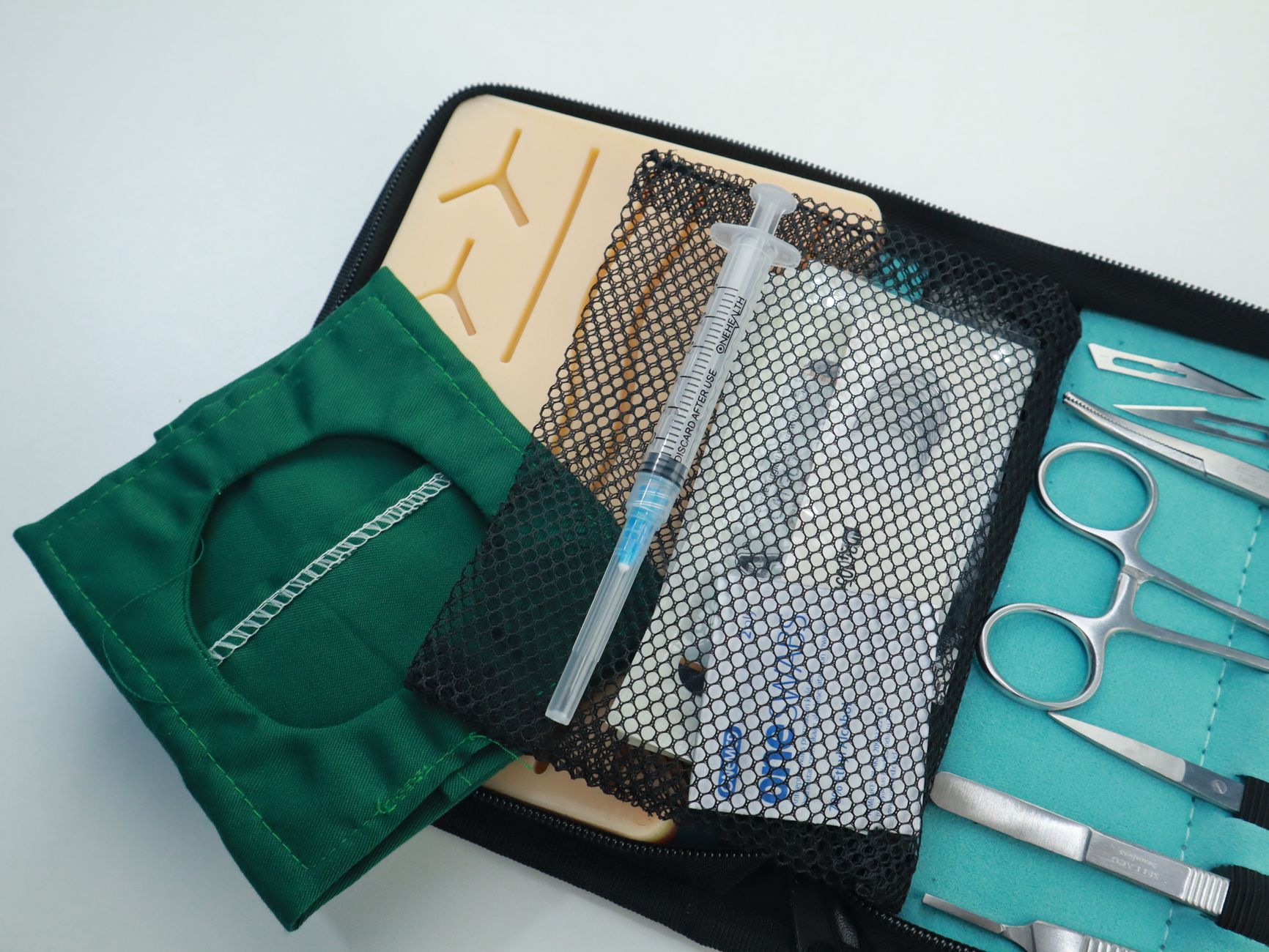
Discover how an AI surgical mentor revolutionizes surgical training by providing personalized guidance, real-time feedback, and skill assessment.
# What Is an AI Surgical Mentor? Enhancing Surgical Training with Intelligent Guidance
Surgical education has always been a demanding and intricate process, requiring years of practice, mentorship, and hands-on experience. In recent years, technological advancements have introduced innovative tools that support surgical trainees in acquiring and refining their skills more efficiently. One such innovation is the AI surgical mentor—a digital platform designed to guide, assess, and enhance surgical training through intelligent algorithms and data-driven feedback.
Understanding the Concept of a Surgical Mentor
Traditionally, surgical mentors are experienced surgeons who provide guidance, supervision, and feedback to residents and fellows during their training. They play a critical role in shaping surgical skills, decision-making, and professional development. However, limitations such as availability, subjective evaluation, and variability in teaching styles can impact the consistency and quality of mentorship.
An AI surgical mentor aims to complement human mentorship by offering objective, consistent, and accessible support throughout the learning process.
Core Features of an AI Surgical Mentor
An AI surgical mentor typically integrates several technological components to simulate the mentorship experience:
- Real-Time Performance Feedback: By analyzing surgical simulations or recorded procedures, the system provides immediate insights on technique, precision, and efficiency.
- Personalized Learning Plans: It adapts training modules based on the learner’s strengths and weaknesses, promoting targeted skill development.
- Skill Assessment and Benchmarking: Using validated metrics, the mentor evaluates proficiency levels and tracks progress over time.
- Error Detection and Correction Suggestions: The system identifies common mistakes and recommends corrective actions to prevent bad habits.
- Virtual Coaching and Tutorials: Interactive modules and video demonstrations help reinforce best practices and procedural knowledge.
How Does an AI Surgical Mentor Work?
The AI surgical mentor operates through a combination of data collection, machine learning algorithms, and user interaction:
1. Data Acquisition: The system collects data from surgical simulators, video recordings, or sensor-equipped instruments during practice sessions.
2. Analysis: Advanced algorithms analyze motion patterns, instrument handling, timing, and procedural steps.
3. Feedback Generation: Based on the analysis, the mentor provides detailed feedback highlighting areas for improvement.
4. Adaptive Learning: The platform adjusts the difficulty and focus of training exercises to match the learner’s evolving needs.
5. Progress Tracking: It maintains a comprehensive record of performance metrics to monitor growth and readiness for clinical practice.
Benefits of Using an AI Surgical Mentor in Training
Incorporating an AI surgical mentor into residency programs and surgical education offers multiple advantages:
- Objective Evaluation: Reduces subjectivity inherent in human assessments, ensuring fair and consistent feedback.
- Accessibility: Provides mentorship support anytime and anywhere, overcoming limitations of mentor availability.
- Enhanced Skill Acquisition: Personalized feedback accelerates learning curves and skill retention.
- Error Reduction: Early identification of mistakes helps prevent their repetition in real surgeries.
- Data-Driven Decisions: Facilitates evidence-based assessment of trainee readiness for independent practice.
- Standardization: Promotes uniform training standards across institutions.
Practical Applications and Use Cases
- Simulation-Based Training: Integration with virtual reality (VR) and augmented reality (AR) simulators to guide surgical scenarios.
- Video Review Platforms: Automated analysis of recorded surgeries for post-procedure learning.
- Competency Assessment Tools: Objective measurement of technical skills during exams or evaluations.
- Continuous Professional Development: Support for practicing surgeons seeking to refine techniques or learn new procedures.
Challenges and Considerations
While AI surgical mentors offer promising benefits, several challenges must be addressed:
- Data Privacy and Security: Ensuring patient confidentiality when using recorded surgical data.
- Algorithm Transparency: Understanding how feedback is generated to maintain trust.
- Integration with Existing Curricula: Aligning AI tools with established training frameworks.
- Technical Limitations: Handling diverse surgical procedures and complex scenarios.
- Human Oversight: Maintaining the essential role of experienced surgeons in mentorship.
The Future of Surgical Education
The integration of intelligent mentorship systems represents a significant step toward modernizing surgical education. By combining the expertise of seasoned surgeons with the precision and scalability of technology, training programs can enhance learning outcomes and ultimately improve patient care.
Residency programs and surgical educators are encouraged to explore these tools as complementary resources that support, rather than replace, traditional mentorship.
---
Summary: An AI surgical mentor is a technology-driven platform that provides personalized, objective, and real-time guidance to surgical trainees. It enhances skill development through performance analysis, adaptive learning, and continuous feedback, addressing limitations of traditional mentorship and paving the way for more effective surgical education.