Training Surgeons for Surgical Complications Before They Happen
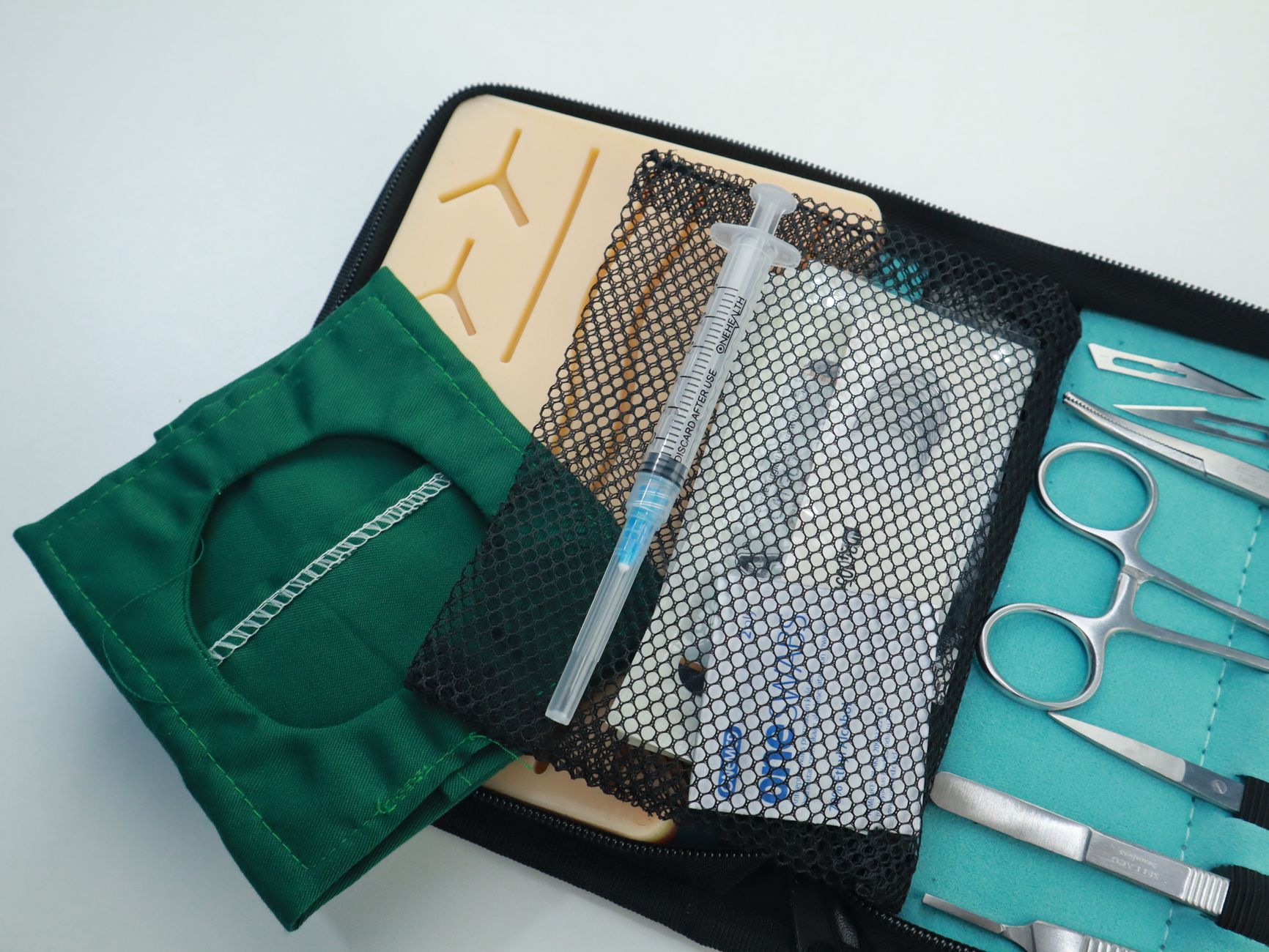
Explore how surgical simulation and proactive training prepare surgeons to manage complications effectively before they arise in the operating room.
# Training Surgeons for Surgical Complications Before They Happen
Surgical complications remain a significant challenge in operative care, impacting patient outcomes and healthcare costs. Preparing surgeons to anticipate and manage these complications is critical to improving surgical safety and efficacy. This article explores how modern training methods, particularly simulation-based education, equip surgeons with the skills and confidence to handle complications before they occur.
Understanding Surgical Complications
Surgical complications can range from minor issues like wound infections to severe events such as hemorrhage or organ injury. These complications may arise due to patient factors, surgical technique, or unforeseen intraoperative events. Early recognition and prompt management are essential to minimize morbidity and mortality.
### Common Types of Surgical Complications
- Hemorrhage and bleeding
- Infection and sepsis
- Organ or tissue injury
- Anesthetic complications
- Thromboembolic events
The Importance of Proactive Training
Traditional surgical education often relies on apprenticeship models, where residents learn by observing and participating in live surgeries. While valuable, this approach may not expose trainees to rare or complex complications frequently enough to build confidence in managing them.
Proactive training focuses on preparing surgeons to anticipate potential complications and practice responses in a controlled environment. This approach enhances decision-making, technical skills, and teamwork under pressure.
Simulation-Based Surgical Training
Simulation has emerged as a cornerstone in surgical education for complication management. It offers a risk-free platform where trainees can practice procedures, recognize early signs of complications, and execute appropriate interventions.
### Types of Surgical Simulations
- Virtual Reality (VR) Simulators: Provide immersive, interactive environments replicating surgical anatomy and scenarios.
- High-Fidelity Mannequins: Allow practice of procedural skills and crisis resource management.
- Task Trainers: Focus on specific skills such as suturing or vascular access.
- Team-Based Simulations: Emphasize communication and coordination during surgical emergencies.
### Benefits of Simulation Training
- Enhances technical proficiency and muscle memory.
- Improves recognition of early complication signs.
- Builds confidence in managing intraoperative crises.
- Facilitates interdisciplinary teamwork and communication.
- Allows repetitive practice without patient risk.
Integrating Complication Scenarios into Curriculum
Incorporating complication-focused scenarios into surgical training curricula ensures that residents gain exposure to a broad spectrum of possible events. Examples include:
- Managing unexpected bleeding during laparoscopic procedures.
- Recognizing and treating anaphylaxis in the operating room.
- Handling equipment failure or malfunction.
Structured debriefings following simulations help identify knowledge gaps and reinforce best practices.
Role of Non-Technical Skills
Effective management of surgical complications requires more than technical expertise. Non-technical skills such as situational awareness, communication, leadership, and decision-making are critical.
Simulation training often includes:
- Crisis resource management drills.
- Team communication exercises.
- Stress inoculation training.
These elements prepare surgeons to maintain composure and lead teams effectively during high-stress situations.
Measuring Training Effectiveness
Assessment tools help evaluate trainee performance and the impact of simulation training on complication management skills. These include:
- Objective Structured Assessment of Technical Skills (OSATS)
- Global Rating Scales
- Checklists for procedural steps and crisis management
Regular feedback and performance tracking guide continuous improvement.
Future Directions in Surgical Complication Training
Ongoing advancements aim to enhance realism and educational value, such as:
- Incorporation of patient-specific anatomy using 3D imaging.
- Development of complex, multi-complication scenarios.
- Integration of interprofessional education involving anesthesiologists, nurses, and surgical techs.
Conclusion
Preparing surgeons to manage surgical complications before they happen is essential for patient safety and surgical success. Simulation-based training, combined with a focus on both technical and non-technical skills, offers a comprehensive approach to equip surgeons with the necessary expertise. As surgical education evolves, embracing proactive complication management training will continue to improve outcomes and foster surgical excellence.