The Role of AI Mentors in Residency Education
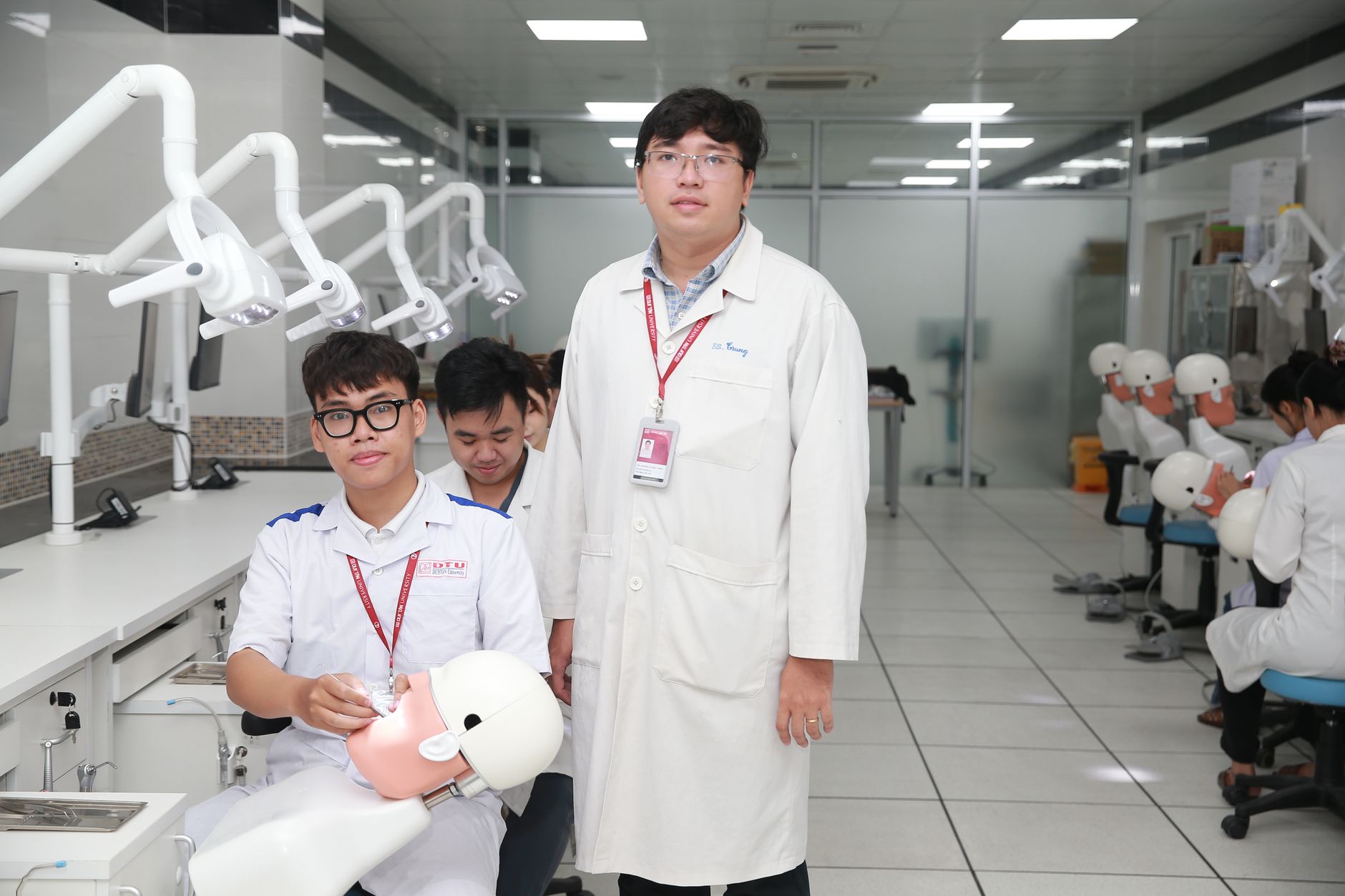
Explore how AI mentors enhance residency education by providing personalized guidance, real-time feedback, and continuous learning opportunities.
# The Role of AI Mentors in Residency Education
Residency education is a critical phase in the development of competent physicians. It involves rigorous clinical training, decision-making under pressure, and continuous learning. Traditionally, residents rely heavily on attending physicians and senior residents for mentorship. However, the integration of advanced digital tools has introduced new opportunities to supplement traditional mentorship. Among these innovations, AI mentors have emerged as transformative educational aids.
What Are AI Mentors?
AI mentors are intelligent software systems designed to support medical trainees by providing personalized guidance, feedback, and educational resources. They leverage vast clinical datasets, evidence-based guidelines, and natural language processing to interact with residents in a meaningful way.
Enhancing Personalized Learning
One of the main advantages of AI mentors is their ability to tailor educational content to each resident's unique learning needs. Unlike one-size-fits-all approaches, AI systems can:
- Analyze individual performance data
- Identify knowledge gaps
- Recommend targeted learning modules
- Adjust difficulty levels based on progress
This personalized approach helps residents focus their efforts efficiently and accelerates competency development.
Real-Time Clinical Decision Support
Residency often involves rapid decision-making in complex clinical scenarios. AI mentors can provide real-time support by:
- Offering evidence-based recommendations
- Highlighting relevant clinical guidelines
- Suggesting differential diagnoses
- Alerting to potential medication interactions or contraindications
Such support enhances patient safety and reinforces clinical reasoning skills.
Continuous Feedback and Assessment
Timely feedback is essential for skill acquisition. AI mentors can deliver continuous, objective assessments by:
- Monitoring procedural skills through simulation data
- Evaluating diagnostic accuracy
- Tracking adherence to protocols
- Providing constructive feedback instantly
This ongoing assessment complements faculty evaluations and helps residents self-correct promptly.
Facilitating Reflective Practice
Reflective practice is vital for professional growth. AI mentors encourage reflection by prompting residents to:
- Document clinical encounters
- Analyze decision-making processes
- Consider alternative approaches
- Set learning goals
This structured reflection fosters deeper understanding and lifelong learning habits.
Supporting Work-Life Balance
Residency can be demanding, often leading to burnout. AI mentors can aid in managing workload by:
- Offering time management tips
- Suggesting stress reduction techniques
- Monitoring signs of fatigue through interaction patterns
While not a substitute for human support, these features contribute to resident well-being.
Challenges and Considerations
Despite their benefits, AI mentors have limitations:
- Dependence on high-quality data for accurate recommendations
- Potential for overreliance, reducing critical thinking
- Privacy and data security concerns
- Need for integration with existing educational frameworks
It is essential to view AI mentors as adjuncts to, not replacements for, human mentorship.
Future Directions
As technology advances, AI mentors are expected to become more sophisticated, incorporating:
- Enhanced natural language understanding for nuanced conversations
- Integration with electronic health records for contextual learning
- Adaptive simulations tailored to resident needs
- Multimodal feedback including video and biometric data
These developments promise to further enrich residency education.
Conclusion
AI mentors represent a promising tool in residency education by providing personalized learning, real-time support, continuous feedback, and fostering reflective practice. When thoughtfully integrated, they enhance traditional mentorship and contribute to the development of skilled, reflective, and resilient physicians.
---
Key Takeaways:
- AI mentors personalize education by identifying and addressing individual learning needs.
- They offer real-time clinical decision support to improve patient care.
- Continuous feedback from AI mentors aids skill acquisition and self-improvement.
- Reflective practice facilitated by AI enhances professional growth.
- Challenges include data quality, privacy, and ensuring AI complements human mentorship.
Residency programs should consider incorporating AI mentorship tools to augment training and better prepare residents for the complexities of modern healthcare.