The Future of Medical Education: From Textbooks to Intelligent Simulation
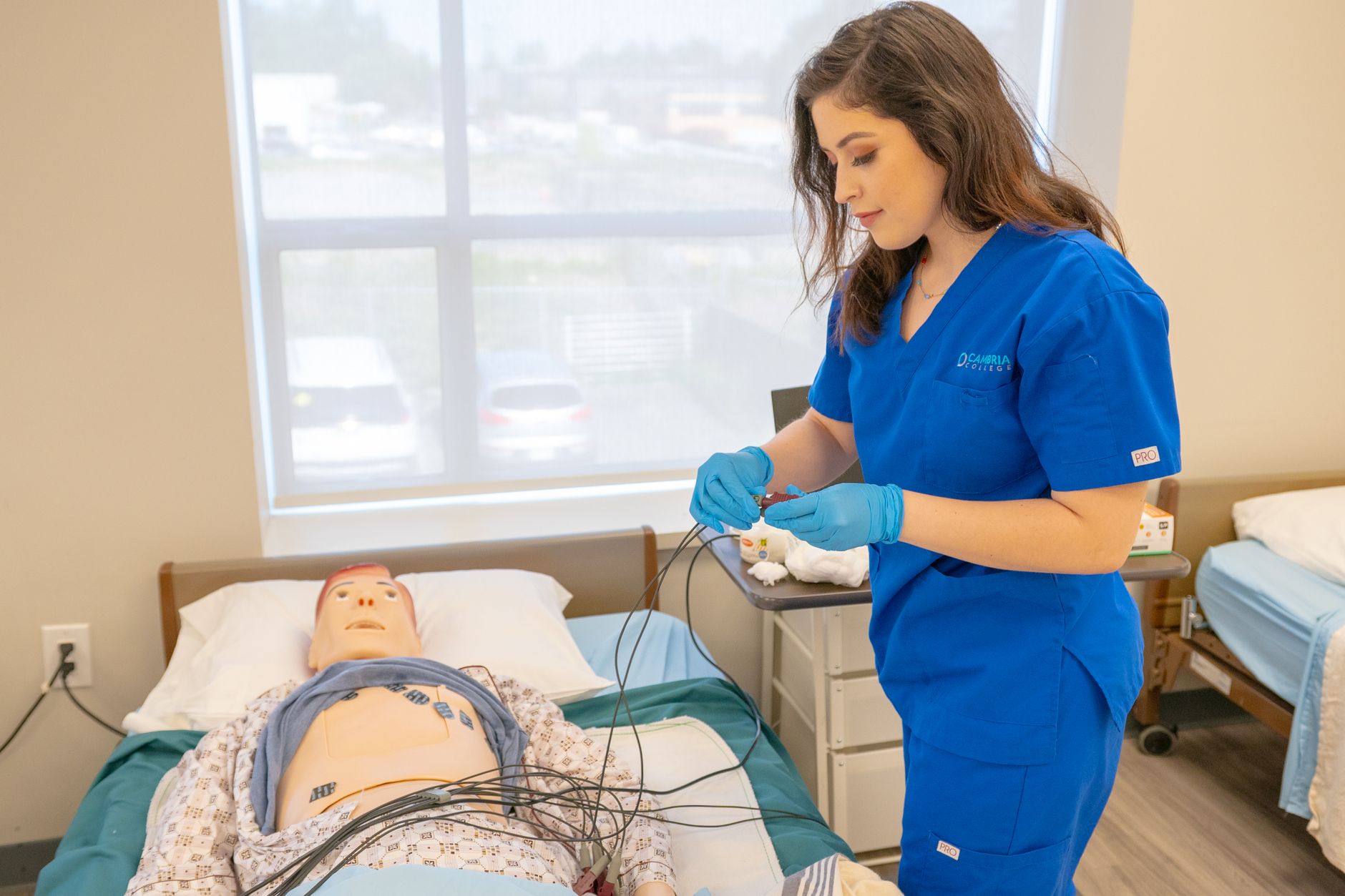
Explore how medical education is evolving from traditional textbooks to advanced simulation-based training for improved surgical skills.
# The Future of Medical Education: From Textbooks to Intelligent Simulation
Medical education has traditionally relied on textbooks, lectures, and clinical rotations to train future healthcare professionals. While these methods have laid a strong foundation, the rapid advancements in technology and changing healthcare demands are reshaping how medical knowledge and skills are acquired. One of the most promising developments is the integration of intelligent simulation into medical training.
Limitations of Traditional Medical Education
- Passive Learning: Textbooks and lectures often promote passive absorption of information, which may not translate effectively into clinical competence.
- Limited Hands-On Experience: Early exposure to real patient care can be limited due to safety concerns and variability in clinical cases.
- Assessment Challenges: Traditional assessments may not fully capture a learner’s practical skills or decision-making abilities.
The Rise of Simulation-Based Training
Simulation-based medical education uses realistic scenarios and virtual environments to mimic clinical situations. This approach offers several advantages:
- Safe Learning Environment: Trainees can practice procedures without risk to patients.
- Repetition and Mastery: Skills can be rehearsed repeatedly until proficiency is achieved.
- Immediate Feedback: Learners receive real-time guidance to correct errors and improve performance.
Intelligent Simulation: A New Era
Intelligent simulation integrates advanced technologies such as high-fidelity mannequins, virtual reality (VR), and computer-based scenarios to create immersive and adaptive learning experiences. Key features include:
- Realistic Anatomy and Physiology: Detailed models that respond dynamically to interventions.
- Scenario Customization: Training modules tailored to individual learner needs and specialty areas.
- Performance Analytics: Data-driven insights to track progress and identify areas for improvement.
Benefits for Surgical Training
Surgical education particularly benefits from intelligent simulation:
- Enhanced Technical Skills: Surgeons can refine hand-eye coordination and procedural steps.
- Crisis Management: Simulated emergencies prepare trainees for high-pressure situations.
- Teamwork and Communication: Multi-user simulations foster collaboration among surgical teams.
Implementing Intelligent Simulation in Residency Programs
To maximize the impact of simulation, residency programs should consider:
- Curriculum Integration: Embedding simulation exercises alongside clinical rotations.
- Faculty Training: Equipping educators to facilitate and debrief simulation sessions effectively.
- Resource Allocation: Investing in technology and dedicated simulation centers.
Challenges and Considerations
While promising, intelligent simulation also presents challenges:
- Cost: High-fidelity simulators and software require substantial investment.
- Technical Expertise: Maintenance and updates demand specialized skills.
- Standardization: Developing consistent benchmarks for assessment across institutions.
The Road Ahead
The future of medical education lies in blending traditional knowledge with cutting-edge simulation technology. This hybrid approach ensures that learners not only understand medical concepts but also develop the practical skills and confidence needed for patient care.
### Key Takeaways
- Intelligent simulation enhances experiential learning beyond textbooks.
- It offers a safe, customizable, and measurable training environment.
- Surgical education stands to gain significantly from immersive simulation.
- Successful adoption requires thoughtful integration and resource commitment.
By embracing intelligent simulation, medical education can better prepare residents for the complexities of modern healthcare, ultimately improving patient outcomes and advancing the field.