The Connection Between Anatomy Knowledge and Surgical Performance
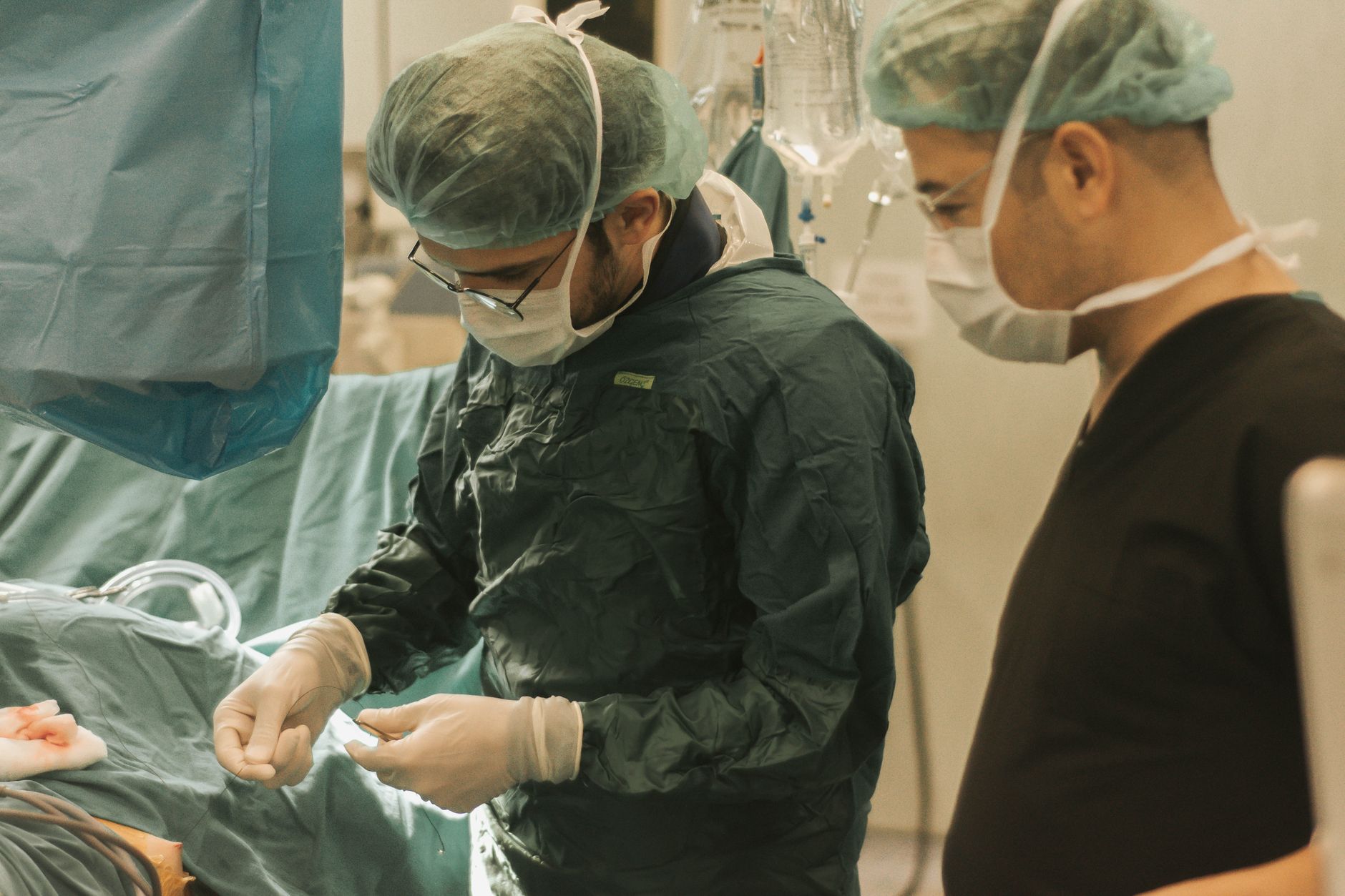
Explore how a deep understanding of anatomy enhances surgical precision, safety, and outcomes for medical professionals.
# The Connection Between Anatomy Knowledge and Surgical Performance
Understanding human anatomy is fundamental to the practice of surgery. The intricate relationship between detailed anatomical knowledge and surgical performance cannot be overstated. For medical residents and surgeons alike, mastery of anatomy is a cornerstone that supports safe, precise, and effective surgical interventions.
Why Anatomy Knowledge Matters in Surgery
Surgery involves navigating complex bodily structures, often under time-sensitive and high-pressure conditions. A surgeon's ability to identify, preserve, or manipulate tissues depends heavily on their anatomical expertise.
- Precision and Accuracy: Detailed knowledge of anatomy enables surgeons to target pathological areas while avoiding critical structures such as nerves, vessels, and organs.
- Risk Reduction: Understanding anatomical variations helps prevent inadvertent injury, reducing complications such as hemorrhage or nerve damage.
- Improved Outcomes: Accurate anatomical orientation facilitates complete removal of diseased tissue and optimal reconstruction, enhancing patient recovery.
Core Anatomical Concepts Critical for Surgical Success
Certain anatomical principles are especially relevant across surgical specialties:
### 1. Spatial Relationships
- Recognizing the three-dimensional arrangement of organs and tissues assists in planning surgical approaches.
- Awareness of adjacent structures prevents collateral damage.
### 2. Anatomical Variations
- Variations in vascular branching, nerve pathways, or organ morphology are common.
- Surgeons must anticipate and adapt to these differences intraoperatively.
### 3. Tissue Planes and Layers
- Understanding fascial planes and tissue layers guides dissection and minimizes trauma.
### 4. Functional Anatomy
- Knowledge of the function of structures informs decisions about preservation versus resection.
Impact of Anatomy Knowledge on Surgical Training and Performance
### Enhancing Surgical Simulation
- Simulation-based training platforms that emphasize anatomy improve hand-eye coordination and procedural understanding.
### Reducing Learning Curve
- Residents with strong anatomical foundations progress more rapidly through surgical skills acquisition.
### Decision-Making and Problem Solving
- Anatomical insight aids intraoperative decision-making when unexpected findings arise.
Strategies to Strengthen Anatomy Knowledge for Surgeons
- Cadaveric Dissection: Hands-on experience remains invaluable for appreciating real tissue texture and spatial relationships.
- 3D Anatomical Models: Physical or digital models provide interactive visualization.
- Imaging Correlation: Integrating anatomy with radiologic imaging (CT, MRI) enhances preoperative planning.
- Continuous Education: Regular review and updates on anatomical research ensure current knowledge.
Conclusion
A profound understanding of anatomy is integral to surgical excellence. It underpins every aspect of operative care, from preoperative planning to intraoperative navigation and postoperative outcomes. For surgical residents, investing time and effort into mastering anatomy is essential for developing the skills necessary to perform safe and effective surgeries.
---
Key Takeaways:
- Anatomy knowledge directly influences surgical precision and patient safety.
- Awareness of anatomical variations reduces intraoperative risks.
- Combining traditional and modern educational tools enhances anatomical understanding.
- Continuous anatomical education supports lifelong surgical competence.
By prioritizing anatomy in surgical training, medical professionals can elevate their performance and improve patient care quality.