Surgical Simulation vs Traditional Surgical Training: A Comprehensive Comparison
Explore the benefits and challenges of surgical simulation compared to traditional surgical training methods for medical residents.
# Surgical Simulation vs Traditional Surgical Training: A Comprehensive Comparison
Surgical education is a critical component of medical training, ensuring that residents develop the necessary skills to perform complex procedures safely and effectively. Traditionally, surgical training has relied heavily on apprenticeship models, direct patient care, and hands-on experience in the operating room. However, advances in technology have introduced surgical simulation as a complementary or alternative training method.
This article explores the differences between surgical simulation and traditional surgical training, highlighting their respective advantages, limitations, and implications for surgical education.
Understanding Traditional Surgical Training
Traditional surgical training primarily involves the following elements:
- Apprenticeship Model: Residents learn by observing and assisting experienced surgeons.
- Hands-on Experience: Performing procedures under supervision in the operating room.
- Didactic Learning: Lectures, textbooks, and case discussions.
- Gradual Responsibility: Increasing autonomy as skills develop.
### Advantages of Traditional Training
- Real Patient Interaction: Provides exposure to the variability and complexity of human anatomy and pathology.
- Decision-Making Skills: Develops critical thinking in real-time clinical scenarios.
- Teamwork and Communication: Enhances collaboration with surgical teams.
### Limitations of Traditional Training
- Patient Safety Concerns: Learning curves may pose risks to patients.
- Limited Practice Opportunities: Rare or complex cases may be infrequent.
- Variable Experience: Training quality depends on case availability and mentor expertise.
- Stress and Fatigue: High-pressure environments can affect learning.
Introduction to Surgical Simulation
Surgical simulation uses technology to replicate surgical procedures in a controlled environment. It includes:
- Virtual Reality (VR) Simulators: Computer-generated 3D environments for procedural practice.
- Augmented Reality (AR): Overlaying digital information on real-world settings.
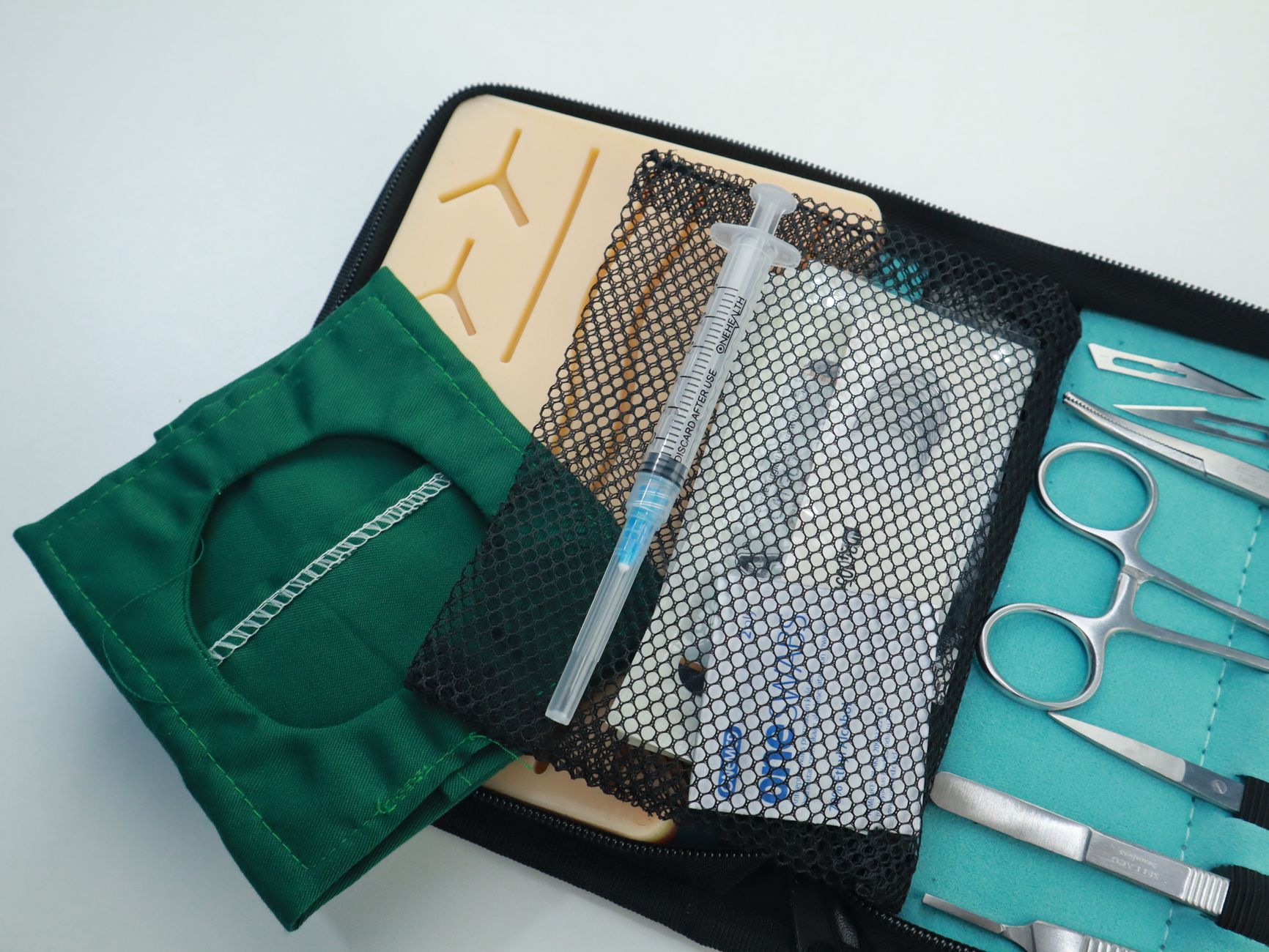
- Physical Models and Cadaver Labs: Anatomical replicas for hands-on practice.
- Task Trainers: Devices focusing on specific skills like suturing or laparoscopic techniques.
### Advantages of Surgical Simulation
- Safe Learning Environment: Allows repeated practice without risk to patients.
- Standardized Training: Ensures consistent exposure to key procedures.
- Immediate Feedback: Many simulators provide performance metrics.
- Skill Assessment: Objective evaluation of technical abilities.
- Accessibility: Enables practice outside the operating room.
### Limitations of Surgical Simulation
- Cost: High-fidelity simulators can be expensive to acquire and maintain.
- Limited Realism: Some simulators may not fully replicate tissue feel or unexpected complications.
- Technology Dependence: Requires technical support and updates.
Comparing the Two Approaches
| Aspect | Traditional Training | Surgical Simulation | |------------------------|-------------------------------------------|-------------------------------------------| | Patient Safety | Potential risk during learning | No risk; safe environment | | Skill Acquisition | Variable; depends on case availability | Consistent; repeatable practice | | Feedback | Often subjective and delayed | Immediate, objective metrics | | Cost | Lower direct costs; higher indirect costs | High initial investment; lower long-term costs | | Realism | High; real patient anatomy and pathology | Varies; improving with technology | | Accessibility | Limited by clinical schedules | Flexible; available anytime |
Integrating Simulation into Surgical Training
Modern surgical education increasingly incorporates simulation to complement traditional methods:
- Blended Learning: Combining simulation with clinical experience enhances skill retention.
- Competency-Based Training: Simulation helps ensure residents meet defined skill benchmarks.
- Preoperative Preparation: Surgeons can rehearse complex cases using patient-specific models.
- Continuous Professional Development: Simulation supports ongoing skill refinement.
Best Practices for Residents
- Engage Actively: Utilize simulation opportunities to practice and refine skills.
- Seek Feedback: Use simulator data and mentor input to identify areas for improvement.
- Balance Learning: Combine simulation with hands-on clinical experience.
- Stay Updated: Embrace new simulation technologies and training methodologies.
Conclusion
Both traditional surgical training and surgical simulation have unique strengths and limitations. While traditional methods provide invaluable real-world experience and decision-making skills, surgical simulation offers a safe, standardized, and accessible platform for skill development. Integrating simulation into surgical curricula enhances resident education, ultimately improving surgical competence and patient safety.
As surgical technology evolves, embracing a hybrid training approach that leverages the best of both worlds will be essential for preparing the next generation of skilled surgeons.