Reducing Surgical Training Errors Through Advanced Simulation Technologies
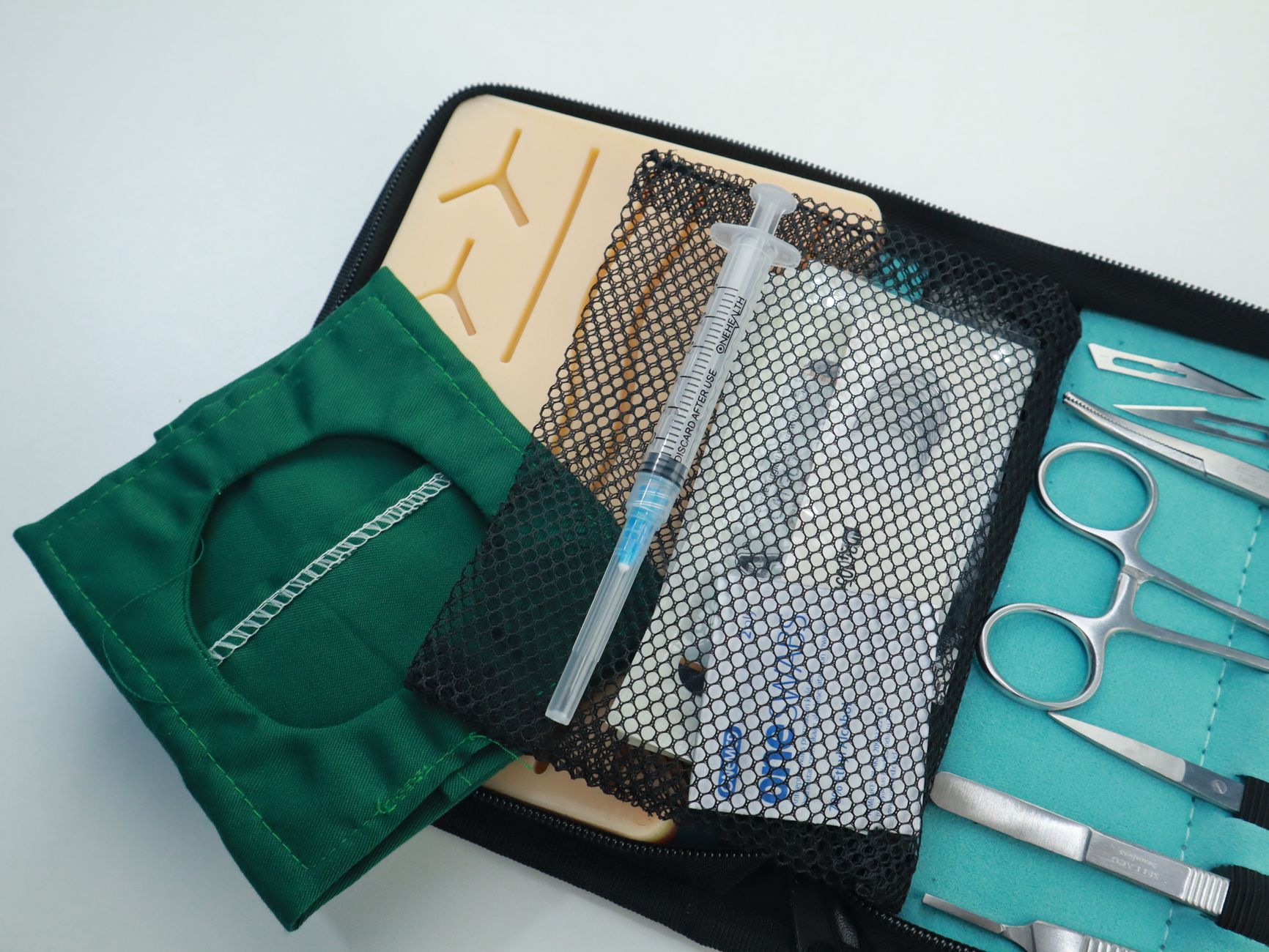
Explore how advanced simulation technologies can minimize errors in surgical training, enhancing resident skills and patient safety.
# Reducing Surgical Training Errors Through Advanced Simulation Technologies
Surgical training is a critical phase in the development of competent surgeons. However, the journey from novice to expert is fraught with challenges, including the risk of errors that can impact patient safety and clinical outcomes. In recent years, innovative simulation technologies have emerged as powerful tools to enhance surgical education and reduce training errors.
The Challenge of Surgical Training Errors
Errors during surgical training can arise from various factors:
- Limited hands-on experience: Early trainees often have restricted opportunities to practice complex procedures on real patients.
- High-stakes environment: Surgery involves critical decision-making under pressure, increasing the risk of mistakes.
- Variability in case exposure: Not all trainees encounter the same range of surgical cases, leading to gaps in experience.
These challenges underscore the need for effective training methods that allow residents to hone their skills safely.
Role of Simulation Technologies in Surgical Training
Simulation technologies provide a controlled, risk-free environment where trainees can practice and refine surgical techniques. Key features include:
- Realistic anatomical models: High-fidelity simulators replicate human anatomy and tissue behavior.
- Interactive scenarios: Trainees can engage in diverse surgical cases, including rare or complex procedures.
- Performance feedback: Objective metrics and expert review help identify areas for improvement.
By integrating these elements, simulation platforms create immersive learning experiences that bridge the gap between theory and practice.
Benefits of Simulation in Reducing Training Errors
### 1. Enhanced Skill Acquisition Simulation allows repetitive practice without patient risk, enabling trainees to develop muscle memory and procedural fluency.
### 2. Improved Decision-Making Through scenario-based training, residents learn to anticipate complications and make timely, informed decisions.
### 3. Objective Assessment Quantitative feedback on metrics such as precision, timing, and instrument handling facilitates targeted skill refinement.
### 4. Standardized Training Simulation ensures consistent exposure to essential surgical procedures, reducing variability in trainee experience.
### 5. Increased Confidence Safe practice environments help build trainee confidence, which translates to better performance in the operating room.
Implementing Simulation in Surgical Curricula
Successful integration of simulation requires thoughtful planning:
- Curriculum alignment: Simulation exercises should complement clinical rotations and educational objectives.
- Faculty involvement: Experienced surgeons must guide simulation sessions and provide constructive feedback.
- Regular practice: Scheduled simulation sessions reinforce learning and track progress over time.
- Assessment frameworks: Incorporate simulation outcomes into competency evaluations.
Challenges and Considerations
While simulation offers many advantages, certain limitations exist:
- Cost and resource requirements: High-fidelity simulators and maintenance can be expensive.
- Technology adaptation: Trainees and faculty need training to effectively use simulation tools.
- Transferability: Ensuring skills acquired in simulation translate to real-life surgery is essential.
Addressing these challenges involves institutional support, ongoing research, and continuous improvement of simulation platforms.
Future Directions in Surgical Training
The evolution of surgical education is moving toward more personalized, data-driven approaches. Potential advancements include:
- Enhanced haptic feedback: Improving tactile realism to better mimic surgical conditions.
- Virtual and augmented reality: Creating immersive environments for complex procedure rehearsal.
- Adaptive learning algorithms: Tailoring training modules based on individual performance.
These innovations promise to further reduce training errors and elevate surgical competency.
Conclusion
Advanced simulation technologies represent a transformative approach to surgical training. By providing realistic, interactive, and measurable learning experiences, they help minimize errors during the critical training phase. Incorporating these tools into surgical education not only enhances resident skills but ultimately contributes to improved patient safety and surgical outcomes.
---
Key Takeaways:
- Surgical training errors pose significant risks but can be mitigated through simulation.
- Simulation offers realistic, risk-free practice environments with objective feedback.
- Integration into curricula requires faculty engagement and resource allocation.
- Ongoing technological advancements continue to enhance training effectiveness.
Embracing simulation as a core component of surgical education is essential for preparing the next generation of skilled, confident surgeons.