Real-Time Surgical Feedback: The Next Generation of Medical Education
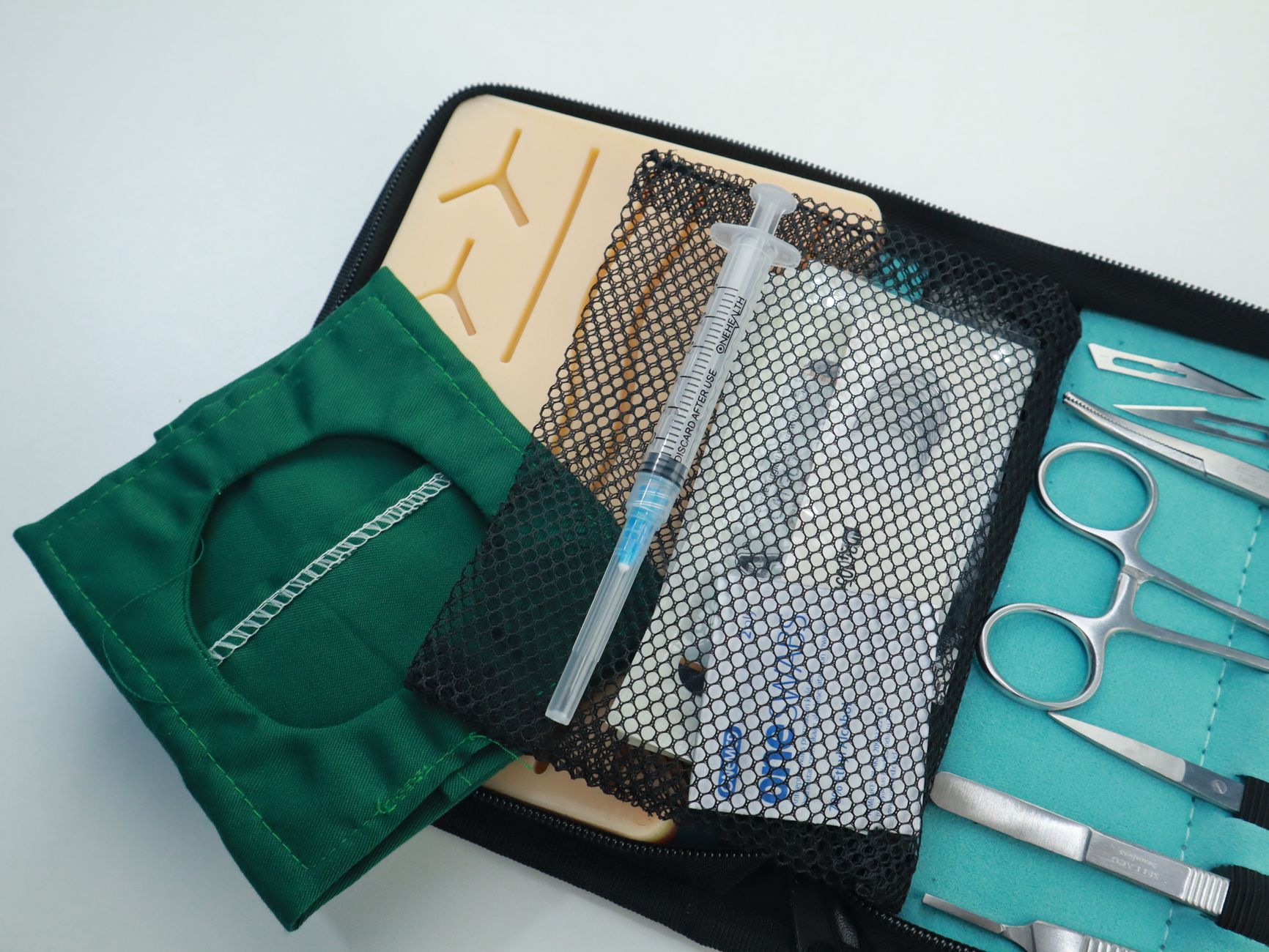
Explore how real-time surgical feedback is transforming medical education by enhancing skill acquisition, precision, and patient safety.
# Real-Time Surgical Feedback: The Next Generation of Medical Education
Introduction
Surgical education has traditionally relied on didactic learning, observation, and hands-on practice under supervision. While these methods have shaped generations of surgeons, the increasing complexity of surgical procedures demands more advanced educational tools. Real-time surgical feedback represents a transformative approach that enhances learning efficiency, technical precision, and patient safety.
What is Real-Time Surgical Feedback?
Real-time surgical feedback refers to the immediate, actionable information provided to surgical trainees during procedures or simulations. This feedback can include metrics on instrument handling, tissue manipulation, procedural timing, and adherence to surgical protocols. By delivering instant insights, it helps learners correct errors promptly and refine their skills dynamically.
Benefits of Real-Time Feedback in Surgical Training
### 1. Accelerated Skill Acquisition
- Immediate Correction: Trainees can adjust techniques instantly, preventing the reinforcement of bad habits.
- Enhanced Retention: Real-time cues improve memory retention by linking actions with outcomes.
### 2. Improved Precision and Technique
- Quantitative Metrics: Data on force application, instrument angles, and motion smoothness allow objective assessment.
- Standardization: Feedback ensures adherence to best practices and surgical standards.
### 3. Increased Patient Safety
- Error Reduction: Early identification of mistakes reduces the risk of complications.
- Confidence Building: Trainees gain confidence through guided practice before operating on patients.
### 4. Personalized Learning Experience
- Adaptive Feedback: Systems can tailor guidance based on individual performance and learning curves.
- Progress Tracking: Detailed reports help educators and learners monitor improvements over time.
Technologies Enabling Real-Time Surgical Feedback
- Simulation Platforms: High-fidelity surgical simulators replicate anatomy and procedural steps with integrated feedback systems.
- Sensor-Embedded Instruments: Tools equipped with sensors measure force, motion, and positioning.
- Video Analysis: Real-time video overlays highlight technique deviations and anatomical landmarks.
Implementing Real-Time Feedback in Residency Programs
### Steps for Integration
1. Curriculum Development: Incorporate feedback-driven modules aligned with surgical competencies. 2. Faculty Training: Educators must be proficient in interpreting and utilizing feedback data. 3. Resource Allocation: Invest in appropriate simulators and feedback technologies. 4. Assessment Framework: Use feedback metrics as part of formative and summative evaluations.
### Challenges and Considerations
- Cost: Advanced simulators and sensors can be expensive.
- Learning Curve: Both trainees and educators need time to adapt to new tools.
- Data Management: Ensuring secure and efficient handling of performance data is critical.
Case Studies and Outcomes
Several residency programs have reported positive outcomes after adopting real-time feedback systems:
- Enhanced Surgical Skills: Measurable improvements in suturing, knot-tying, and laparoscopic maneuvers.
- Reduced Training Time: Faster progression from novice to competent levels.
- Higher Resident Satisfaction: Increased engagement and motivation among trainees.
Future Directions
As technology advances, real-time feedback is expected to become more sophisticated and accessible. Potential developments include:
- Integration with Virtual Reality (VR): Immersive environments providing comprehensive sensory feedback.
- Remote Mentoring: Real-time feedback enabling expert guidance across distances.
- Data-Driven Curriculum Optimization: Using aggregated feedback data to refine educational strategies.
Conclusion
Real-time surgical feedback is revolutionizing medical education by providing immediate, objective, and personalized insights into surgical performance. Its integration into residency training promises to enhance skill acquisition, improve patient outcomes, and prepare the next generation of surgeons for the demands of modern healthcare.
---
Key Takeaways:
- Real-time feedback accelerates learning and improves surgical precision.
- Technologies like simulators and sensor-enabled instruments facilitate immediate guidance.
- Successful implementation requires curriculum adaptation and faculty training.
- Future innovations will further personalize and expand feedback capabilities.
Embracing real-time surgical feedback is essential for advancing surgical education and ensuring the highest standards of patient care.