Practicing Surgical Decision-Making Under Pressure: Strategies for Success
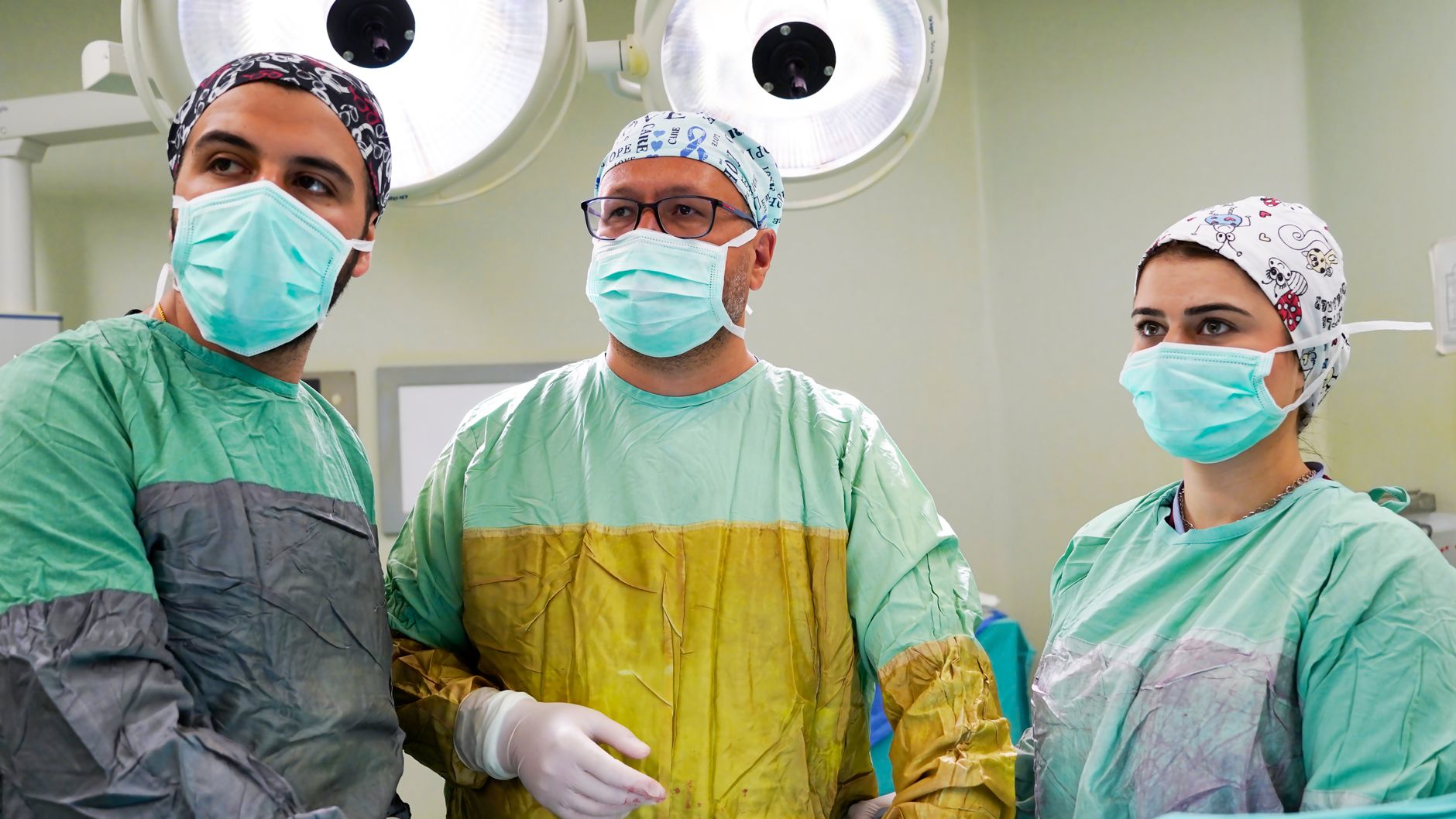
Master surgical decision-making under pressure with proven strategies to enhance performance and patient outcomes in high-stress environments.
# Practicing Surgical Decision-Making Under Pressure: Strategies for Success
Surgical decision-making is a critical skill that directly impacts patient outcomes. The operating room often presents high-pressure situations where rapid, accurate decisions are essential. For medical residents and surgical trainees, developing the ability to think clearly and act decisively under stress is a vital component of their education.
The Importance of Decision-Making Under Pressure
In surgery, decisions must often be made quickly, with incomplete information and significant consequences. Errors in judgment can lead to complications, increased morbidity, or even mortality. Therefore, cultivating resilience and effective decision-making skills is essential for surgical success.
Challenges in Surgical Decision-Making
- Time Constraints: Limited time to evaluate options and act.
- Emotional Stress: High stakes increase anxiety and cognitive load.
- Complexity: Multiple variables and unpredictable patient responses.
- Team Dynamics: Coordinating with surgical teams under pressure.
Understanding these challenges helps trainees prepare mentally and technically for real-life scenarios.
Strategies to Enhance Decision-Making Skills
### 1. Simulation-Based Training
Simulation offers a safe environment to practice decision-making without risking patient safety. High-fidelity surgical simulators replicate real-life scenarios, allowing trainees to:
- Experience stressful situations.
- Practice technical and cognitive skills.
- Receive immediate feedback.
### 2. Cognitive Rehearsal and Mental Practice
Visualizing surgical procedures and potential complications enhances preparedness. Mental rehearsal helps surgeons anticipate challenges and plan responses.
### 3. Structured Decision-Making Frameworks
Using algorithms and checklists can reduce cognitive load and ensure systematic evaluation. Examples include:
- ABCDE approach for trauma.
- Surgical safety checklists.
### 4. Stress Management Techniques
Techniques such as controlled breathing, mindfulness, and brief pauses can help maintain composure during critical moments.
### 5. Team Communication and Leadership
Effective communication within the surgical team improves situational awareness and supports better decisions. Leadership skills help coordinate efforts and delegate tasks efficiently.
Incorporating Decision-Making Training in Residency
Residency programs should integrate decision-making exercises into curricula through:
- Case-based discussions.
- Simulation drills.
- Debriefing sessions focusing on decision rationale.
This approach promotes reflective learning and continuous improvement.
Benefits of Practicing Under Pressure
- Improved Confidence: Familiarity with high-stress scenarios reduces anxiety.
- Enhanced Cognitive Flexibility: Ability to adapt plans as situations evolve.
- Better Patient Outcomes: Timely and accurate decisions minimize complications.
Conclusion
Developing surgical decision-making skills under pressure is essential for all surgical trainees. Through simulation, mental practice, structured frameworks, and effective team communication, residents can build the competence and confidence needed to excel in the operating room. Continuous practice and reflection ensure these skills become second nature, ultimately improving patient care and surgical success.
---
Remember: Mastery comes with deliberate practice and exposure to varied clinical scenarios. Embrace challenges as opportunities to grow your decision-making abilities.