Online Neurosurgery Simulation: Essential Tools and Learning Resources
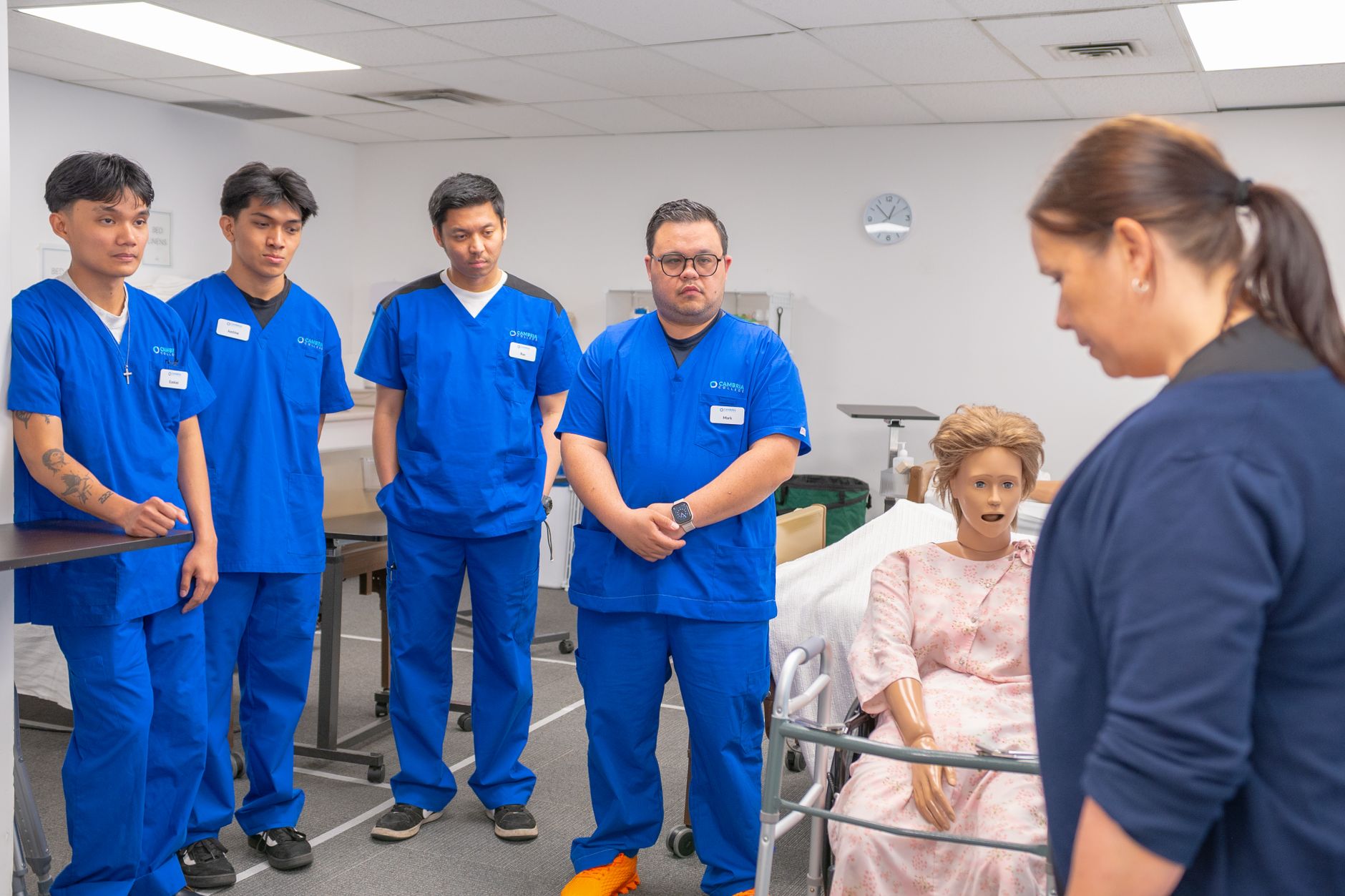
Explore top online neurosurgery simulation tools and learning resources designed to enhance surgical skills and knowledge for medical residents.
# Online Neurosurgery Simulation: Essential Tools and Learning Resources
Neurosurgery is one of the most complex surgical specialties, requiring precise skills, deep anatomical knowledge, and extensive hands-on experience. Traditional training methods often involve cadaveric dissection, operating room observation, and supervised surgeries. However, the advent of online neurosurgery simulation platforms has revolutionized surgical education by providing accessible, interactive, and risk-free environments for skill development.
Why Neurosurgery Simulation Matters
- Risk Reduction: Simulation allows trainees to practice procedures without patient risk.
- Skill Mastery: Repetitive practice improves dexterity and confidence.
- Anatomical Familiarity: 3D models enhance understanding of complex brain and spine structures.
- Immediate Feedback: Many platforms provide real-time performance metrics.
Key Features of Online Neurosurgery Simulators
When selecting an online neurosurgery simulation tool, consider the following features:
- High-Fidelity 3D Models: Realistic representations of brain, spine, and vasculature.
- Interactive Scenarios: Simulated surgeries such as tumor resection, aneurysm clipping, or spinal fixation.
- Haptic Feedback: Some advanced simulators incorporate tactile sensations to mimic tissue resistance.
- Assessment Modules: Objective evaluation of technique and decision-making.
- Accessibility: Web-based platforms that can be used remotely.
Popular Online Neurosurgery Simulation Tools
### 1. NeuroSim
- Offers detailed 3D brain anatomy and common neurosurgical procedures.
- Includes case-based learning with step-by-step guidance.
- Provides quizzes and performance tracking.
### 2. Virtual Brain Surgery Simulator (VBSS)
- Focuses on microsurgical techniques.
- Integrates haptic devices for tactile feedback.
- Allows customization of patient cases.
### 3. CranialSim
- Emphasizes cranial approaches and tumor resections.
- Features multi-angle visualization and instrument handling.
### 4. SpineSim
- Dedicated to spinal surgery simulations.
- Covers procedures like laminectomy, discectomy, and fusion.
Complementary Learning Resources
In addition to simulation platforms, the following resources support neurosurgery education:
- Online Video Libraries: Platforms like the Neurosurgical Atlas provide surgical videos and anatomical reviews.
- Virtual Reality (VR) Modules: Immersive VR experiences enhance spatial orientation.
- Webinars and Workshops: Interactive sessions led by experienced neurosurgeons.
- Anatomy Apps: Mobile applications with detailed neuroanatomy content.
Best Practices for Using Online Neurosurgery Simulations
- Integrate with Clinical Training: Use simulations to complement hands-on experience.
- Set Learning Goals: Define specific skills or procedures to focus on.
- Regular Practice: Consistent use improves retention and proficiency.
- Reflect on Performance: Utilize feedback to identify areas for improvement.
Challenges and Future Directions
- Technical Limitations: Not all simulators provide realistic haptic feedback.
- Cost and Accessibility: High-fidelity simulators may require expensive hardware.
- Standardization: Need for validated assessment criteria across platforms.
Ongoing advancements in software and hardware are expected to enhance the realism and educational value of neurosurgery simulations.
Conclusion
Online neurosurgery simulation tools and learning resources are invaluable for modern surgical education. They offer safe, flexible, and effective means to develop and refine neurosurgical skills. By integrating these technologies into residency programs, medical trainees can gain confidence and competence that translate into improved patient care outcomes.
---
Start exploring neurosurgery simulation platforms today to elevate your surgical training experience.