Online Cardiac Surgery Training Resources for Medical Professionals
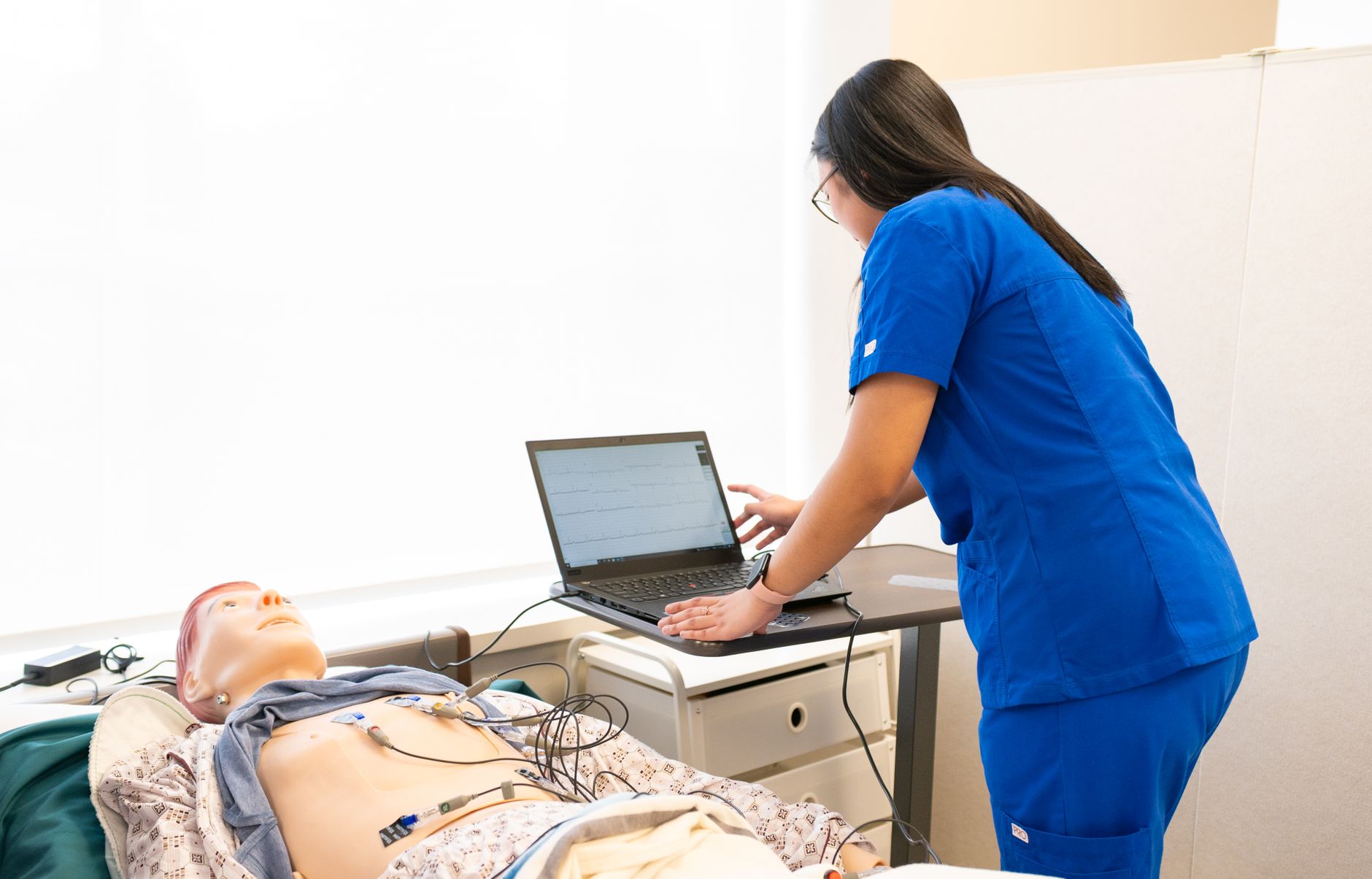
Explore top online cardiac surgery training resources designed to enhance skills and knowledge for medical professionals in a flexible learning environment.
# Online Cardiac Surgery Training Resources for Medical Professionals
Cardiac surgery is a highly specialized field requiring extensive knowledge, precise technical skills, and continual learning. For medical professionals, staying current with the latest techniques and guidelines is crucial for delivering optimal patient care. Online cardiac surgery training resources have emerged as vital tools to support education and skill development in this demanding specialty.
Importance of Online Training in Cardiac Surgery
Traditional surgical training often relies on in-person mentorship and hands-on experience. However, online platforms provide several advantages:
- Accessibility: Medical professionals worldwide can access quality training regardless of geographic location.
- Flexibility: Learners can study at their own pace, balancing clinical duties and education.
- Diverse Learning Modalities: Incorporation of videos, simulations, quizzes, and interactive modules enhances understanding.
- Up-to-Date Content: Online resources can be updated regularly to reflect the latest evidence and guidelines.
Types of Online Cardiac Surgery Training Resources
### 1. Video Lectures and Demonstrations
High-quality surgical videos demonstrate procedures such as coronary artery bypass grafting (CABG), valve repair/replacement, and minimally invasive techniques. These videos often include expert commentary explaining critical steps and decision-making processes.
### 2. Interactive Surgical Simulations
Simulation platforms allow users to practice surgical techniques in a virtual environment. These tools help develop hand-eye coordination, understand anatomy, and rehearse complex procedures without patient risk.
### 3. Webinars and Live Workshops
Live sessions led by experienced cardiac surgeons provide opportunities for real-time interaction, case discussions, and Q&A. Recorded webinars also serve as valuable on-demand learning materials.
### 4. Online Courses and Certification Programs
Structured courses cover foundational and advanced topics in cardiac surgery. Many offer continuing medical education (CME) credits and certificates upon completion, supporting professional development.
### 5. Digital Textbooks and Guidelines
Access to updated textbooks, clinical guidelines, and consensus statements ensures that learners have reliable reference materials to complement practical training.
Recommended Online Platforms and Resources
- Operax Surgical Simulation: Offers comprehensive cardiac surgery modules with realistic simulations and performance feedback.
- The Society of Thoracic Surgeons (STS) Online Learning Center: Provides CME courses, webinars, and case-based learning.
- American College of Cardiology (ACC) Learning Hub: Features cardiac surgery-related content including procedural videos and guideline updates.
- YouTube Medical Channels: Several reputable channels provide surgical procedure demonstrations and expert talks.
Tips for Maximizing Online Cardiac Surgery Training
- Set Clear Learning Goals: Identify specific skills or knowledge areas to focus on.
- Engage Actively: Participate in quizzes, discussion forums, and live sessions.
- Combine Modalities: Use videos, simulations, and reading materials together for comprehensive learning.
- Practice Regularly: Repetition enhances skill acquisition, especially with simulation tools.
- Seek Feedback: Use platforms that provide performance metrics or mentor input.
Challenges and Considerations
While online training is valuable, it cannot fully replace hands-on surgical experience. Integration with clinical practice and mentorship remains essential. Additionally, ensuring the credibility and quality of online content is critical to effective learning.
Conclusion
Online cardiac surgery training resources are transforming surgical education by providing accessible, flexible, and interactive learning opportunities. Medical professionals can leverage these tools to enhance their expertise, stay updated with evolving practices, and ultimately improve patient outcomes.
Embracing a blended approach that combines online learning with traditional clinical training will best prepare cardiac surgeons for the complexities of their field.