Mastering Port Placement With Simulation Training
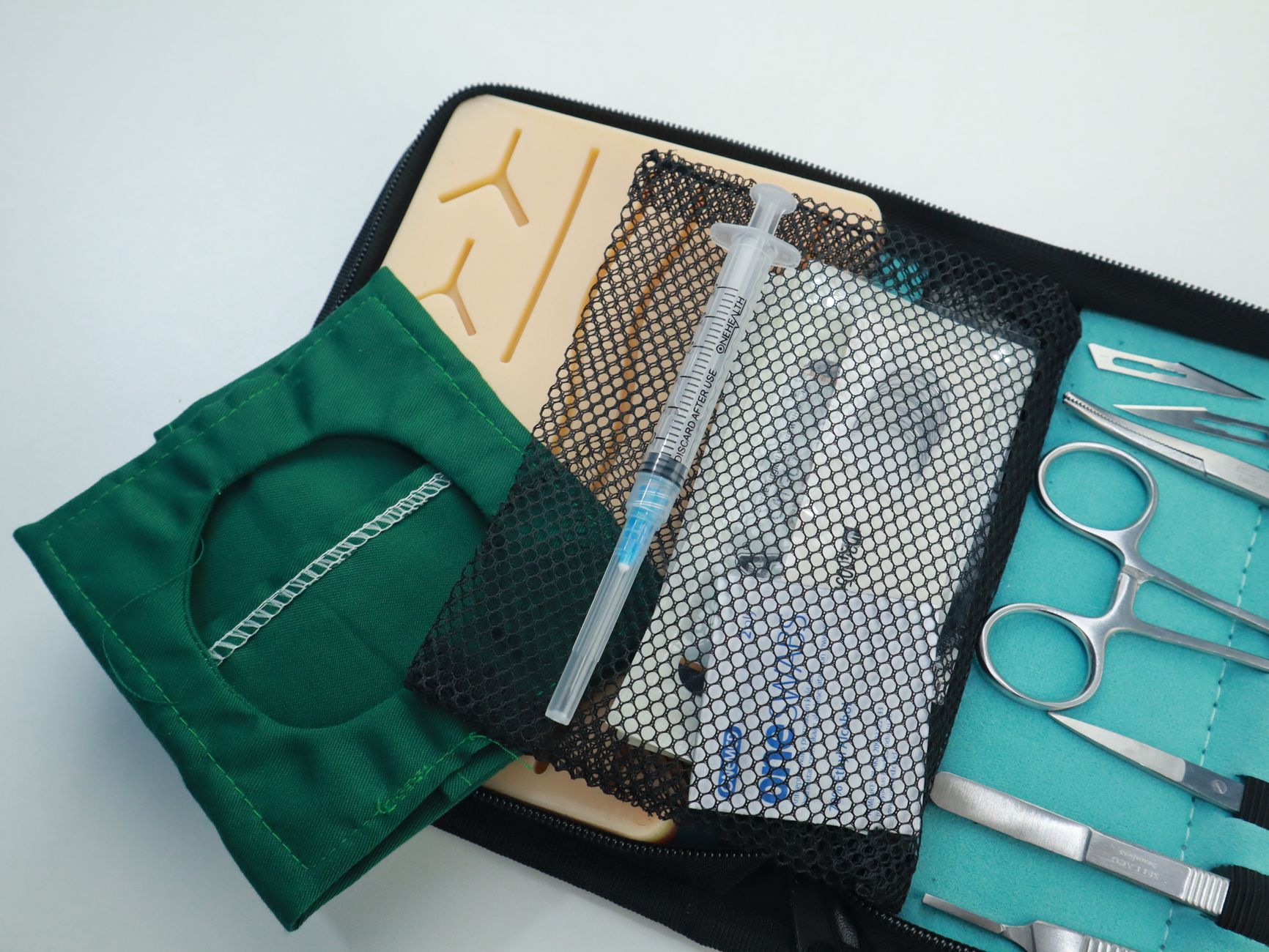
Enhance surgical precision by mastering port placement through advanced simulation training techniques for minimally invasive procedures.
# Mastering Port Placement With Simulation Training
Port placement is a critical skill in minimally invasive surgery, directly impacting procedural success, patient safety, and recovery. Effective training in port placement enhances surgical precision, reduces complications, and improves operative efficiency. Simulation-based training offers an innovative and effective approach to mastering this essential skill.
Importance of Port Placement in Surgery
Port placement refers to the strategic insertion of trocars or cannulas through the abdominal wall to facilitate laparoscopic or robotic instruments during minimally invasive procedures. Proper port placement:
- Ensures optimal instrument triangulation and ergonomics
- Minimizes tissue trauma and postoperative pain
- Reduces the risk of vascular or organ injury
- Facilitates adequate visualization and access to target anatomy
Incorrect port placement can lead to prolonged operative times, increased complications, and conversion to open surgery.
Challenges in Learning Port Placement
Surgical residents often face challenges such as:
- Variability in patient anatomy
- Limited opportunities for hands-on practice
- Difficulty visualizing three-dimensional spatial relationships
- High stakes environment with limited margin for error
Traditional apprenticeship models may not provide sufficient repetition or feedback for mastering port placement.
Advantages of Simulation Training
Simulation training provides a risk-free, controlled environment to develop and refine port placement skills. Key benefits include:
- Repetitive Practice: Allows multiple attempts without patient risk.
- Immediate Feedback: Facilitates correction of technique and improvement.
- Standardized Scenarios: Ensures exposure to a variety of anatomical challenges.
- Performance Metrics: Enables objective assessment of skill progression.
Types of Simulation Modalities
Several simulation platforms are available for port placement training:
- Virtual Reality (VR) Simulators: Offer immersive 3D environments with realistic haptic feedback.
- Physical Models and Trainers: Provide tactile experience with synthetic or animal tissue.
- Hybrid Simulators: Combine physical models with VR elements for enhanced realism.
Each modality has unique strengths and can be integrated into comprehensive training curricula.
Best Practices for Simulation-Based Port Placement Training
To maximize learning outcomes, consider the following strategies:
### Structured Curriculum
- Begin with basic anatomical orientation and trocar types.
- Progress to simulated cases with increasing complexity.
- Incorporate deliberate practice sessions focused on port placement.
### Feedback and Assessment
- Use objective metrics such as time to completion, accuracy, and instrument collisions.
- Provide expert review and coaching to reinforce correct technique.
### Integration with Clinical Training
- Apply simulation skills during supervised operative cases.
- Reflect on clinical experiences to identify areas for simulation practice.
Impact on Surgical Competency
Studies demonstrate that simulation training improves:
- Spatial awareness and hand-eye coordination
- Confidence in port placement decisions
- Reduction in intraoperative errors related to trocar insertion
Residents trained with simulation often achieve proficiency faster and with fewer complications.
Future Directions
Continued advancements in simulation technology, including enhanced realism and adaptive learning algorithms, promise to further refine port placement training. Integration with team-based scenarios and interprofessional education may also enhance operative workflow and communication.
Conclusion
Mastering port placement is fundamental to the success of minimally invasive surgery. Simulation-based training provides an effective, safe, and efficient pathway for surgical residents to develop this critical skill. Incorporating structured simulation curricula into residency programs can significantly enhance surgical education and patient outcomes.
---
### Key Takeaways
- Proper port placement is essential for surgical success and patient safety.
- Simulation training offers a risk-free environment for skill development.
- Multiple simulation modalities can be tailored to training needs.
- Structured curricula, feedback, and integration with clinical practice optimize learning.
- Simulation-trained residents demonstrate improved competency and confidence.
Embracing simulation in surgical education empowers residents to master port placement and advance minimally invasive surgical care.