Improving Camera Navigation Through Surgical Simulation
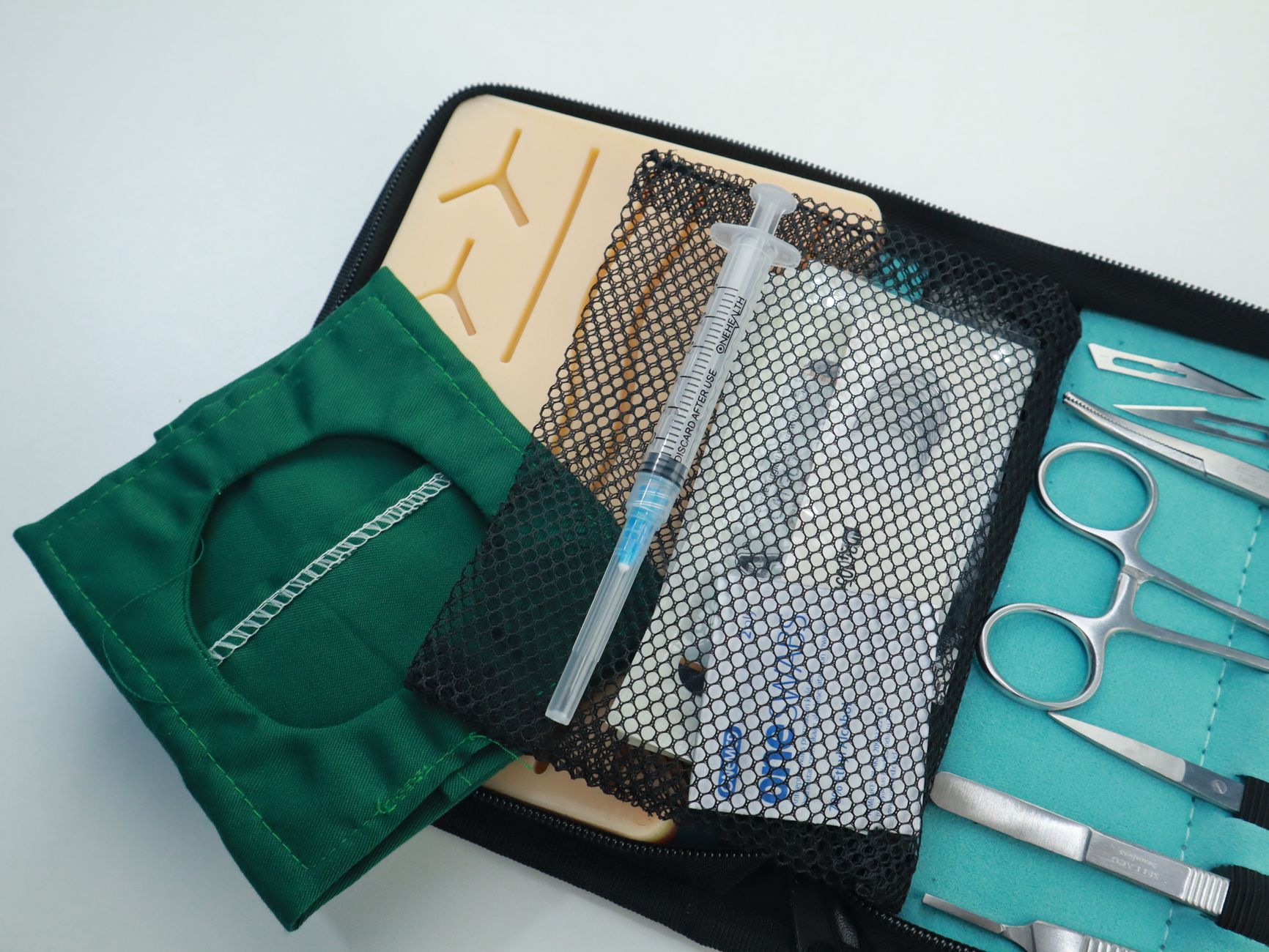
Enhance surgical camera navigation skills with simulation training to improve precision, reduce errors, and optimize operative outcomes.
# Improving Camera Navigation Through Surgical Simulation
Effective camera navigation is a critical skill in minimally invasive and laparoscopic surgery. Mastery of this technique directly influences the surgeon's ability to visualize anatomy, perform precise maneuvers, and ultimately achieve successful patient outcomes. Surgical simulation offers an invaluable platform for developing and refining camera navigation skills in a controlled, risk-free environment.
Importance of Camera Navigation in Surgery
- Enhanced Visualization: Proper camera control ensures clear, stable views of the surgical field.
- Improved Coordination: Synchronization between the camera operator and the surgeon is essential for smooth procedures.
- Reduced Operative Time: Efficient navigation minimizes unnecessary camera adjustments.
- Lower Risk of Complications: Accurate visualization helps avoid tissue damage and other intraoperative errors.
Challenges in Camera Navigation
- Limited Depth Perception: Two-dimensional screens can make spatial orientation difficult.
- Hand-Eye Coordination: Requires practice to align camera movements with surgical instruments.
- Communication Barriers: Especially when the camera operator is a separate team member.
- Fatigue and Ergonomics: Prolonged procedures can affect steadiness and precision.
Role of Surgical Simulation in Skill Development
Surgical simulators replicate the operative environment, allowing trainees to practice camera navigation without patient risk. Key benefits include:
- Safe Learning Environment: Mistakes become learning opportunities.
- Repetitive Practice: Enables mastery through deliberate repetition.
- Objective Feedback: Metrics on camera movement smoothness, steadiness, and efficiency.
- Scenario Variety: Exposure to diverse anatomical challenges and pathologies.
Types of Surgical Simulators for Camera Navigation
1. Virtual Reality (VR) Simulators: Provide immersive 3D environments with haptic feedback. 2. Box Trainers: Physical models with real instruments and cameras. 3. Hybrid Simulators: Combine physical models with virtual elements for enhanced realism.
Strategies to Improve Camera Navigation Skills
### 1. Structured Training Programs
- Begin with basic camera control exercises.
- Progress to complex scenarios involving dynamic anatomy.
- Incorporate team-based training to improve communication.
### 2. Focused Skill Drills
- Practice maintaining a steady camera view.
- Develop smooth, deliberate camera movements.
- Learn to anticipate surgeon instrument maneuvers.
### 3. Utilize Performance Metrics
- Track time spent adjusting the camera.
- Measure path length and movement smoothness.
- Analyze error rates such as unintended tissue contact.
### 4. Encourage Reflective Practice
- Review recorded simulation sessions.
- Identify areas for improvement.
- Set specific goals for subsequent practice.
Integrating Simulation into Surgical Training Curricula
- Incorporate regular simulation sessions early in residency.
- Use simulation assessments for competency evaluations.
- Foster interdisciplinary training involving surgeons and camera operators.
Future Directions
- Enhanced simulator realism with improved graphics and tactile feedback.
- Development of standardized curricula focused on camera navigation.
- Increased accessibility of simulation tools via portable and cost-effective models.
Conclusion
Mastering camera navigation is essential for the success of minimally invasive surgeries. Surgical simulation provides a powerful tool to develop these skills efficiently and safely. By integrating simulation-based training into surgical education, residents can improve their technical proficiency, enhance operative teamwork, and ultimately contribute to better patient care.
---
Key Takeaways:
- Camera navigation is vital for optimal surgical visualization.
- Simulation offers a risk-free environment for skill development.
- Structured training and objective feedback accelerate learning.
- Integration into curricula ensures consistent competency growth.