How Virtual Surgery Simulators Help Prepare Doctors for Real Procedures
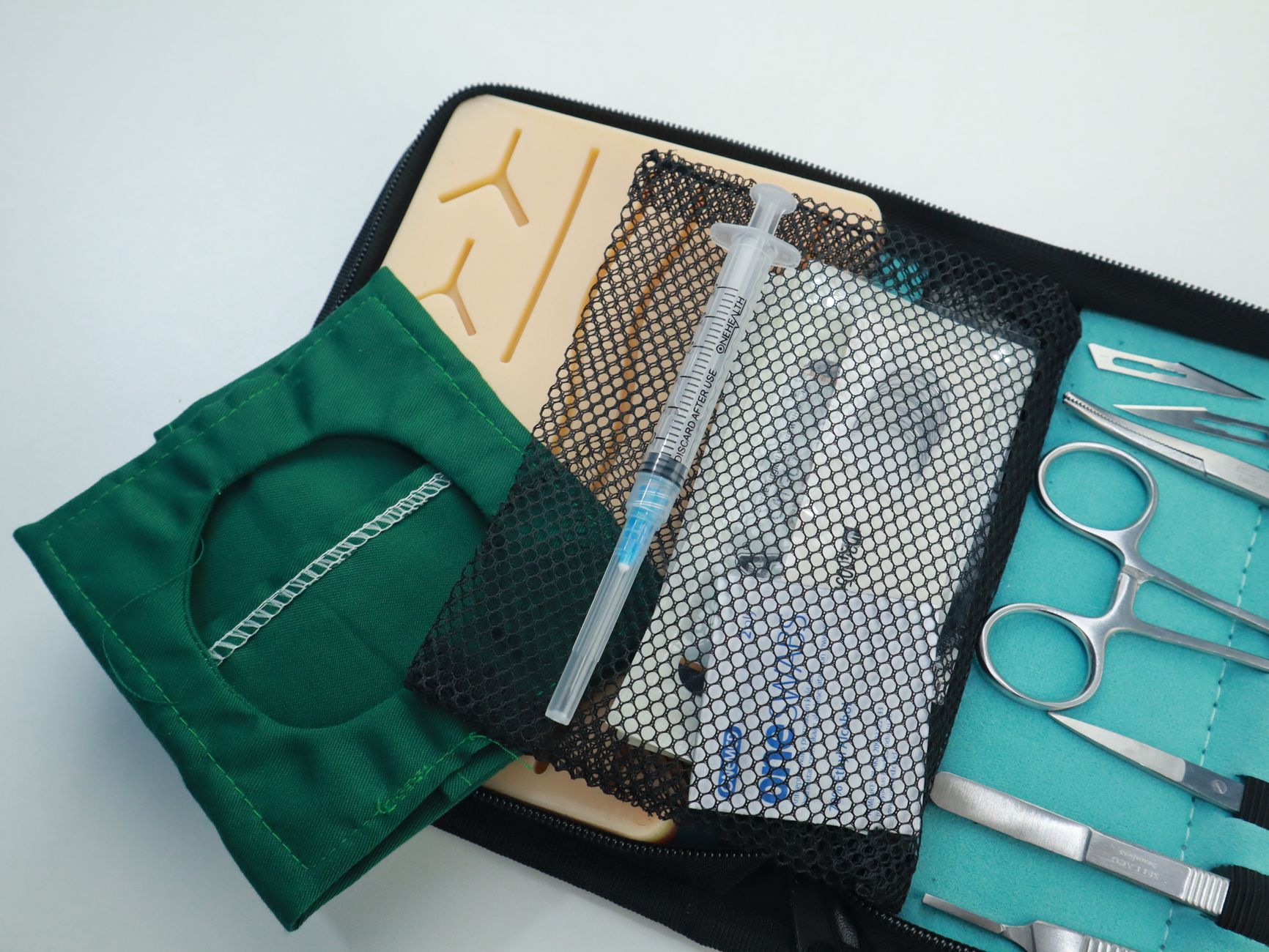
Explore how virtual surgery simulators enhance surgical training by improving skills, confidence, and patient safety before real procedures.
# How Virtual Surgery Simulators Help Prepare Doctors for Real Procedures
Surgical training has traditionally relied on a combination of didactic learning, observation, and hands-on experience in operating rooms. However, the complexity and high stakes of surgery demand innovative educational tools that can provide safe, effective, and repeatable practice environments. Virtual surgery simulators have emerged as a powerful solution, enabling medical residents and surgeons to refine their skills before performing real procedures.
What Are Virtual Surgery Simulators?
Virtual surgery simulators are computer-based platforms that replicate surgical environments and procedures using advanced graphics, haptic feedback, and interactive interfaces. These simulators allow trainees to practice surgical techniques on virtual patients, experiencing realistic anatomy and procedural steps without risk to actual patients.
Benefits of Virtual Surgery Simulators in Surgical Training
### 1. Enhanced Skill Acquisition
- Repetitive Practice: Trainees can repeat procedures multiple times, reinforcing muscle memory and technique.
- Immediate Feedback: Many simulators provide real-time performance metrics, such as precision, time taken, and error rates.
- Complex Procedure Simulation: Simulators can mimic rare or complicated surgeries that residents might not frequently encounter.
### 2. Improved Patient Safety
- Risk-Free Environment: Errors made during simulation do not harm patients, allowing learners to experiment and learn from mistakes.
- Better Preparedness: Surgeons enter the operating room with greater confidence and familiarity with the procedure.
### 3. Standardized Training
- Uniform Curriculum: Simulators ensure all trainees experience the same procedural steps and challenges.
- Objective Assessment: Performance can be quantitatively measured, facilitating fair evaluations.
### 4. Cost-Effectiveness
- Reduced Need for Cadavers: Virtual simulations reduce dependence on expensive or limited physical specimens.
- Lower Consumable Costs: Unlike traditional surgical training, simulators do not require disposable materials.
Key Features of Effective Virtual Surgery Simulators
- Realistic Anatomy and Physiology: Accurate 3D models that respond to surgical manipulation.
- Haptic Feedback: Tactile sensations that mimic tissue resistance and instrument handling.
- Scenario Variability: Ability to simulate different patient anatomies, pathologies, and complications.
- Performance Analytics: Detailed reports to guide learner improvement.
Examples of Procedures Commonly Simulated
- Laparoscopic surgeries (e.g., cholecystectomy)
- Orthopedic procedures
- Neurosurgical interventions
- Endoscopic examinations
Integration Into Surgical Residency Programs
Many residency programs incorporate virtual simulators as part of their curriculum to complement traditional training methods. This blended approach helps residents build competence before performing supervised surgeries on patients.
Challenges and Considerations
- Initial Cost: High-quality simulators can require significant investment.
- Learning Curve: Both instructors and trainees need orientation to effectively use the technology.
- Technology Limitations: While highly advanced, simulators may not fully replicate every tactile nuance of live surgery.
Future Directions
Ongoing advancements in graphics, haptics, and software are continually enhancing the realism and educational value of virtual surgery simulators. As technology evolves, these tools will likely become even more integral to surgical education.
---
Virtual surgery simulators represent a transformative step in surgical education, offering residents a safe, effective, and standardized way to prepare for real-world procedures. By improving technical skills, boosting confidence, and enhancing patient safety, these platforms are shaping the future of surgical training.