How Virtual Simulation Can Improve Surgical Decision-Making
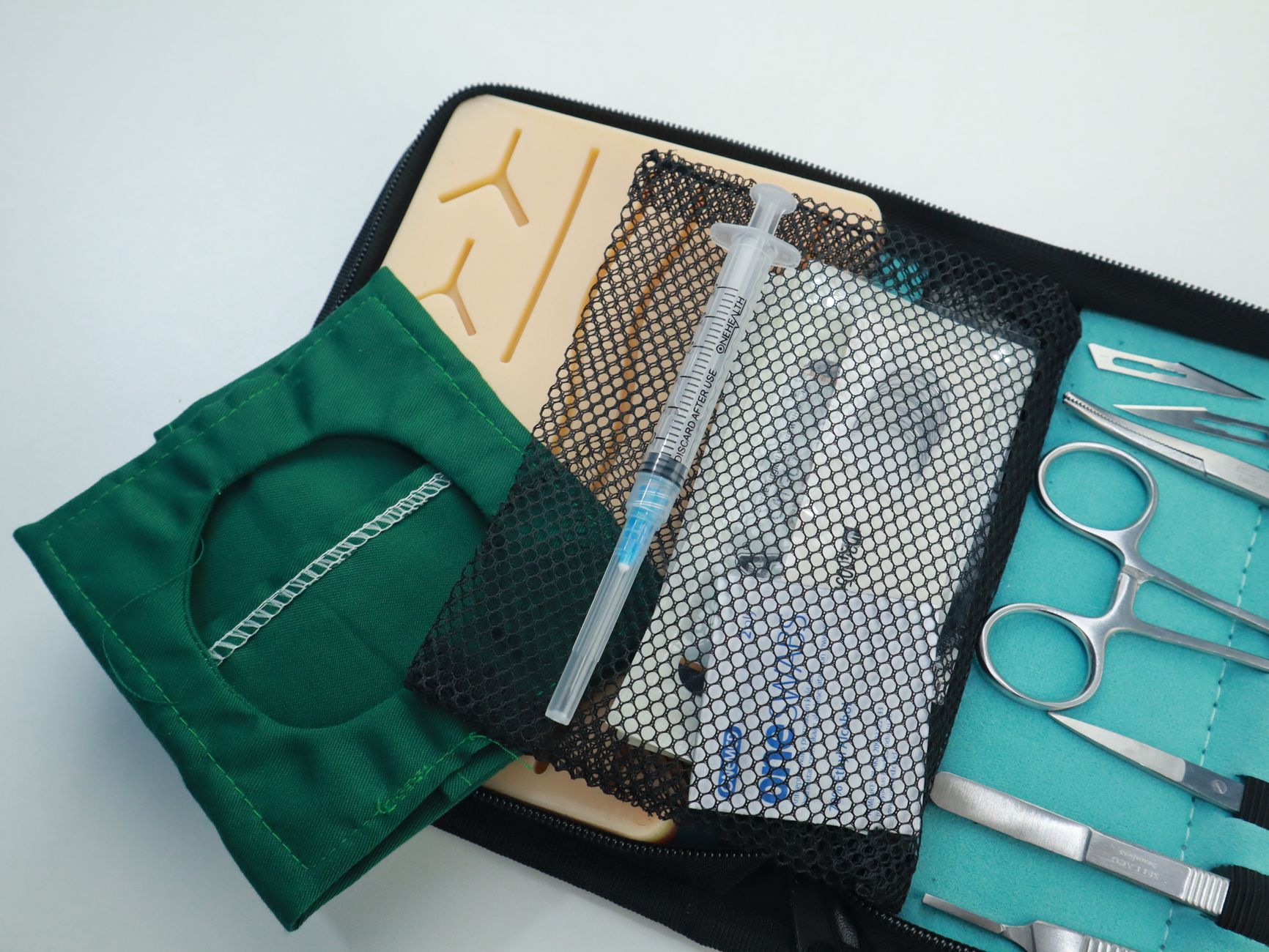
Explore how virtual simulation enhances surgical decision-making by providing risk-free practice, improving skills, and boosting clinical confidence.
# How Virtual Simulation Can Improve Surgical Decision-Making
Surgical decision-making is a complex and critical skill that directly impacts patient outcomes. Traditionally, surgeons have honed this skill through hands-on experience, mentorship, and didactic learning. However, the advent of virtual simulation technology has revolutionized surgical education by offering a risk-free, immersive environment to practice and refine decision-making skills.
The Importance of Surgical Decision-Making
Effective surgical decision-making requires a combination of clinical knowledge, technical skill, and the ability to rapidly analyze and respond to dynamic intraoperative situations. Poor decisions can lead to complications, prolonged operative times, or suboptimal patient outcomes. Therefore, training methods that enhance decision-making capabilities are essential for surgical residents and practicing surgeons alike.
What is Virtual Simulation in Surgery?
Virtual simulation involves using computer-generated environments to replicate surgical scenarios. These simulations range from basic procedural walkthroughs to complex, interactive cases that mimic real-life challenges. Trainees can manipulate virtual instruments, navigate anatomy, and make clinical decisions without any risk to patients.
Benefits of Virtual Simulation for Surgical Decision-Making
### 1. Risk-Free Environment
- Allows repeated practice without harm to patients.
- Encourages exploration of different decision pathways and techniques.
### 2. Exposure to Rare and Complex Cases
- Simulates uncommon surgical scenarios that trainees may not encounter frequently.
- Prepares surgeons to handle unexpected intraoperative complications.
### 3. Immediate Feedback and Performance Metrics
- Provides objective data on decision accuracy, timing, and outcomes.
- Enables targeted improvement through detailed performance analysis.
### 4. Enhances Cognitive and Technical Skills
- Integrates decision-making with technical execution.
- Improves situational awareness and critical thinking.
### 5. Boosts Confidence and Reduces Anxiety
- Builds familiarity with procedures and decision points.
- Helps surgeons feel more prepared for real operations.
Key Features of Effective Surgical Simulation Platforms
- Realistic Anatomy and Physiology: High-fidelity models that accurately represent human tissues and responses.
- Interactive Decision Points: Scenarios that require active decision-making rather than passive observation.
- Multidisciplinary Scenarios: Incorporation of team dynamics and communication challenges.
- Customizable Difficulty Levels: Adaptation to trainee skill levels to ensure progressive learning.
Implementing Virtual Simulation in Surgical Training
### Curriculum Integration
- Simulation modules should align with educational objectives and competencies.
- Regular simulation sessions can complement clinical rotations.
### Assessment and Certification
- Use simulation performance as part of formative and summative assessments.
- Credentialing bodies may incorporate simulation-based evaluations.
### Faculty Training
- Educators need training to effectively facilitate simulation exercises and debriefings.
Challenges and Considerations
- Cost and Accessibility: High-fidelity simulators can be expensive and require technical support.
- Technology Limitations: Some simulations may not fully replicate tactile feedback or complex anatomy.
- User Engagement: Ensuring active participation and avoiding simulation fatigue.
Future Directions
Advancements in virtual reality and simulation technology continue to improve realism and interactivity. Integration with other educational tools and data analytics promises to further enhance surgical decision-making training.
Conclusion
Virtual simulation is a powerful tool that significantly improves surgical decision-making by providing a safe, controlled environment for practice and learning. By incorporating simulation into surgical education, training programs can better prepare surgeons to make informed, confident decisions that enhance patient care.
---
Key Takeaways:
- Virtual simulation offers risk-free, repeatable practice.
- It exposes trainees to rare and complex cases.
- Immediate feedback enhances learning and skill refinement.
- Simulation boosts confidence and readiness for real surgeries.
- Integration into curricula and assessments maximizes benefits.
Embracing virtual simulation in surgical training is essential for developing proficient surgeons capable of making critical decisions under pressure.