How to Rehearse Surgical Procedures Before an Operation
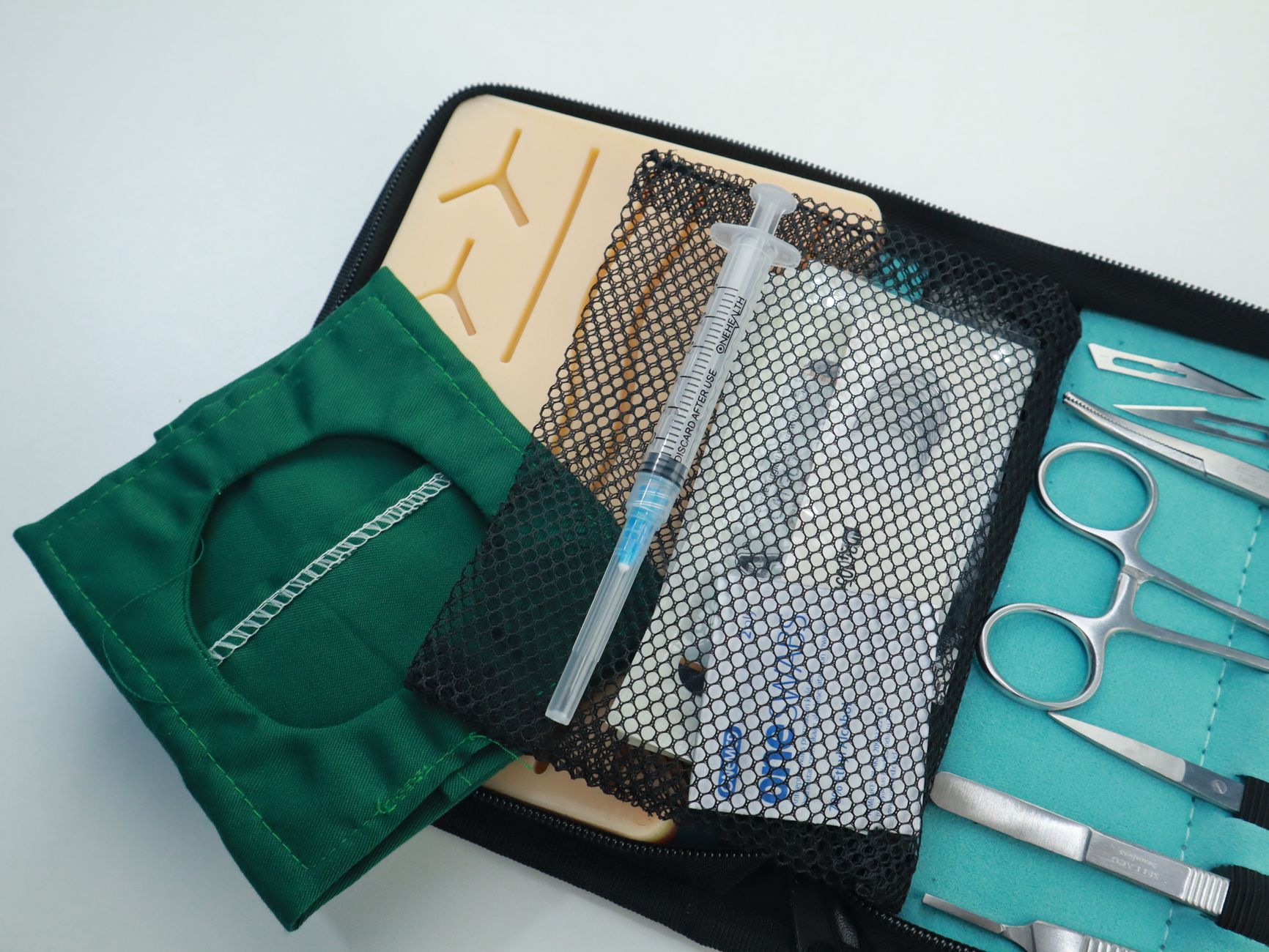
Master surgical rehearsal techniques to enhance precision, reduce errors, and improve patient outcomes before every operation.
# How to Rehearse Surgical Procedures Before an Operation
Rehearsing surgical procedures before an operation is a critical step in ensuring precision, reducing intraoperative errors, and improving patient outcomes. For surgical residents and practicing surgeons alike, structured rehearsal enhances familiarity with the procedure, sharpens technical skills, and builds confidence. This article explores effective strategies and tools for surgical rehearsal, helping you prepare comprehensively before entering the operating room.
Why Rehearse Surgical Procedures?
- Enhances Technical Proficiency: Repetition improves muscle memory and hand-eye coordination.
- Reduces Intraoperative Errors: Anticipating challenges minimizes mistakes during surgery.
- Improves Team Coordination: Practicing with the surgical team streamlines communication and workflow.
- Boosts Confidence: Familiarity with the procedure reduces stress and anxiety.
- Optimizes Patient Safety: Better preparation translates to safer surgical outcomes.
Methods to Rehearse Surgical Procedures
### 1. Review Surgical Anatomy and Steps
- Study Anatomical Landmarks: Use detailed atlases and 3D anatomy apps.
- Understand Procedural Steps: Break down the operation into sequential phases.
- Visualize the Procedure: Mentally walk through each step to anticipate challenges.
### 2. Utilize Surgical Simulation Platforms
- Virtual Reality (VR) Simulators: Offer immersive, interactive practice environments.
- High-Fidelity Mannequins: Provide realistic tactile feedback for hands-on rehearsal.
- Procedure-Specific Simulators: Tailored modules for laparoscopic, orthopedic, or microsurgery.
### 3. Practice with Cadaveric Dissection
- Realistic Tissue Handling: Offers the closest experience to live surgery.
- Anatomical Variations: Exposes trainees to diverse anatomical presentations.
- Ethical and Logistical Considerations: Requires access to facilities and adherence to protocols.
### 4. Conduct Dry Runs and Mock Surgeries
- Team-Based Rehearsals: Involve surgeons, anesthesiologists, nurses, and tech staff.
- Simulate OR Environment: Replicate operating room setup, instruments, and timing.
- Debrief Post-Rehearsal: Discuss improvements and clarify roles.
### 5. Video Review and Self-Assessment
- Record Practice Sessions: Analyze technique and decision-making.
- Compare with Expert Performances: Identify gaps and areas for improvement.
- Solicit Feedback: Engage mentors or peers for constructive critique.
Tips for Effective Surgical Rehearsal
- Set Clear Objectives: Define what skills or steps to focus on during rehearsal.
- Schedule Regular Practice: Consistency reinforces learning and skill retention.
- Simulate Complications: Prepare for unexpected scenarios to improve adaptability.
- Use Checklists: Ensure all steps and safety protocols are covered.
- Maintain a Learning Log: Track progress and reflect on challenges.
Leveraging Technology in Surgical Rehearsal
Modern technology has transformed surgical rehearsal by providing realistic, accessible, and customizable training tools.
- 3D Printed Models: Allow tactile practice on patient-specific anatomy.
- Augmented Reality (AR): Overlay anatomical structures onto physical models or patients.
- Mobile Apps: Offer quick refreshers and interactive quizzes.
Conclusion
Rehearsing surgical procedures before an operation is indispensable for surgical excellence. Combining anatomical study, simulation technology, team practice, and reflective learning creates a comprehensive preparation strategy. By investing time and effort into rehearsal, surgeons can enhance their technical skills, improve intraoperative decision-making, and ultimately provide safer, more effective patient care.
---
Remember: Surgical rehearsal complements clinical experience but does not replace the need for supervised practice and ongoing education.
---