How to Practice Surgical Procedures Virtually: A Comprehensive Guide
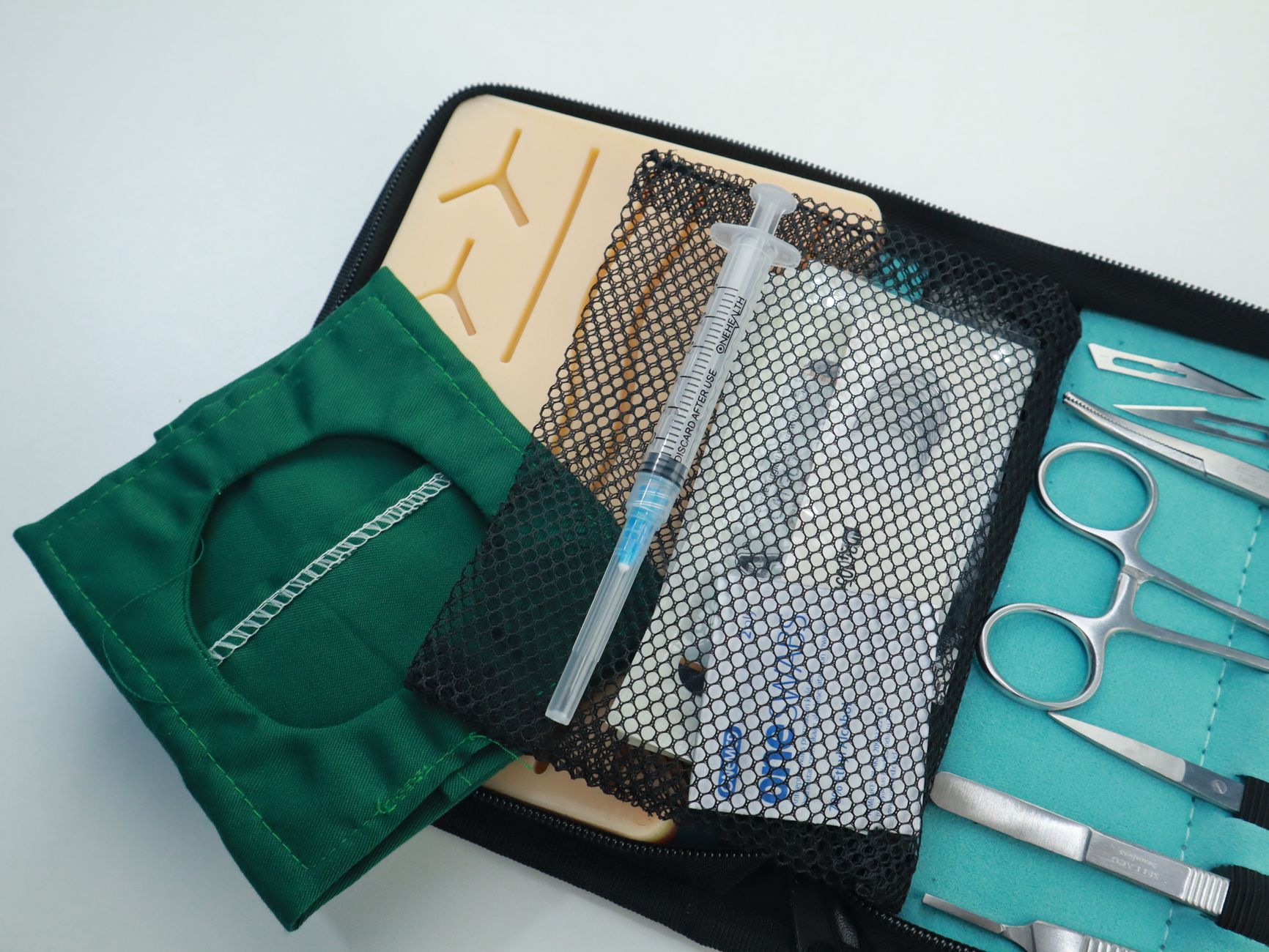
Master surgical skills effectively by practicing procedures virtually with advanced simulation tools and structured learning strategies.
# How to Practice Surgical Procedures Virtually: A Comprehensive Guide
Virtual surgical training has become an essential component of modern medical education. It allows residents and surgeons to enhance their skills in a controlled, risk-free environment. This article explores effective strategies and tools for practicing surgical procedures virtually.
Benefits of Virtual Surgical Practice
- Risk-Free Environment: Practice complex procedures without endangering patients.
- Repetition and Mastery: Repeat procedures multiple times to build proficiency.
- Immediate Feedback: Receive real-time performance metrics to guide improvement.
- Accessibility: Train anytime and anywhere, overcoming geographic limitations.
Selecting the Right Virtual Simulation Platform
When choosing a virtual surgical training platform, consider the following:
- Procedure Variety: Ensure the platform covers a broad range of surgical specialties.
- Realism: Look for high-fidelity simulations with accurate anatomy and tactile feedback.
- Performance Metrics: Platforms should provide objective data on accuracy, speed, and technique.
- User Interface: Intuitive controls and clear instructions enhance learning efficiency.
Setting Up Your Virtual Practice Session
1. Define Learning Objectives: Identify specific skills or procedures to focus on. 2. Schedule Regular Sessions: Consistency is key; set aside dedicated time for practice. 3. Prepare Mentally: Review relevant anatomy and procedural steps beforehand. 4. Create a Distraction-Free Environment: Minimize interruptions to maximize concentration.
Effective Virtual Practice Techniques
- Stepwise Approach: Break down procedures into smaller steps and master each before progressing.
- Deliberate Practice: Focus on challenging aspects of the procedure rather than routine steps.
- Use Feedback Constructively: Analyze performance reports to identify areas for improvement.
- Simulate Realistic Scenarios: Incorporate complications or variations to build adaptability.
Integrating Virtual Practice with Traditional Training
Virtual simulation should complement, not replace, hands-on experience. Combine virtual practice with:
- Cadaver Labs: To understand tissue texture and three-dimensional anatomy.
- Mentored Operating Room Exposure: To apply skills under supervision.
- Didactic Learning: To reinforce theoretical knowledge.
Tracking Progress and Competency
- Maintain a log of completed virtual procedures and performance scores.
- Set benchmarks and goals to monitor skill development.
- Seek periodic assessments from mentors to validate competency.
Overcoming Common Challenges
- Technical Issues: Ensure reliable hardware and software updates.
- Motivation: Set achievable goals and reward milestones.
- Limited Haptic Feedback: Supplement with physical models when possible.
Future Directions in Virtual Surgical Training
Advancements continue to enhance realism and interactivity, promising even more effective training experiences.
---
Virtual practice is a powerful tool for surgical skill acquisition. By selecting appropriate platforms, setting clear goals, and integrating virtual sessions with traditional training, surgical residents can accelerate their learning curve and improve patient outcomes.