How to Practice Surgical Instrument Handling Through Simulation
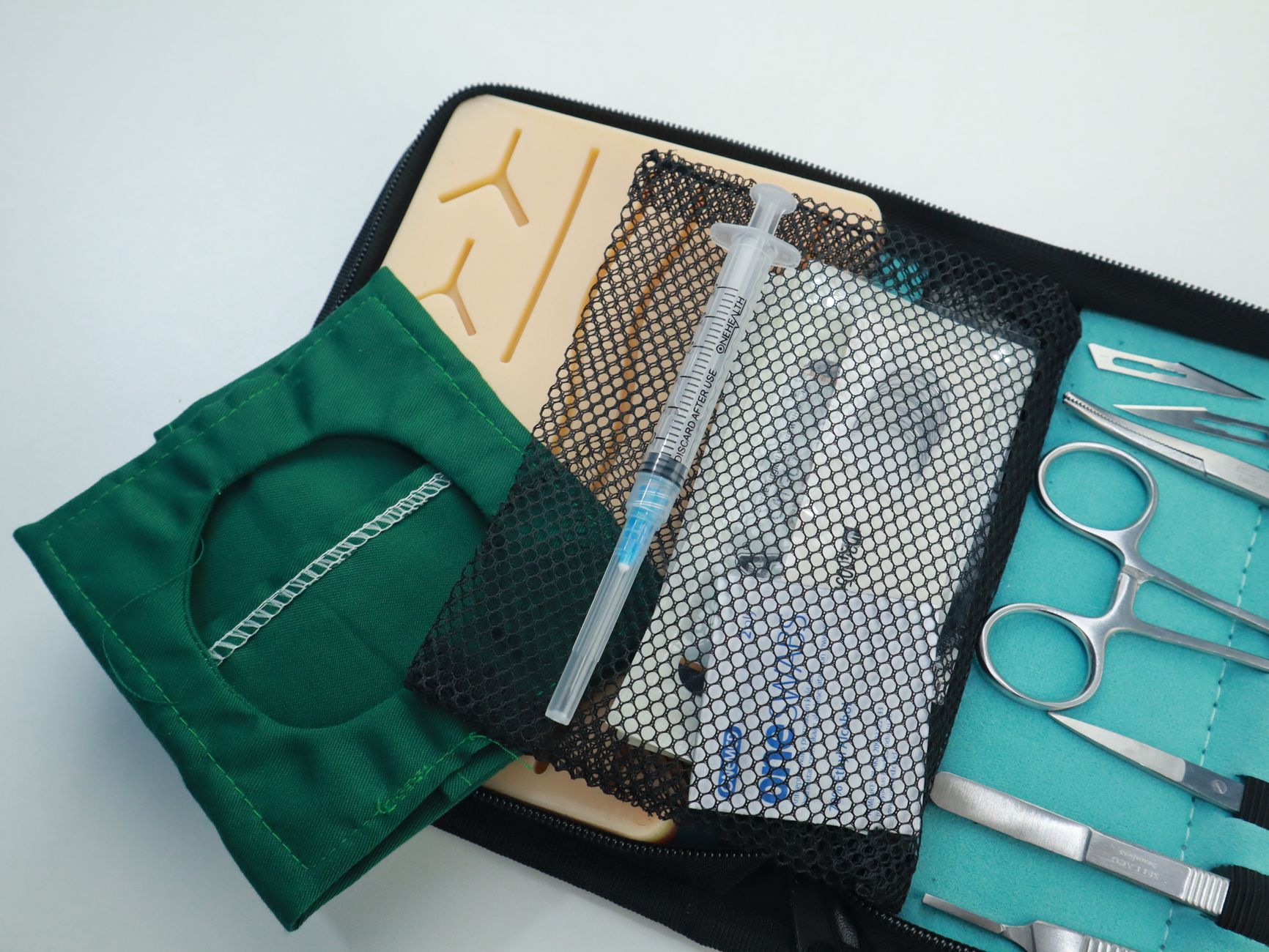
Master surgical instrument handling with simulation training to improve precision, confidence, and patient safety in the operating room.
# How to Practice Surgical Instrument Handling Through Simulation
Surgical instrument handling is a fundamental skill for every surgeon. Mastery of this skill not only improves operative efficiency but also enhances patient safety and surgical outcomes. Simulation-based training offers a risk-free environment to develop and refine these skills before entering the operating room.
Why Focus on Surgical Instrument Handling?
- Precision and Dexterity: Proper handling reduces tissue trauma and improves surgical precision.
- Efficiency: Familiarity with instruments speeds up procedures.
- Safety: Correct use minimizes risks of injury to patients and surgical staff.
Benefits of Simulation in Surgical Instrument Training
Simulation provides a controlled, repeatable, and safe environment to practice:
- Hands-on experience without patient risk
- Immediate feedback and performance metrics
- Ability to practice rare or complex scenarios
- Development of muscle memory and hand-eye coordination
Types of Surgical Simulation for Instrument Handling
1. Low-Fidelity Models:
- Basic bench models or synthetic tissues
- Useful for early skill acquisition
2. High-Fidelity Virtual Reality (VR) Simulators:
- Provide realistic tactile feedback
- Allow practice of complex instrument maneuvers
3. Cadaveric and Animal Models:
- Offer realistic anatomy and tissue handling
- Used for advanced training
Step-by-Step Guide to Practicing Instrument Handling Through Simulation
### 1. Understand the Instruments
- Study the names, purposes, and mechanics of common surgical instruments.
- Learn how each instrument should be held and manipulated.
### 2. Start with Basic Handling Skills
- Practice picking up and passing instruments smoothly.
- Work on proper grip techniques (e.g., pencil grip, palm grip).
- Focus on hand positioning and finger placement.
### 3. Use Simulation Modules Focused on Instrument Handling
- Engage in simulation tasks that require precise instrument use.
- Perform exercises such as suturing, cutting, and tissue manipulation.
### 4. Incorporate Feedback and Assessment
- Utilize simulators with built-in feedback on force, angle, and timing.
- Review recorded sessions to identify areas for improvement.
### 5. Gradually Increase Complexity
- Progress to simulations involving multiple instruments and coordinated tasks.
- Practice instrument exchanges and teamwork scenarios.
### 6. Repetition and Consistency
- Schedule regular simulation sessions to build muscle memory.
- Set measurable goals and track progress over time.
Tips for Maximizing Simulation Training
- Focus on Quality Over Quantity: Prioritize deliberate practice with attention to technique.
- Simulate Realistic Scenarios: Mimic operating room conditions to enhance transferability.
- Engage in Peer Learning: Practice with colleagues to exchange tips and simulate teamwork.
- Use Video Review: Analyze your technique to self-correct and improve.
Common Challenges and How to Overcome Them
| Challenge | Solution | |------------------------------|-----------------------------------------------| | Difficulty maintaining grip | Practice grip exercises and adjust hand position| | Lack of tactile feedback | Use high-fidelity simulators or supplement with physical models| | Fatigue during prolonged practice | Take breaks and build endurance gradually| | Instrument familiarity gaps | Study instrument manuals and attend workshops|
Conclusion
Simulation-based practice is an invaluable tool for mastering surgical instrument handling. By incorporating structured simulation training into your surgical education, you can enhance your technical skills, improve operative efficiency, and ultimately contribute to better patient outcomes.
---
Remember: Consistent practice, feedback, and gradual skill progression are key to becoming proficient in surgical instrument handling through simulation.