How to Practice Surgery Online Before Entering the Operating Room
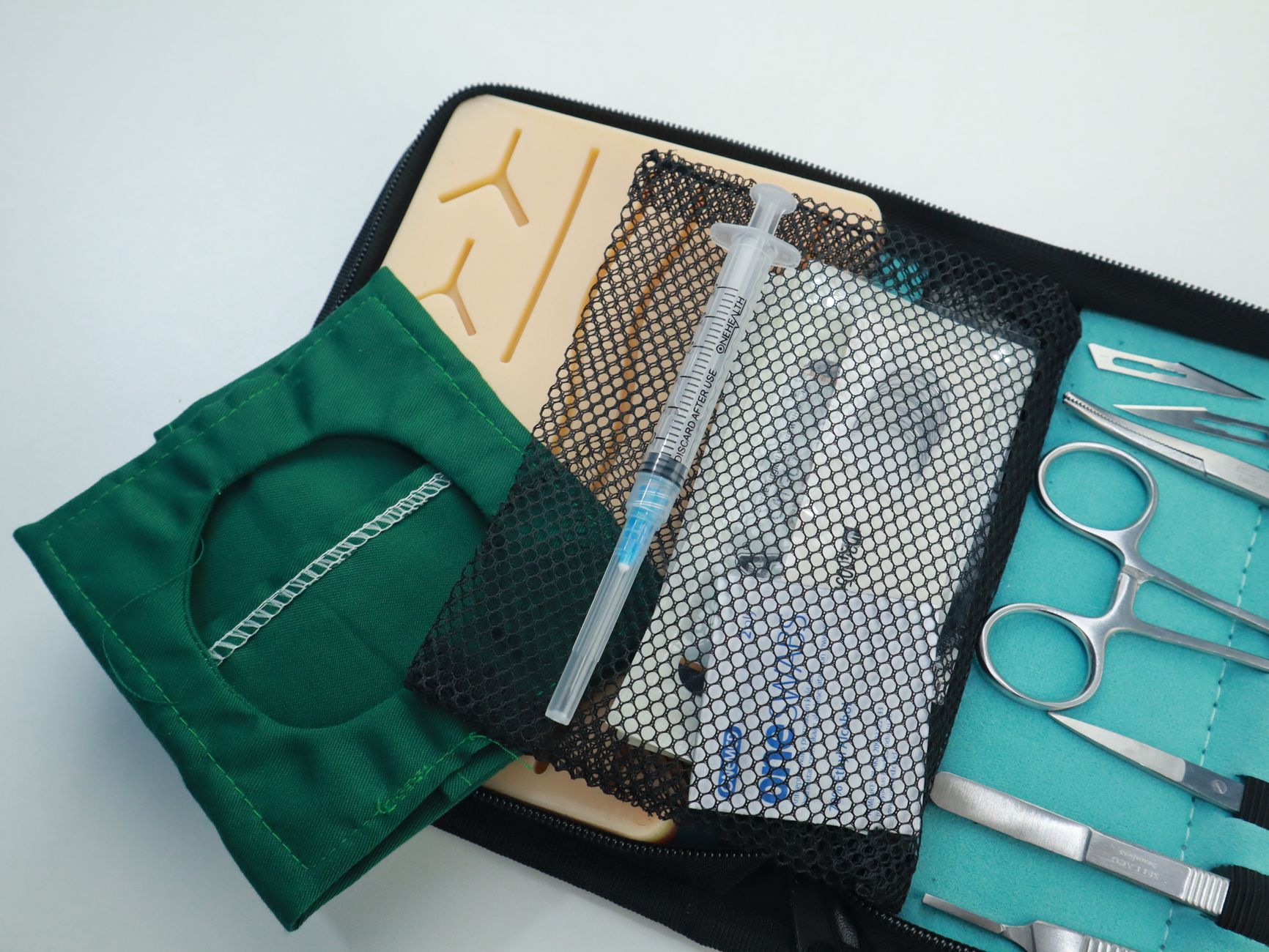
Discover effective strategies to practice surgery online and enhance your skills before performing in the operating room.
# How to Practice Surgery Online Before Entering the Operating Room
Surgical training has evolved significantly with the integration of technology. For medical residents and surgical trainees, practicing surgery online offers a safe, accessible, and effective way to build skills before stepping into the operating room (OR). This article explores practical methods and tools to optimize your online surgical practice.
Why Practice Surgery Online?
- Risk-free environment: Allows repeated practice without patient risk.
- Skill refinement: Enhances hand-eye coordination, decision-making, and procedural knowledge.
- Accessibility: Practice anytime, anywhere, overcoming OR scheduling limitations.
- Immediate feedback: Many platforms provide performance metrics and guidance.
Key Components of Online Surgical Practice
### 1. Virtual Surgical Simulators
Virtual simulators replicate surgical procedures using 3D models and haptic feedback devices. They help develop technical skills such as suturing, knot tying, and laparoscopic maneuvers.
- Types:
- Basic task trainers
- Procedure-specific simulators
- Full OR environment simulations
- Benefits:
- Realistic tactile sensations
- Scenario variability
- Performance tracking
### 2. Video-Based Learning
Watching high-quality surgical videos complements hands-on practice by:
- Demonstrating step-by-step techniques
- Highlighting common pitfalls
- Explaining anatomy and instrumentation
### 3. Interactive Case Studies and Quizzes
Engaging with clinical scenarios online enhances critical thinking and decision-making skills. These tools often include:
- Diagnostic challenges
- Treatment planning
- Complication management
### 4. Peer and Mentor Feedback
Participating in online forums or virtual workshops allows for:
- Constructive critique
- Sharing best practices
- Networking with experienced surgeons
Steps to Effectively Practice Surgery Online
### Step 1: Choose the Right Platform
Select a reputable surgical simulation platform that offers:
- Evidence-based content
- Variety of procedures
- User-friendly interface
- Feedback mechanisms
### Step 2: Set Clear Learning Objectives
Define what you want to achieve, such as:
- Mastering laparoscopic suturing
- Improving speed and accuracy
- Understanding anatomy for a specific procedure
### Step 3: Schedule Regular Practice Sessions
Consistency is key. Allocate dedicated time slots for online practice to build muscle memory and confidence.
### Step 4: Combine Modalities
Use a mix of simulators, videos, and quizzes to reinforce learning and address different skill areas.
### Step 5: Reflect and Track Progress
Review performance data and self-assess to identify strengths and areas needing improvement.
### Step 6: Seek Feedback
Engage with mentors or peers to gain insights and refine techniques.
Tips for Maximizing Online Surgical Practice
- Start with basic skills: Build foundational techniques before advancing.
- Simulate real OR conditions: Practice under timed conditions or with distractions.
- Stay updated: Use platforms that regularly update content to reflect current standards.
- Integrate with clinical training: Apply online learning to real-life cases when possible.
Challenges and Considerations
- Technical limitations: Some simulators require specific hardware.
- Cost: High-fidelity simulators may have subscription fees.
- Learning curve: Initial setup and navigation may require orientation.
Conclusion
Online surgical practice is an invaluable adjunct to traditional training. By leveraging virtual simulators, educational videos, and interactive cases, surgical trainees can enhance their technical skills and clinical judgment in a controlled, risk-free environment. Consistent, structured practice paired with feedback will prepare you to perform confidently and competently in the operating room.
---
Remember: Online practice complements but does not replace hands-on experience under supervision in the OR.