How to Learn Port Placement Through Surgical Simulation
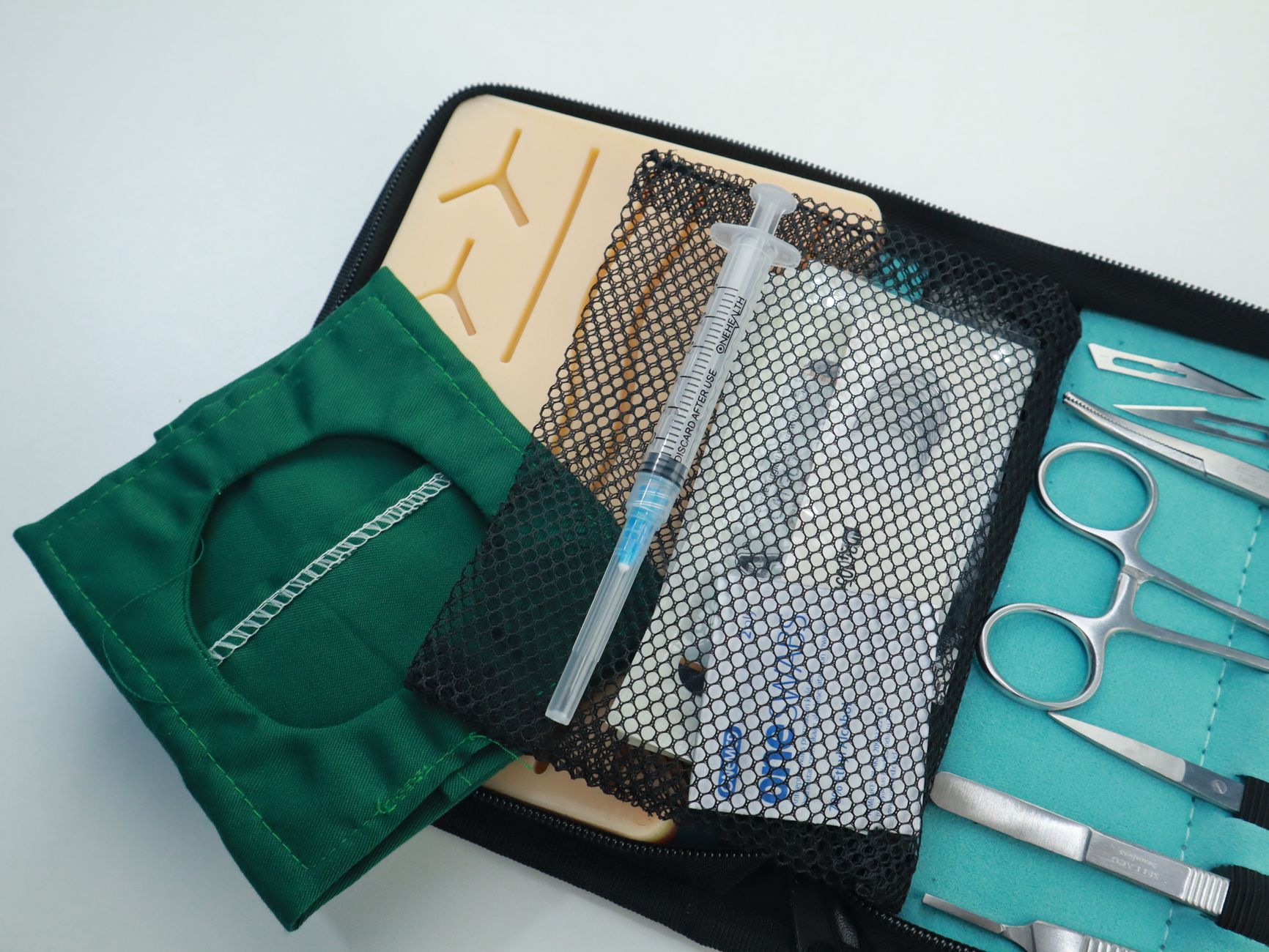
Master port placement techniques efficiently using surgical simulation to enhance skills, reduce errors, and improve patient outcomes.
# How to Learn Port Placement Through Surgical Simulation
Port placement is a critical skill in minimally invasive surgery, directly impacting operative success and patient safety. Surgical simulation offers a risk-free environment to develop and refine this technique. This article explores effective strategies for learning port placement through surgical simulation, highlighting key principles, practical tips, and educational benefits.
Understanding the Importance of Port Placement
Port placement determines the surgeon’s access, ergonomics, and instrument maneuverability during laparoscopic or robotic procedures. Poor placement can lead to:
- Limited visualization
- Instrument collisions
- Increased operative time
- Patient complications such as bleeding or organ injury
Mastering port placement is essential for surgical residents aiming to perform safe and efficient minimally invasive surgeries.
Advantages of Surgical Simulation for Port Placement
Simulation-based training provides several benefits:
- Risk-free practice: Trainees can learn without patient harm.
- Repetitive skill development: Allows repeated attempts to perfect technique.
- Immediate feedback: Some simulators offer performance metrics.
- Varied scenarios: Exposure to different anatomies and pathologies.
Types of Surgical Simulators for Port Placement
1. Virtual Reality (VR) Simulators: Computer-generated environments replicating anatomy and instrument handling. 2. Physical Box Trainers: Real instruments used on synthetic or animal tissue models. 3. Hybrid Simulators: Combine VR with physical components for enhanced realism.
Each type offers unique advantages; combining modalities can optimize learning.
Step-by-Step Guide to Learning Port Placement Using Simulation
### 1. Learn Anatomical Landmarks
- Review relevant anatomy: abdominal wall layers, underlying organs, and vascular structures.
- Identify safe zones for port insertion to minimize injury risk.
### 2. Understand Procedure-Specific Requirements
- Different surgeries require distinct port configurations (e.g., cholecystectomy vs. colorectal surgery).
- Study standard port placement patterns and rationale.
### 3. Start with Basic Simulation Exercises
- Use box trainers to practice trocar insertion angles and depths.
- Focus on hand-eye coordination and instrument handling.
### 4. Progress to Complex Scenarios
- Use VR simulators to simulate variations in patient anatomy.
- Practice adapting port placement in challenging situations.
### 5. Receive and Incorporate Feedback
- Utilize simulator metrics such as insertion time, accuracy, and instrument collisions.
- Seek mentorship and peer review to identify areas for improvement.
### 6. Integrate Simulation with Clinical Observation
- Observe experienced surgeons performing port placement.
- Correlate simulation practice with real-world techniques.
Tips for Effective Simulation Training
- Set clear learning goals: Define specific skills to master in each session.
- Practice regularly: Consistency improves retention and skill acquisition.
- Simulate full procedures: Incorporate port placement into entire surgical workflows.
- Reflect on performance: Maintain a training log to track progress.
Challenges and Solutions
| Challenge | Solution | |---------------------------------|-------------------------------------------| | Limited simulator availability | Use portable box trainers or online modules | | Lack of feedback | Record sessions for self-review or mentor feedback | | Simulation realism | Combine VR and physical models for better fidelity |
Conclusion
Learning port placement through surgical simulation is an effective strategy for surgical residents to build confidence, reduce errors, and improve operative outcomes. By combining anatomical knowledge, procedural understanding, and hands-on practice in simulated environments, trainees can develop proficiency before performing on patients. Regular, structured simulation training should be an integral part of surgical education programs.
---
Enhance your minimally invasive surgery skills by incorporating surgical simulation into your training regimen today.