How to Improve Surgical Skills Through Online Simulation
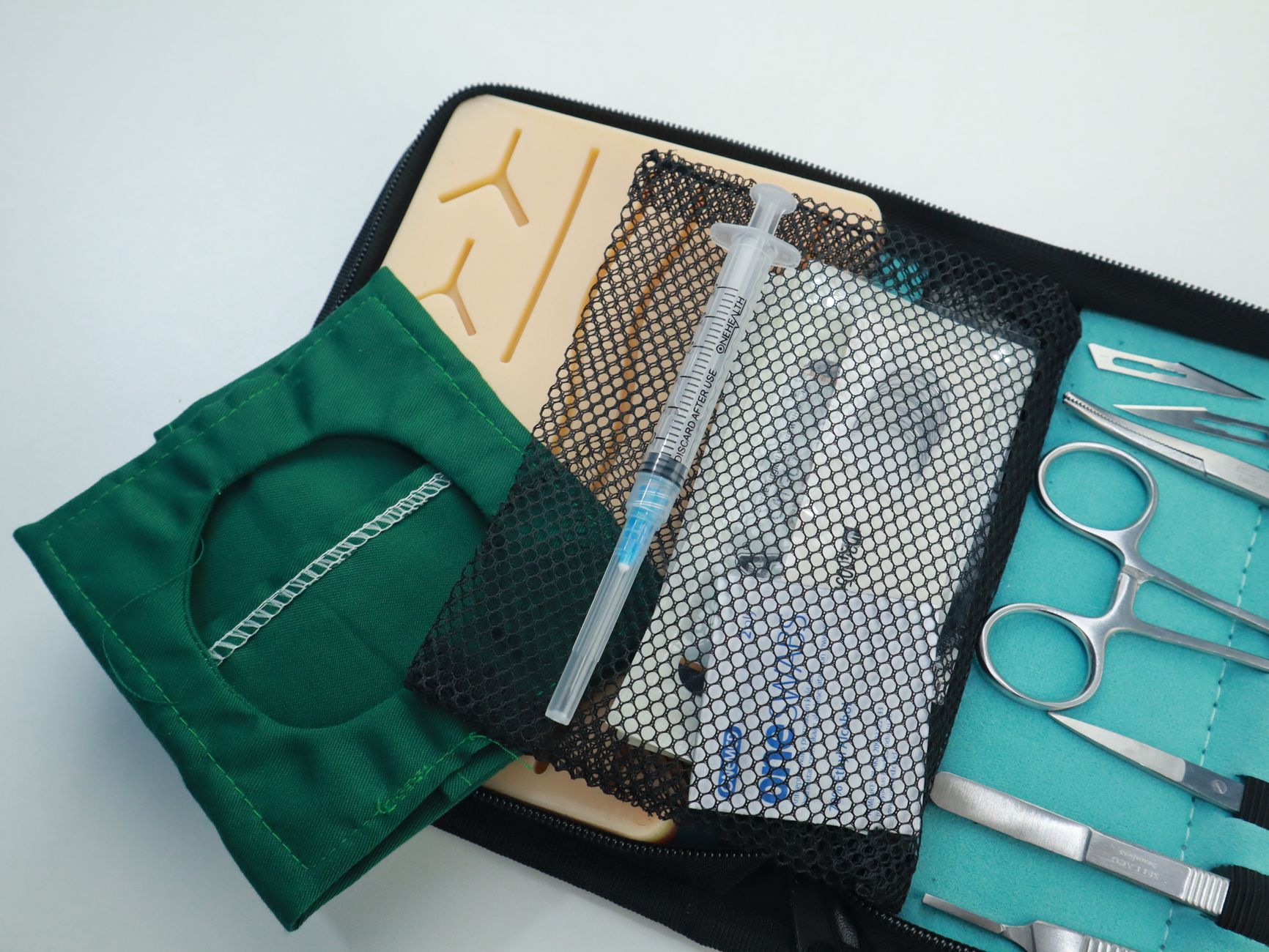
Discover effective strategies to enhance surgical skills using online simulation platforms for better training and patient outcomes.
# How to Improve Surgical Skills Through Online Simulation
Surgical proficiency is critical for patient safety and successful outcomes. Traditionally, surgical training has relied heavily on hands-on experience in the operating room (OR) under supervision. However, with advancements in technology and the increasing availability of online simulation platforms, surgical residents and practitioners can now supplement their training in innovative ways.
This article explores how to improve surgical skills through online simulation, highlighting its benefits, effective strategies, and best practices.
Benefits of Online Surgical Simulation
Online surgical simulation offers a range of advantages that complement traditional training:
- Safe Learning Environment: Trainees can practice complex procedures without risk to patients.
- Repetition and Mastery: Simulations allow repeated practice to build muscle memory and confidence.
- Immediate Feedback: Many platforms provide real-time performance metrics and feedback.
- Accessibility: Training can be accessed anytime and anywhere, facilitating flexible learning.
- Cost-Effectiveness: Reduces the need for physical resources and OR time.
Types of Online Surgical Simulations
Understanding the different types of simulations helps tailor training to specific needs:
- Virtual Reality (VR) Simulators: Immersive 3D environments replicating the OR experience.
- Web-Based Simulations: Interactive modules focusing on decision-making and procedural steps.
- Video-Based Learning: High-quality surgical videos with annotations and quizzes.
- Augmented Reality (AR) Tools: Overlay of digital information on real-world views for enhanced learning.
Strategies to Maximize Skill Improvement
To effectively improve surgical skills through online simulation, consider the following strategies:
### 1. Set Clear Learning Objectives
Define specific goals such as mastering a particular procedure, improving hand-eye coordination, or enhancing decision-making skills. Clear objectives guide focused practice.
### 2. Incorporate Regular Practice Sessions
Consistency is key. Schedule frequent simulation sessions to reinforce skills and track progress over time.
### 3. Utilize Performance Metrics
Leverage platforms that provide quantitative feedback on metrics like precision, speed, and error rates. Use this data to identify areas for improvement.
### 4. Engage in Deliberate Practice
Focus on challenging aspects of procedures rather than routine steps. Deliberate practice targets weaknesses and accelerates skill acquisition.
### 5. Combine Simulation with Didactic Learning
Supplement simulations with lectures, readings, and case discussions to deepen understanding of surgical anatomy and techniques.
### 6. Participate in Peer Review and Mentorship
Share simulation results with mentors or peers for constructive feedback and guidance.
### 7. Reflect and Self-Assess
Maintain a learning journal to document experiences, challenges, and improvements. Reflection enhances retention and self-awareness.
Best Practices for Using Online Simulation Platforms
- Choose Accredited Platforms: Select reputable simulation tools validated by surgical education bodies.
- Ensure Technical Readiness: Use compatible hardware and stable internet connections for seamless experience.
- Customize Training Modules: Tailor simulations to your specialty and skill level.
- Stay Updated: Regularly update software to access new features and content.
Challenges and Considerations
While online simulation is valuable, be mindful of limitations:
- Lack of Tactile Feedback: Some platforms may not fully replicate the tactile sensations of surgery.
- Potential Overreliance: Simulation should complement, not replace, real-life surgical experience.
- Cost and Access: High-quality simulators may require investment and institutional support.
Conclusion
Online surgical simulation is a powerful tool for enhancing surgical skills in a controlled, flexible, and efficient manner. By integrating simulation into a comprehensive training program with clear objectives, regular practice, feedback, and mentorship, surgical residents can accelerate their learning curve and improve patient care outcomes.
Embracing these technologies and strategies will prepare the next generation of surgeons to meet the evolving demands of modern healthcare.
---
*Start leveraging online surgical simulation today to elevate your surgical expertise.*