How to Improve Hand-Eye Coordination Through Surgical Simulation
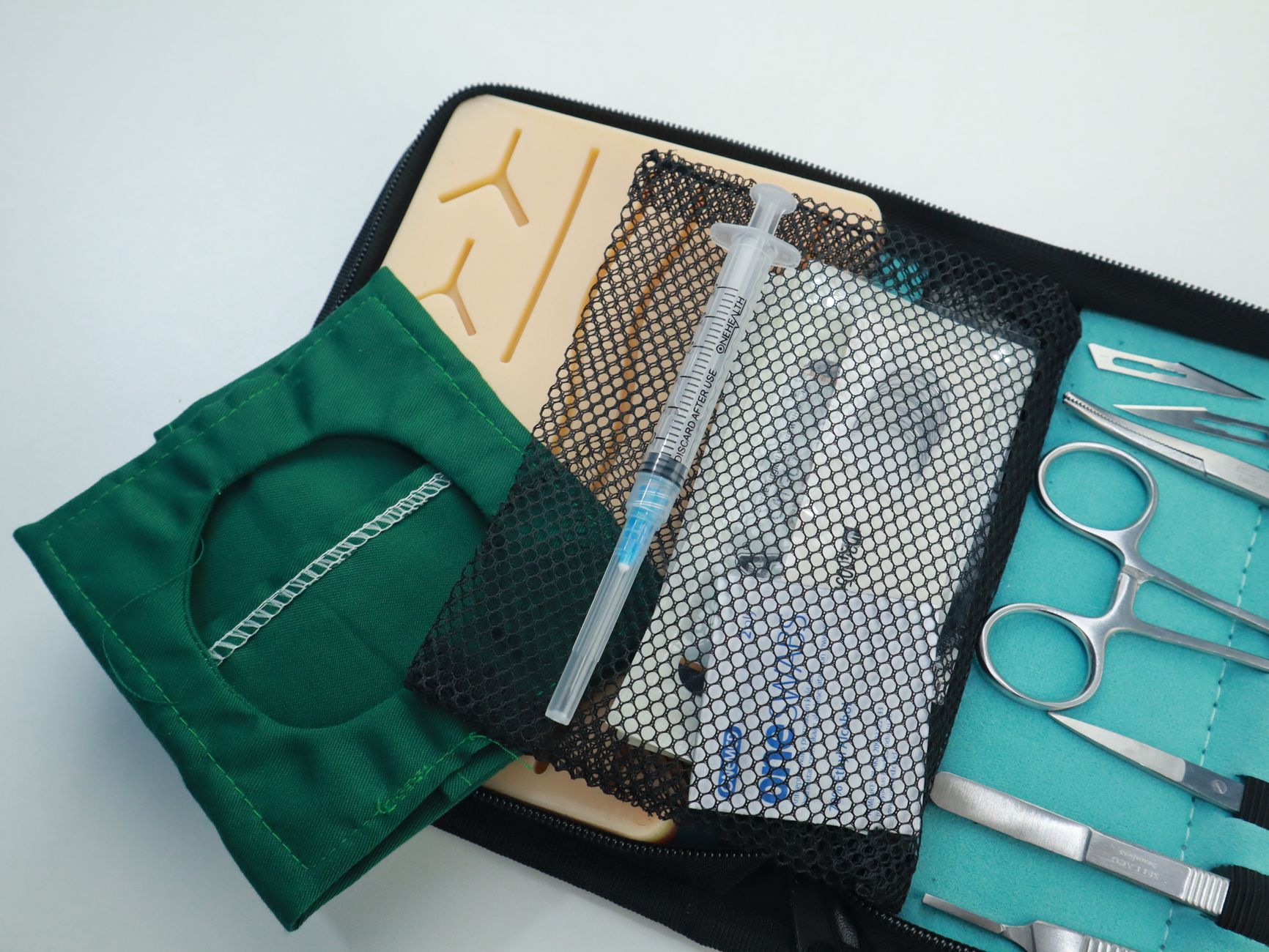
Enhance your surgical skills by improving hand-eye coordination using targeted surgical simulation techniques and training strategies.
# How to Improve Hand-Eye Coordination Through Surgical Simulation
Hand-eye coordination is a critical skill for surgeons, directly impacting precision, efficiency, and patient outcomes. Developing this skill requires deliberate practice and targeted training. Surgical simulation offers a controlled, risk-free environment to enhance hand-eye coordination before performing procedures on patients.
Understanding Hand-Eye Coordination in Surgery
Hand-eye coordination refers to the ability to synchronize visual input with hand movements. In surgery, this skill enables precise instrument manipulation, delicate tissue handling, and accurate navigation within complex anatomical structures.
Key components include:
- Visual perception: Accurately interpreting the surgical field.
- Motor control: Executing fine, controlled movements.
- Spatial awareness: Understanding instrument position relative to anatomy.
Benefits of Surgical Simulation for Hand-Eye Coordination
Simulation-based training provides numerous advantages:
- Safe learning environment: Practice without risk to patients.
- Repetitive drills: Reinforce muscle memory.
- Immediate feedback: Identify and correct errors.
- Varied scenarios: Exposure to diverse surgical challenges.
Types of Surgical Simulators for Hand-Eye Coordination
### 1. Virtual Reality (VR) Simulators
- Immersive 3D environments replicating surgical anatomy.
- Real-time instrument tracking.
- Haptic feedback to simulate tissue resistance.
### 2. Box Trainers
- Physical platforms with ports for laparoscopic instruments.
- Tasks include peg transfer, pattern cutting, and suturing.
### 3. Augmented Reality (AR) Simulators
- Overlay digital images onto physical models.
- Enhance spatial understanding.
### 4. Robotic Surgery Simulators
- Mimic robotic console controls.
- Develop coordination with robotic instruments.
Effective Strategies to Improve Hand-Eye Coordination
### Structured Practice Sessions
- Schedule regular, focused simulation sessions.
- Start with basic tasks, progressively increase complexity.
### Task-Specific Drills
- Peg transfer: Move objects between locations efficiently.
- Pattern cutting: Follow intricate outlines precisely.
- Suturing: Practice needle handling and knot tying.
### Use of Feedback and Metrics
- Utilize simulator metrics such as time, accuracy, and economy of motion.
- Review performance data to identify weaknesses.
### Incorporate Multisensory Training
- Engage tactile, visual, and proprioceptive senses.
- Use simulators with haptic feedback for realistic tissue feel.
### Cross-Training Activities
- Engage in activities like video games or musical instruments to enhance coordination.
- These can complement surgical simulation training.
Monitoring Progress and Maintaining Skills
- Maintain a training log documenting sessions and improvements.
- Periodically reassess skills with standardized simulation tests.
- Continue practice even after clinical proficiency to prevent skill decay.
Challenges and Solutions
| Challenge | Solution | |-------------------------------|-----------------------------------------------| | Simulator accessibility | Utilize portable or low-cost box trainers | | Motivation to practice regularly| Set goals and track progress | | Transfer of skills to OR | Combine simulation with supervised clinical practice |
Conclusion
Improving hand-eye coordination through surgical simulation is essential for developing surgical proficiency. By leveraging various simulation modalities and structured training strategies, residents can enhance their technical skills in a safe, effective manner.
---
Remember: Consistent practice, feedback, and gradual progression are key to mastering hand-eye coordination in surgery.