How Technology Can Identify a Surgeon's Weaknesses
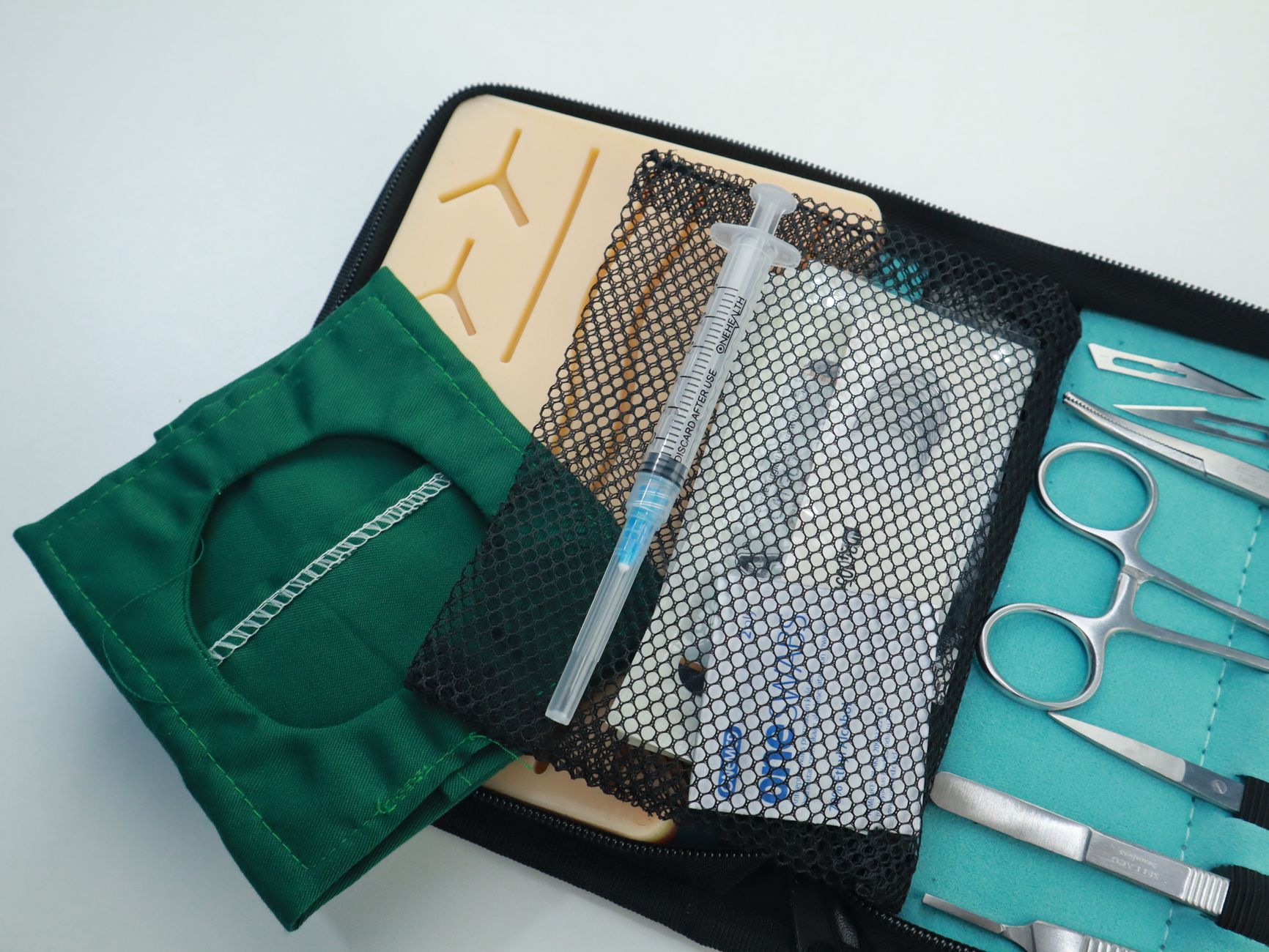
Explore how advanced technology helps identify and improve a surgeon's weaknesses to enhance surgical skills and patient outcomes.
# How Technology Can Identify a Surgeon's Weaknesses
Surgical proficiency is critical for patient safety and optimal outcomes. Traditionally, surgical skills have been assessed through direct observation, peer reviews, and self-reflection. However, recent advances in technology have introduced innovative methods to objectively identify a surgeon's weaknesses, enabling targeted improvements and enhanced training.
The Importance of Identifying Weaknesses in Surgery
- Patient Safety: Recognizing and addressing areas of weakness reduces surgical errors and complications.
- Skill Development: Targeted feedback accelerates learning and skill acquisition.
- Standardization: Objective assessments promote consistent surgical quality across practitioners.
Technologies Enhancing Surgical Skill Assessment
### 1. Simulation-Based Training Platforms
Simulation platforms replicate surgical procedures in a controlled environment, allowing surgeons to practice without risk to patients. These systems often include metrics to evaluate performance such as:
- Time taken to complete tasks
- Precision of movements
- Error rates
- Instrument handling
### 2. Motion Tracking and Analysis
Advanced sensors and cameras capture the surgeon's hand and instrument movements during procedures. Analysis of this data can reveal:
- Inefficient or erratic movements
- Delays in critical steps
- Inconsistent technique
### 3. Video Review with Automated Feedback
Recording surgeries enables detailed review. Emerging software tools analyze videos to detect:
- Deviations from standard protocols
- Unnecessary tissue handling
- Suboptimal instrument positioning
### 4. Cognitive Task Analysis
Beyond physical skills, cognitive aspects such as decision-making and situational awareness are crucial. Technology-assisted assessments can evaluate:
- Response times to unexpected events
- Accuracy of intraoperative decisions
- Adherence to surgical checklists
Benefits of Objective Weakness Identification
- Personalized Training: Tailors educational programs to individual needs.
- Continuous Improvement: Facilitates ongoing skill refinement throughout a surgeon’s career.
- Enhanced Credentialing: Supports competency-based certification and re-certification.
Implementing Technology in Surgical Education
To maximize benefits, institutions should consider:
- Integrating technology-based assessments into residency and fellowship programs.
- Combining objective data with expert mentorship.
- Encouraging a culture of openness to feedback and continuous learning.
Challenges and Considerations
- Data Privacy: Ensuring confidentiality of performance data.
- Cost: Investment in advanced technologies can be substantial.
- Acceptance: Surgeons may be resistant to new evaluation methods.
Future Directions
Continued advancements promise even more precise and comprehensive assessments, including:
- Real-time intraoperative feedback systems.
- Integration with electronic health records for outcome correlation.
- Enhanced virtual reality environments for immersive training.
---
By leveraging technology to identify and address weaknesses, surgical education can evolve towards higher standards of excellence, ultimately improving patient care and surgical outcomes.