How Surgical Simulators Help Reduce Operating Room Errors
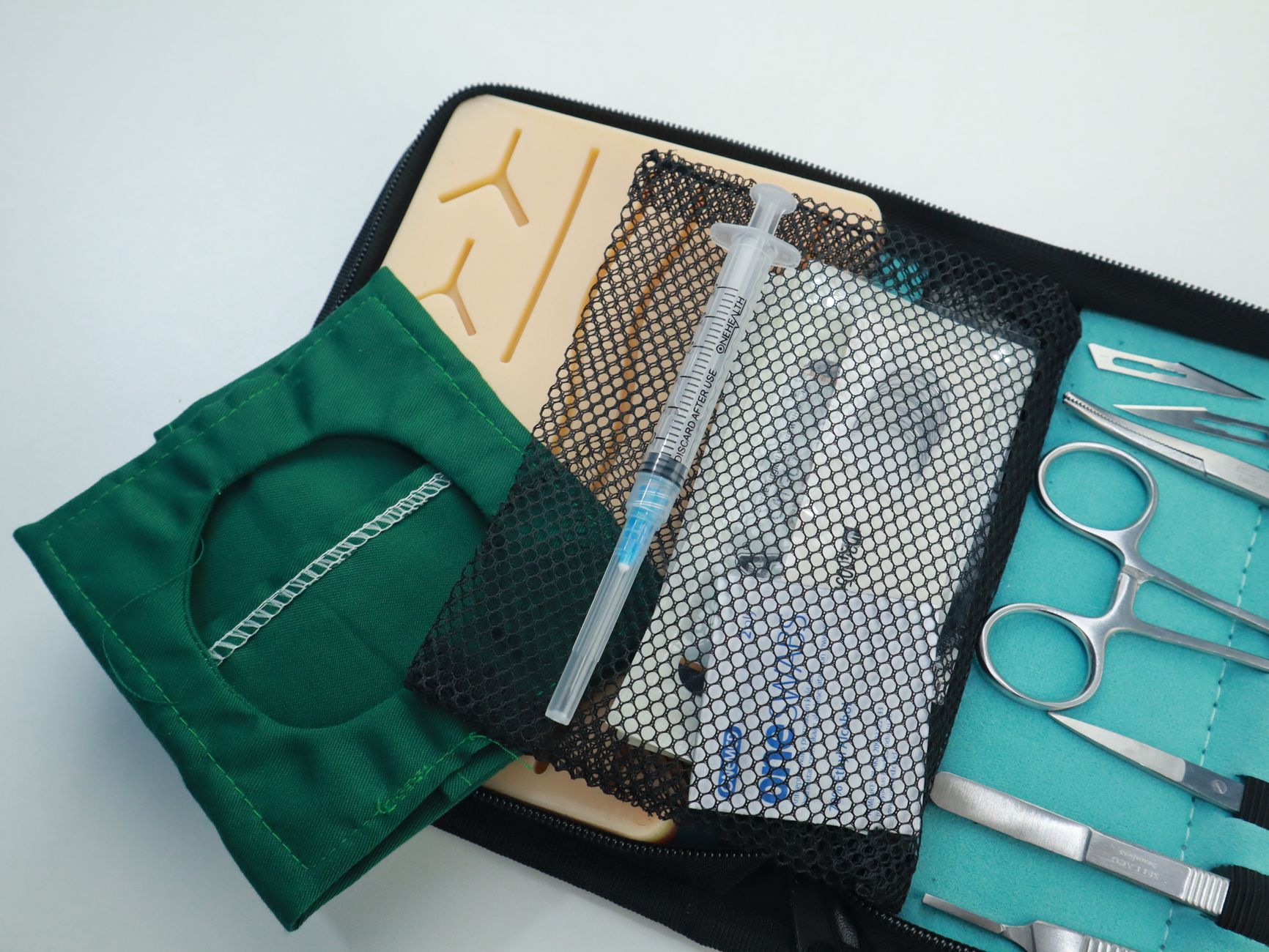
Discover how surgical simulators enhance training and reduce errors in the operating room, improving patient safety and surgical outcomes.
# How Surgical Simulators Help Reduce Operating Room Errors
Surgical errors can have significant consequences for patient safety, recovery, and overall healthcare outcomes. As surgical techniques become increasingly complex, the demand for effective training tools that enhance surgeon skills and reduce errors continues to grow. Surgical simulators have emerged as a powerful solution to bridge the gap between theoretical knowledge and real-world surgical proficiency.
Understanding Surgical Simulators
Surgical simulators are advanced training platforms that replicate the operating room environment and various surgical procedures. They allow residents and practicing surgeons to practice techniques, develop hand-eye coordination, and improve decision-making skills without risk to patients.
Simulators range from basic models focusing on specific tasks to high-fidelity virtual reality (VR) systems that mimic entire procedures with realistic anatomy and tactile feedback.
The Impact of Surgical Simulators on Error Reduction
### 1. Enhanced Skill Acquisition
- Hands-on Practice: Simulators provide repeated practice opportunities, enabling surgeons to refine techniques before performing on patients.
- Safe Learning Environment: Trainees can make and learn from mistakes without adverse consequences.
- Standardized Training: Ensures consistent exposure to critical steps and rare scenarios.
### 2. Improved Cognitive and Technical Skills
- Decision-Making: Simulators often include scenarios requiring quick judgment, improving intraoperative decision-making.
- Hand-Eye Coordination: Repetitive practice enhances dexterity and instrument handling.
- Situational Awareness: Simulated emergencies help surgeons recognize and respond to complications promptly.
### 3. Reduction of Intraoperative Errors
- Error Recognition and Correction: Training on simulators helps identify common pitfalls and develop strategies to avoid them.
- Confidence Building: Surgeons with simulator experience tend to perform procedures more confidently and accurately.
### 4. Team Training and Communication
Some simulators support multidisciplinary team training, improving communication and coordination in the operating room, which is critical to preventing errors.
Types of Surgical Simulators
- Virtual Reality (VR) Simulators: Provide immersive 3D environments with haptic feedback.
- Augmented Reality (AR) Simulators: Overlay digital information on physical models.
- Physical Models and Task Trainers: Focus on specific skills like suturing or laparoscopic navigation.
Evidence Supporting Simulator Use
Studies have demonstrated that surgeons trained with simulators show:
- Lower rates of intraoperative complications.
- Shorter operative times.
- Improved patient outcomes.
Integrating Simulators into Surgical Training
- Curriculum Development: Incorporate simulation modules aligned with residency milestones.
- Assessment Tools: Use simulators for objective skill evaluation.
- Continuous Learning: Encourage ongoing practice to maintain proficiency.
Challenges and Future Directions
- Cost and Accessibility: High-fidelity simulators can be expensive; expanding access is essential.
- Technological Advances: Continued innovation will improve realism and training effectiveness.
Conclusion
Surgical simulators play a pivotal role in reducing operating room errors by enhancing technical skills, decision-making, and team coordination. Their integration into surgical education promotes safer procedures and better patient outcomes, making them indispensable tools in modern surgical training.
---
Key Takeaways:
- Simulators offer risk-free, repetitive practice.
- They improve both technical and cognitive surgical skills.
- Simulator-trained surgeons demonstrate fewer errors.
- Team-based simulation enhances communication.
- Ongoing advancements will further optimize surgical education.