How Surgical Simulators Can Recreate High-Risk Scenarios for Enhanced Training
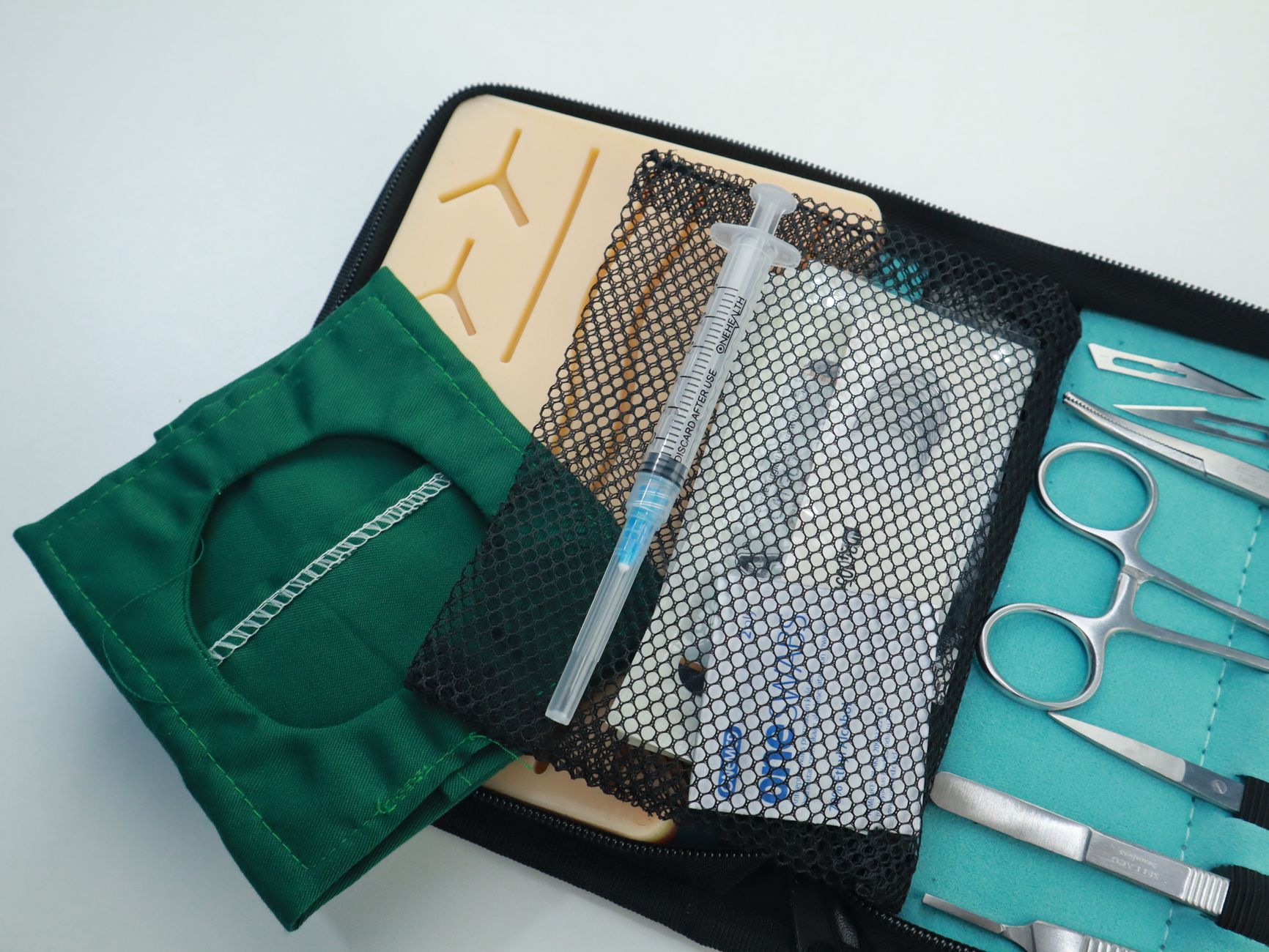
Explore how surgical simulators replicate high-risk scenarios, improving resident preparedness and patient safety through realistic, hands-on training.
# How Surgical Simulators Can Recreate High-Risk Scenarios for Enhanced Training
Surgical training has evolved significantly over the past decades, moving beyond traditional apprenticeship models to incorporate advanced simulation technologies. Among these, surgical simulators stand out as powerful tools that allow residents and surgeons to practice complex procedures in a controlled, risk-free environment. One of the most critical advantages of surgical simulators is their ability to recreate high-risk scenarios that are rare but potentially catastrophic in real life.
The Importance of High-Risk Scenario Training
High-risk scenarios in surgery often involve unexpected complications such as massive hemorrhage, airway obstruction, or sudden cardiac events. These situations require rapid decision-making, precise technical skills, and effective team communication. However, due to their infrequent nature, many trainees may not encounter these events during their clinical rotations, limiting their preparedness.
Training on high-risk scenarios is essential because:
- It enhances cognitive and technical skills under pressure.
- It improves crisis resource management and teamwork.
- It reduces the likelihood of errors during real surgeries.
- It builds confidence and reduces anxiety when facing emergencies.
How Surgical Simulators Recreate High-Risk Scenarios
Surgical simulators use a combination of hardware and software to mimic the physical and physiological aspects of surgery. Here's how they effectively recreate high-risk situations:
### 1. Realistic Anatomical Models
Simulators incorporate detailed anatomical models that replicate human tissue properties, including texture, elasticity, and response to surgical instruments. This realism allows trainees to experience the tactile feedback of delicate dissections or the resistance encountered during suturing.
### 2. Dynamic Physiological Responses
Advanced simulators integrate physiological parameters such as heart rate, blood pressure, and oxygen saturation. When a trainee makes an error or encounters a complication, the simulator responds dynamically—for example, simulating bleeding or cardiac arrhythmias—forcing the trainee to react appropriately.
### 3. Scenario Customization
Educators can program specific high-risk scenarios tailored to the training objectives. These may include:
- Massive intraoperative hemorrhage
- Airway compromise
- Equipment failure
- Unexpected anatomical variations
Customization ensures that trainees face a wide range of challenges, preparing them for diverse clinical situations.
### 4. Real-Time Feedback and Metrics
Simulators provide immediate feedback on performance metrics such as time to intervention, accuracy, and adherence to protocols. This objective data helps trainees identify areas for improvement and track progress over time.
### 5. Team-Based Simulation
High-risk scenarios often require coordinated team efforts. Surgical simulators support multi-user environments where surgeons, anesthesiologists, and nurses can practice communication and crisis management together.
Benefits of Using Surgical Simulators for High-Risk Scenario Training
- Risk-Free Learning: Trainees can make mistakes without harming patients, fostering a safe learning environment.
- Reproducibility: Scenarios can be repeated multiple times to reinforce skills.
- Accessibility: Simulators allow training outside the operating room, overcoming limitations of clinical exposure.
- Standardization: Ensures consistent training experiences across different institutions.
- Enhanced Confidence: Familiarity with rare complications reduces stress during real emergencies.
Implementing High-Risk Scenario Simulation in Residency Programs
To maximize the benefits, residency programs should consider the following steps:
- Curriculum Integration: Embed simulation sessions into the regular training schedule.
- Scenario Development: Collaborate with clinical experts to design relevant high-risk cases.
- Interdisciplinary Training: Include all members of the surgical team to enhance communication.
- Assessment and Debriefing: Use performance data and structured debriefs to reinforce learning.
- Continuous Updates: Regularly update scenarios to reflect evolving surgical practices and technologies.
Challenges and Future Directions
While surgical simulators offer tremendous advantages, challenges remain:
- Cost: High-fidelity simulators can be expensive to acquire and maintain.
- Technical Limitations: Some physiological responses and tactile sensations are difficult to replicate perfectly.
- User Acceptance: Some trainees and educators may initially resist simulation-based training.
Future advancements aim to improve realism, reduce costs, and integrate virtual and augmented reality to further enhance scenario complexity and immersion.
Conclusion
Surgical simulators play a vital role in preparing residents for high-risk surgical scenarios that are difficult to encounter during routine clinical training. By providing a realistic, controlled, and repeatable environment, these tools improve technical skills, decision-making, and team coordination, ultimately contributing to better patient outcomes. Incorporating high-risk scenario simulation into surgical education is an investment in safer, more competent surgical care.
---
Key Takeaways:
- High-risk surgical scenarios are critical but rare training opportunities.
- Surgical simulators recreate these scenarios with realistic anatomy and dynamic responses.
- Simulation enhances technical skills, crisis management, and team communication.
- Residency programs benefit from integrating simulation-based high-risk scenario training.
- Ongoing advancements promise even greater training effectiveness in the future.