How Surgical Simulation Supports Competency-Based Medical Education
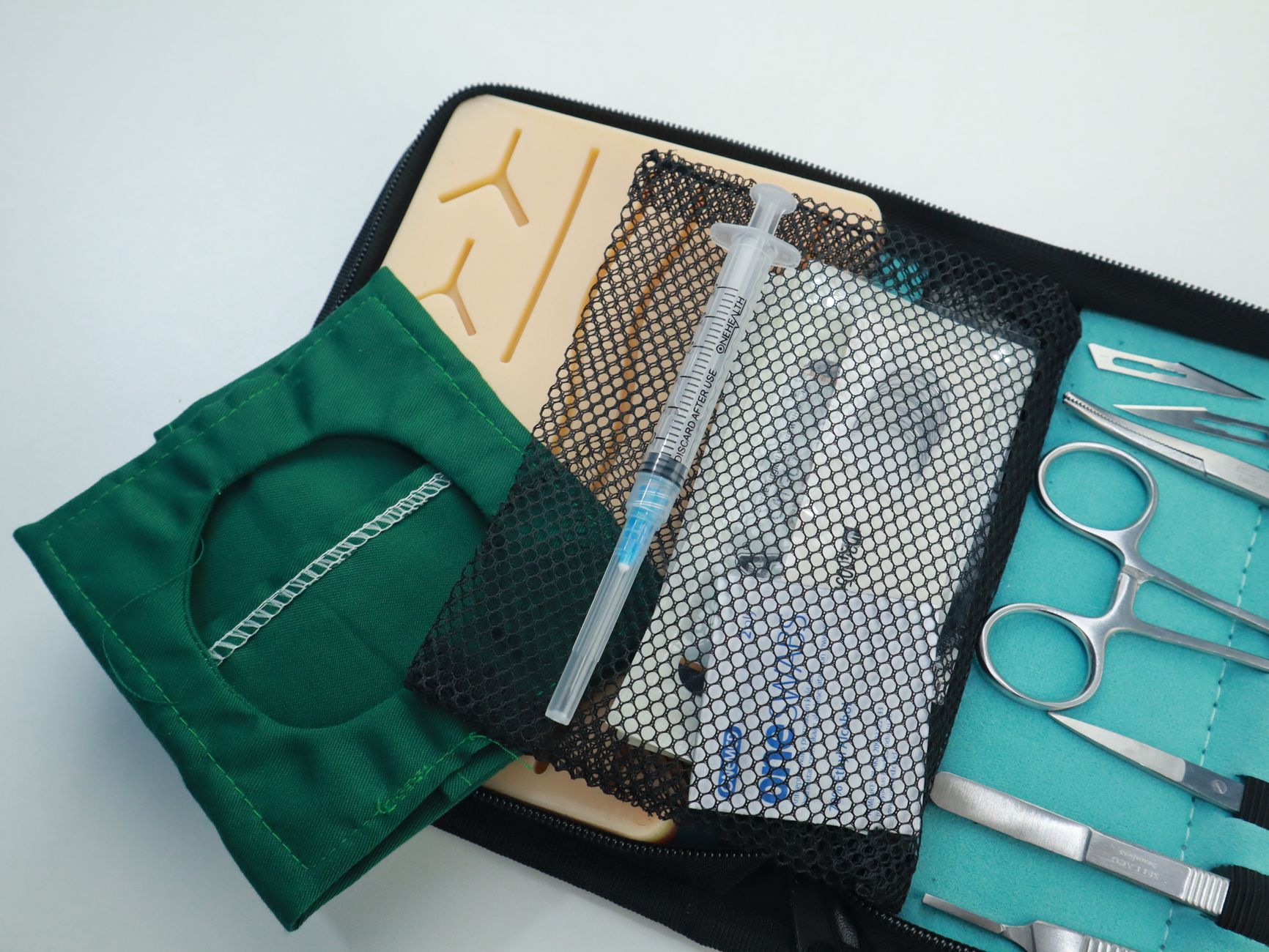
Explore how surgical simulation enhances competency-based medical education by improving skills, assessment, and patient safety in surgical training.
# How Surgical Simulation Supports Competency-Based Medical Education
Competency-Based Medical Education (CBME) has transformed the way surgical training is delivered, focusing on outcomes and mastery of specific skills rather than time-based progression. Surgical simulation plays a pivotal role in this paradigm shift by providing a controlled, reproducible, and safe environment for learners to develop and demonstrate competencies.
Understanding Competency-Based Medical Education (CBME)
CBME emphasizes the acquisition of predefined competencies necessary for independent practice. Unlike traditional models, CBME:
- Focuses on learner outcomes and abilities
- Allows progression upon demonstrated competence
- Encourages individualized learning pathways
- Incorporates frequent formative and summative assessments
This approach demands effective tools for teaching, practice, and evaluation—areas where surgical simulation excels.
The Role of Surgical Simulation in CBME
Surgical simulation encompasses a range of modalities including virtual reality, high-fidelity mannequins, task trainers, and cadaveric models. These tools support CBME by:
### 1. Enhancing Skill Acquisition and Mastery
- Deliberate Practice: Simulation allows repetitive practice of specific surgical tasks without risk to patients.
- Varied Complexity: Trainees can progress from basic skills (e.g., suturing) to complex procedures in a stepwise manner.
- Immediate Feedback: Many simulators provide real-time feedback on performance metrics such as precision, speed, and error rates.
### 2. Objective Competency Assessment
- Standardized Evaluation: Simulation facilitates uniform assessment conditions, reducing variability inherent in clinical settings.
- Performance Metrics: Quantitative data from simulators help objectively measure technical skills.
- Formative and Summative Assessments: Educators can track progress and readiness for clinical responsibilities.
### 3. Improving Patient Safety
- Risk-Free Environment: Trainees can make and learn from mistakes without patient harm.
- Crisis Management Training: Simulations of rare or critical events prepare residents for real-life emergencies.
### 4. Supporting Non-Technical Skills Development
- Teamwork and Communication: Multidisciplinary simulation scenarios enhance collaboration and communication skills.
- Decision-Making: Simulated environments challenge trainees to make timely and effective clinical decisions.
Implementing Surgical Simulation in CBME Curricula
Successful integration requires strategic planning:
- Curriculum Alignment: Simulation activities should map directly to defined competencies.
- Faculty Training: Educators need skills in simulation facilitation and debriefing.
- Resource Allocation: Investment in simulation technology and dedicated time for practice is essential.
- Assessment Frameworks: Develop validated tools to measure competency within simulation.
Challenges and Considerations
While surgical simulation offers numerous benefits, programs must consider:
- Cost and Accessibility: High-fidelity simulators can be expensive and require maintenance.
- Validity and Reliability: Ensuring simulation assessments accurately reflect clinical competence.
- Integration with Clinical Experience: Balancing simulation with supervised real-patient care.
Future Directions
Advancements in simulation technology and educational research continue to enhance CBME:
- Hybrid Simulation Models: Combining virtual and physical simulators for comprehensive training.
- Personalized Learning Analytics: Using data to tailor training to individual needs.
- Interprofessional Simulation: Expanding scenarios to include multidisciplinary teams.
Conclusion
Surgical simulation is a cornerstone of competency-based medical education, offering a dynamic platform for skill development, assessment, and patient safety. By integrating simulation thoughtfully into surgical curricula, educators can better prepare residents for independent practice and improve overall surgical care quality.
---
Key Takeaways:
- CBME focuses on demonstrated competencies rather than time.
- Surgical simulation provides a safe, effective environment for skill mastery.
- Objective assessment through simulation supports progression decisions.
- Simulation enhances both technical and non-technical skills.
- Successful implementation requires curriculum alignment and faculty support.
Embracing surgical simulation within CBME frameworks ultimately fosters competent, confident surgeons ready to meet the demands of modern healthcare.