How Surgical Simulation Can Recreate Real Anatomical Challenges
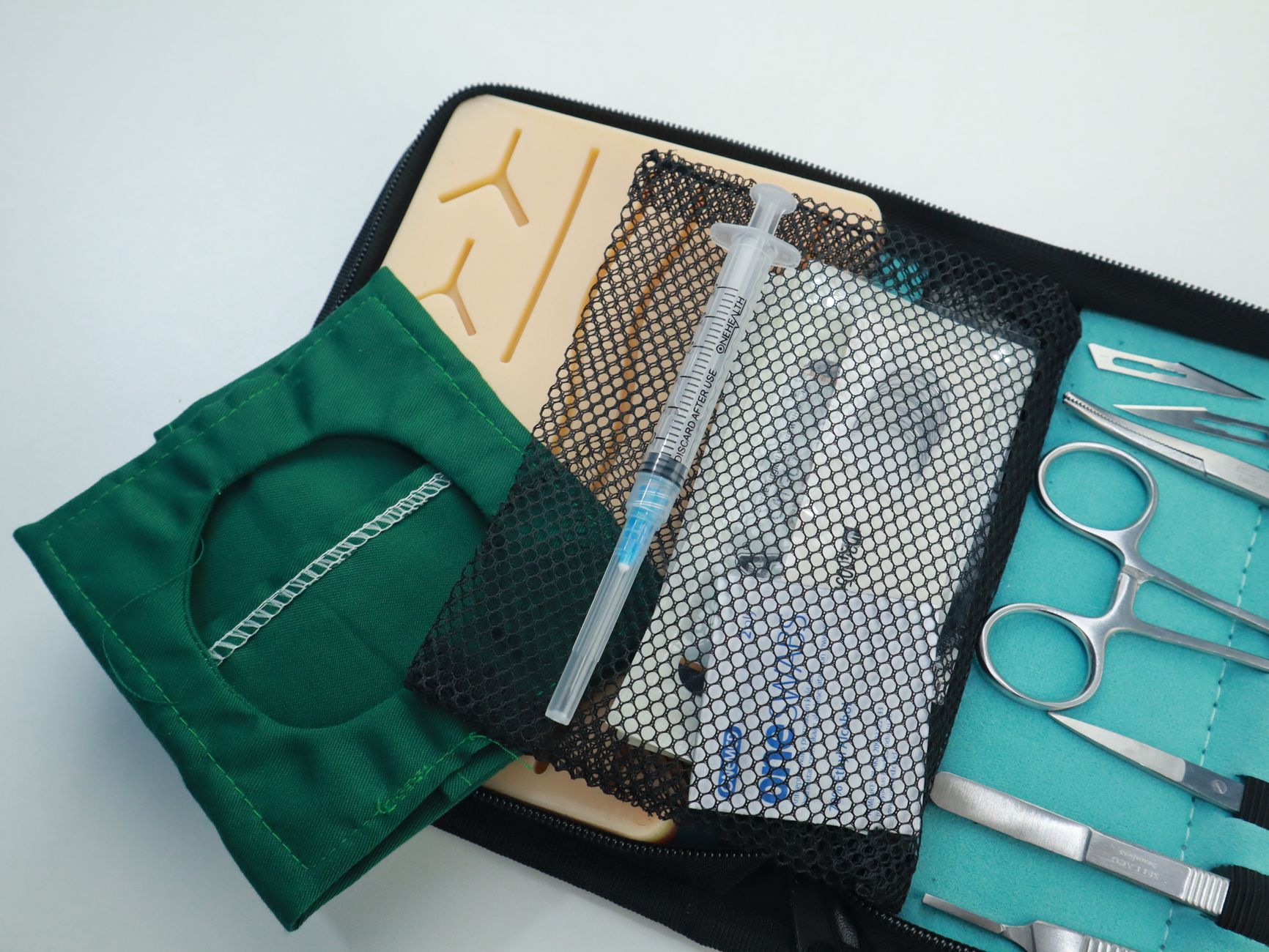
Explore how advanced surgical simulation replicates complex anatomical challenges to enhance resident training and improve surgical outcomes.
# How Surgical Simulation Can Recreate Real Anatomical Challenges
Surgical training has evolved significantly with the advent of simulation technologies that replicate real anatomical challenges. These innovations provide medical residents with immersive, hands-on experiences that bridge the gap between theoretical knowledge and practical skills.
The Importance of Anatomical Accuracy in Surgical Training
Understanding human anatomy in three dimensions is crucial for any surgeon. Traditional cadaveric dissection and didactic learning, while valuable, have limitations:
- Cadaver availability and preservation issues
- Lack of physiological responses in cadavers
- Limited repeatability and variability
Surgical simulation addresses these challenges by offering realistic, reproducible, and customizable anatomical models.
Types of Surgical Simulation Technologies
Several technologies contribute to recreating real anatomical challenges:
### 1. Virtual Reality (VR) Simulation
- Provides immersive 3D environments
- Allows manipulation of virtual tissues and organs
- Enables practice of complex procedures with haptic feedback
### 2. Augmented Reality (AR) Integration
- Overlays digital anatomical data onto physical models or patients
- Enhances spatial understanding during procedures
### 3. Physical and Hybrid Simulators
- Use synthetic materials mimicking tissue texture and resistance
- Combine physical models with digital feedback systems
Key Features That Enhance Anatomical Realism
To effectively recreate anatomical challenges, surgical simulators incorporate:
- High-fidelity anatomical models: Accurate replication of organ shapes, sizes, and spatial relationships.
- Dynamic physiological responses: Simulation of bleeding, tissue deformation, and organ movement.
- Pathological variations: Inclusion of tumors, vascular anomalies, or congenital defects.
- Tactile feedback: Realistic resistance and texture to mimic human tissue.
Benefits of Recreating Real Anatomical Challenges
### Improved Surgical Skills
Residents gain hands-on experience with diverse anatomical scenarios, improving:
- Hand-eye coordination
- Instrument handling
- Decision-making under realistic conditions
### Enhanced Patient Safety
By practicing complex cases in simulation, residents reduce intraoperative errors and complications.
### Exposure to Rare and Complex Cases
Simulation allows repeated practice of uncommon anatomical variations or pathologies that residents may not encounter frequently.
### Objective Assessment and Feedback
Simulators can track performance metrics such as precision, timing, and error rates, facilitating targeted feedback.
Implementing Surgical Simulation in Residency Programs
### Curriculum Integration
- Incorporate simulation modules aligned with learning objectives
- Use simulation for preoperative planning and rehearsal
### Multidisciplinary Collaboration
- Engage anatomists, surgeons, and simulation engineers to develop realistic scenarios
### Continuous Skill Assessment
- Use simulation to assess competency progression and readiness for independent surgery
Challenges and Future Directions
While surgical simulation has advanced, challenges remain:
- High costs of high-fidelity simulators
- Need for standardized validation of simulation effectiveness
- Continuous updates to reflect evolving surgical techniques
Future innovations may include enhanced tissue biomechanics modeling and integration with patient-specific imaging for personalized surgical rehearsal.
Conclusion
Surgical simulation that accurately recreates real anatomical challenges is transforming surgical education. By providing residents with realistic, repeatable, and diverse training experiences, simulation enhances skill acquisition, improves patient safety, and prepares the next generation of surgeons for the complexities of modern operative care.
---
Key Takeaways:
- Surgical simulation offers anatomically accurate, dynamic models.
- It enhances resident training by replicating complex surgical scenarios.
- Simulation improves patient safety and surgical outcomes.
- Integration into residency curricula is essential for maximizing benefits.
Embracing surgical simulation is a critical step toward advancing surgical education and ultimately improving patient care.