How Surgical Simulation Can Improve Hand-Eye Coordination
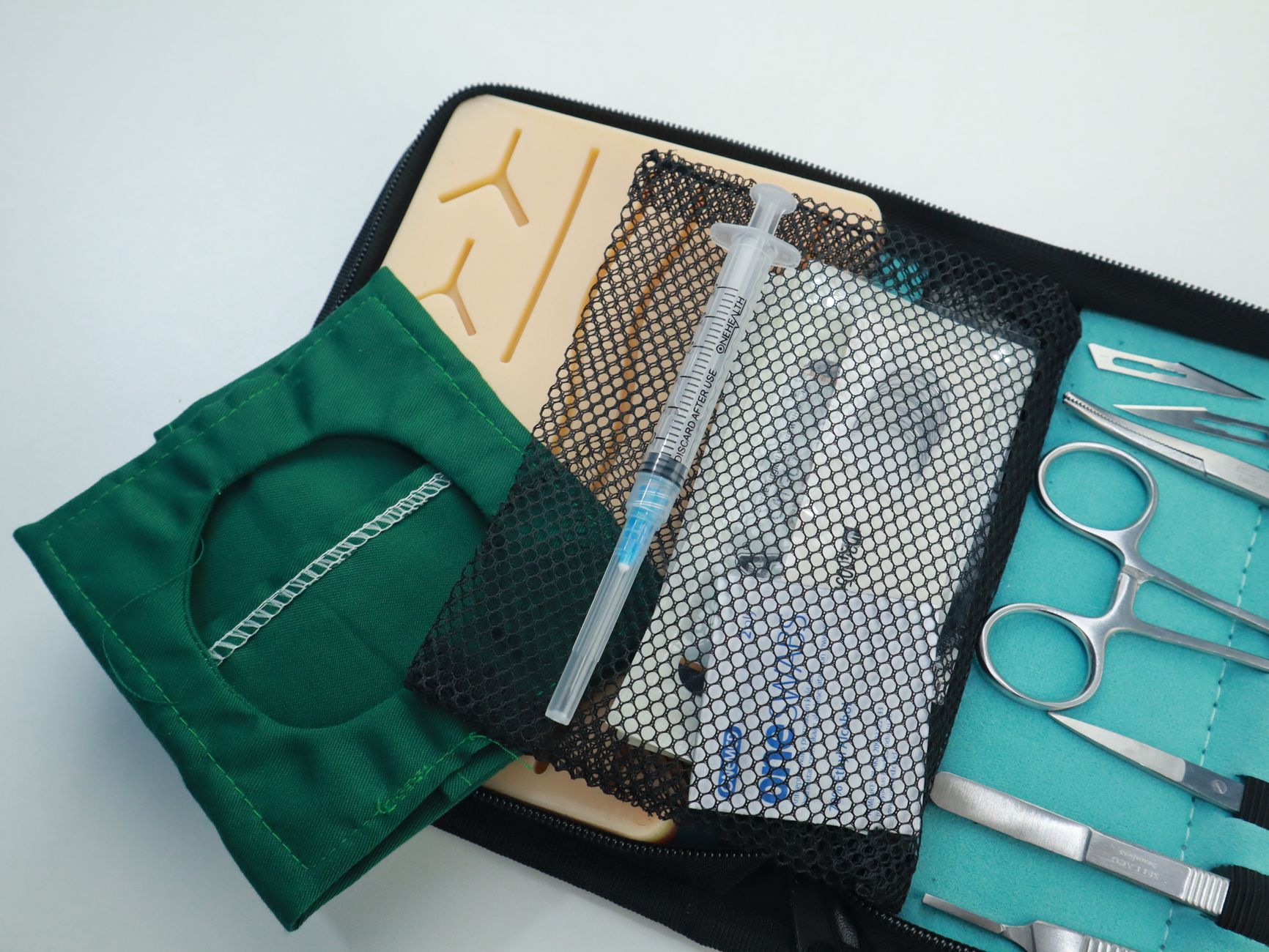
Explore how surgical simulation enhances hand-eye coordination, a critical skill for surgical precision and patient safety in medical training.
# How Surgical Simulation Can Improve Hand-Eye Coordination
Hand-eye coordination is a fundamental skill for surgeons, directly impacting surgical precision, efficiency, and patient outcomes. Developing and refining this skill is a critical component of surgical training. Surgical simulation has emerged as a powerful educational tool that allows residents and surgeons to enhance their hand-eye coordination in a controlled, risk-free environment.
Understanding Hand-Eye Coordination in Surgery
Hand-eye coordination refers to the ability to synchronize visual input with hand movements. In surgery, this skill enables precise manipulation of instruments while interpreting visual information from the surgical field, often through a microscope or endoscopic camera.
Key aspects include:
- Spatial awareness: Understanding the three-dimensional relationship between instruments and anatomy.
- Fine motor skills: Executing delicate movements with accuracy.
- Visual-motor integration: Processing visual cues to guide hand movements effectively.
Challenges in Developing Hand-Eye Coordination
Traditional surgical training often relies on direct patient exposure and apprenticeship models, which may limit opportunities for repetitive practice without risk. Factors that challenge hand-eye coordination development include:
- Limited operating room time for practice.
- High stakes and pressure during live surgeries.
- Variability in case complexity.
Role of Surgical Simulation in Enhancing Hand-Eye Coordination
Surgical simulation provides a platform where trainees can repeatedly practice skills, receive feedback, and refine their coordination without patient risk.
### Types of Surgical Simulators
- Virtual Reality (VR) Simulators: Provide immersive environments replicating surgical procedures.
- Augmented Reality (AR) Simulators: Overlay digital information on physical models.
- Physical Task Trainers: Use tangible models to practice specific skills.
### Benefits for Hand-Eye Coordination
- Repetitive Practice: Allows focused repetition of movements to build muscle memory.
- Controlled Environment: Eliminates patient risk and reduces pressure, enabling learning from errors.
- Immediate Feedback: Many simulators offer performance metrics and guidance.
- Varied Scenarios: Exposure to different anatomical variations and procedural challenges.
Evidence Supporting Simulation-Based Training
Studies have demonstrated that surgical simulation improves hand-eye coordination, leading to better operative performance. Trainees using simulators show enhanced dexterity, reduced errors, and faster skill acquisition compared to traditional methods.
Practical Tips for Maximizing Hand-Eye Coordination Training
- Set Specific Goals: Focus on particular skills such as suturing or instrument navigation.
- Regular Practice: Consistent sessions improve retention and skill refinement.
- Use Metrics: Track progress through simulator feedback to identify areas for improvement.
- Combine Modalities: Integrate VR, physical models, and video review for comprehensive training.
Conclusion
Surgical simulation is a valuable adjunct in surgical education, particularly for developing and enhancing hand-eye coordination. By providing a safe, repeatable, and measurable training environment, simulation helps prepare residents for the demands of the operating room, ultimately improving surgical outcomes and patient safety.
---
Keywords: surgical simulation, hand-eye coordination, surgical training, medical education, surgical skills, virtual reality, surgical dexterity
---