How Simulation Can Prepare Surgeons for Unexpected Anatomy
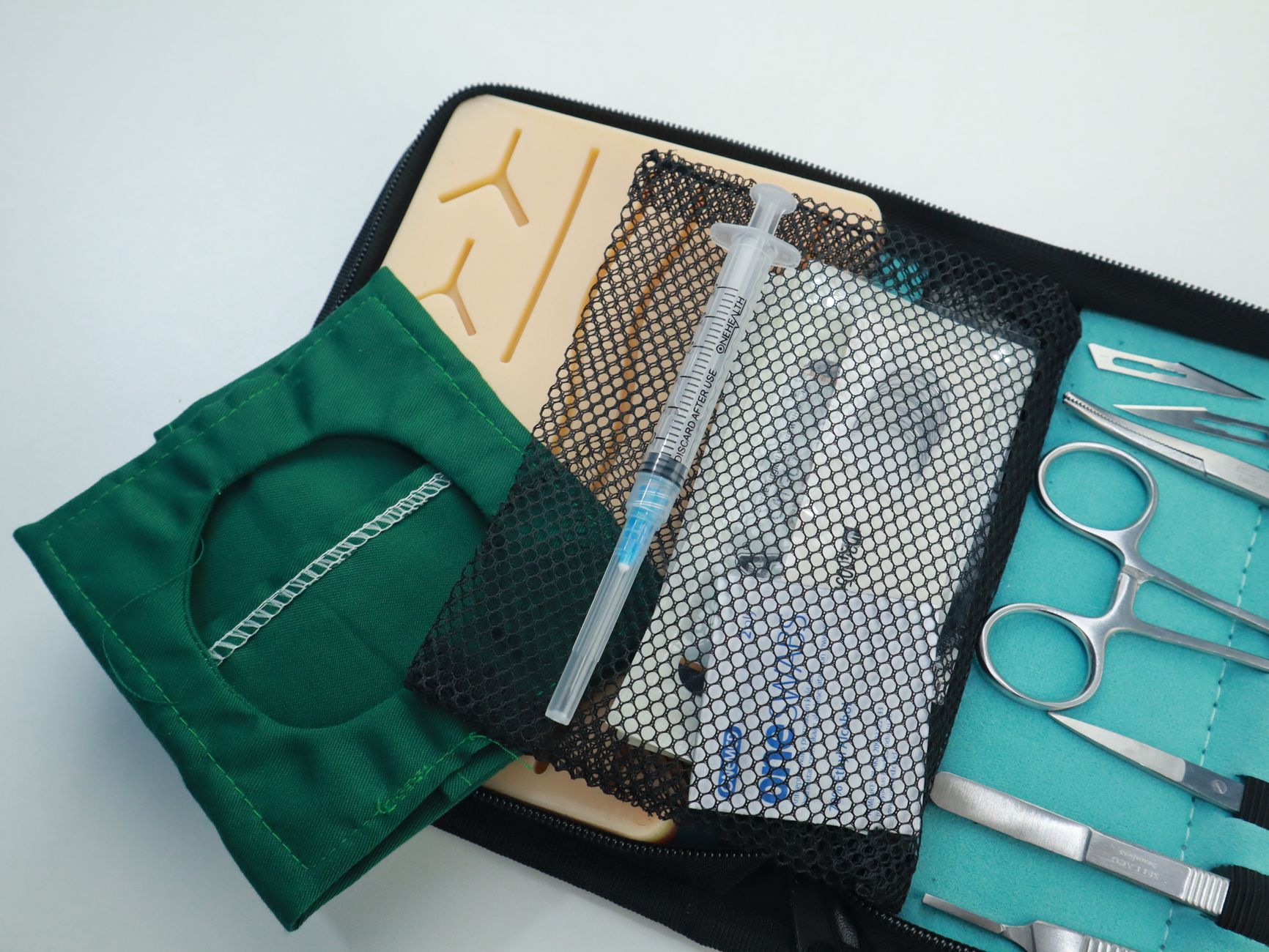
Discover how surgical simulation enhances preparedness for unexpected anatomy, improving patient safety and surgical outcomes.
# How Simulation Can Prepare Surgeons for Unexpected Anatomy
Surgical practice often involves navigating complex and variable human anatomy. While textbooks and preoperative imaging provide foundational knowledge, unexpected anatomical variations can arise during procedures, posing significant challenges. Simulation-based training offers a dynamic and risk-free environment to prepare surgeons for these uncertainties, enhancing decision-making, technical skills, and patient safety.
The Challenge of Unexpected Anatomy in Surgery
Unexpected anatomy can include variations such as:
- Aberrant blood vessels
- Anomalous nerve paths
- Congenital malformations
- Scar tissue from previous surgeries
- Tumor invasion altering normal structures
These variations may increase the risk of complications such as bleeding, nerve injury, or incomplete resections. Surgeons must be adept at recognizing and adapting to these changes in real time.
Role of Simulation in Surgical Training
Simulation provides a controlled setting where surgeons can practice complex scenarios without risk to patients. Key benefits include:
- Repetition and Mastery: Trainees can repeatedly practice procedures until proficient.
- Exposure to Variability: Simulations can incorporate a wide range of anatomical variations.
- Decision-Making: Surgeons develop critical thinking skills by managing unexpected findings.
- Team Coordination: Simulated environments foster communication and teamwork.
Types of Surgical Simulations for Anatomy Variability
### 1. Virtual Reality (VR) Simulators
VR platforms create immersive 3D environments where surgeons can interact with realistic anatomical models. They can manipulate tissues, identify variations, and perform simulated surgeries with haptic feedback.
### 2. Cadaveric Dissection and Prosection
While not a simulation per se, cadaver labs expose trainees to real anatomical variations, enhancing their spatial understanding.
### 3. 3D Printed Models
Patient-specific or generic anatomical models can be printed to replicate unusual anatomy, allowing hands-on practice.
### 4. Hybrid Simulation
Combining VR, physical models, and standardized patient scenarios to simulate complex surgical cases.
Preparing for Unexpected Anatomy Through Simulation
### Enhancing Anatomical Knowledge
Simulations allow repeated exposure to rare or complex anatomical variants that may not be frequently encountered in clinical practice.
### Improving Technical Skills
Practicing on models with anatomical anomalies helps surgeons refine techniques such as dissection, vessel ligation, and nerve preservation.
### Developing Adaptive Strategies
Surgeons learn to modify their operative plans based on intraoperative findings, improving flexibility and problem-solving.
### Reducing Cognitive Load
By rehearsing challenging scenarios, surgeons reduce stress and cognitive overload during real operations.
Impact on Patient Safety and Outcomes
Simulation-trained surgeons demonstrate:
- Reduced intraoperative errors
- Shorter operative times
- Lower complication rates
- Improved confidence and communication
These factors contribute to enhanced patient safety and better surgical outcomes.
Implementing Simulation in Surgical Education
### Curriculum Integration
Incorporate simulation modules focused on anatomical variability into residency programs.
### Scenario Development
Design cases that mimic unexpected anatomical findings relevant to the surgical specialty.
### Assessment and Feedback
Use objective metrics and expert feedback to guide trainee improvement.
### Continuous Learning
Encourage ongoing simulation practice to maintain skills and adapt to new surgical challenges.
Conclusion
Unexpected anatomy is an inherent challenge in surgery, but simulation offers a powerful tool to prepare surgeons for these complexities. By enhancing anatomical understanding, technical proficiency, and adaptive decision-making, simulation training improves surgical performance and patient safety. Integrating simulation into surgical education is essential for developing competent, confident surgeons ready to face the unpredictability of the operating room.