How Simulation Can Improve Tissue Handling Skills in Surgery
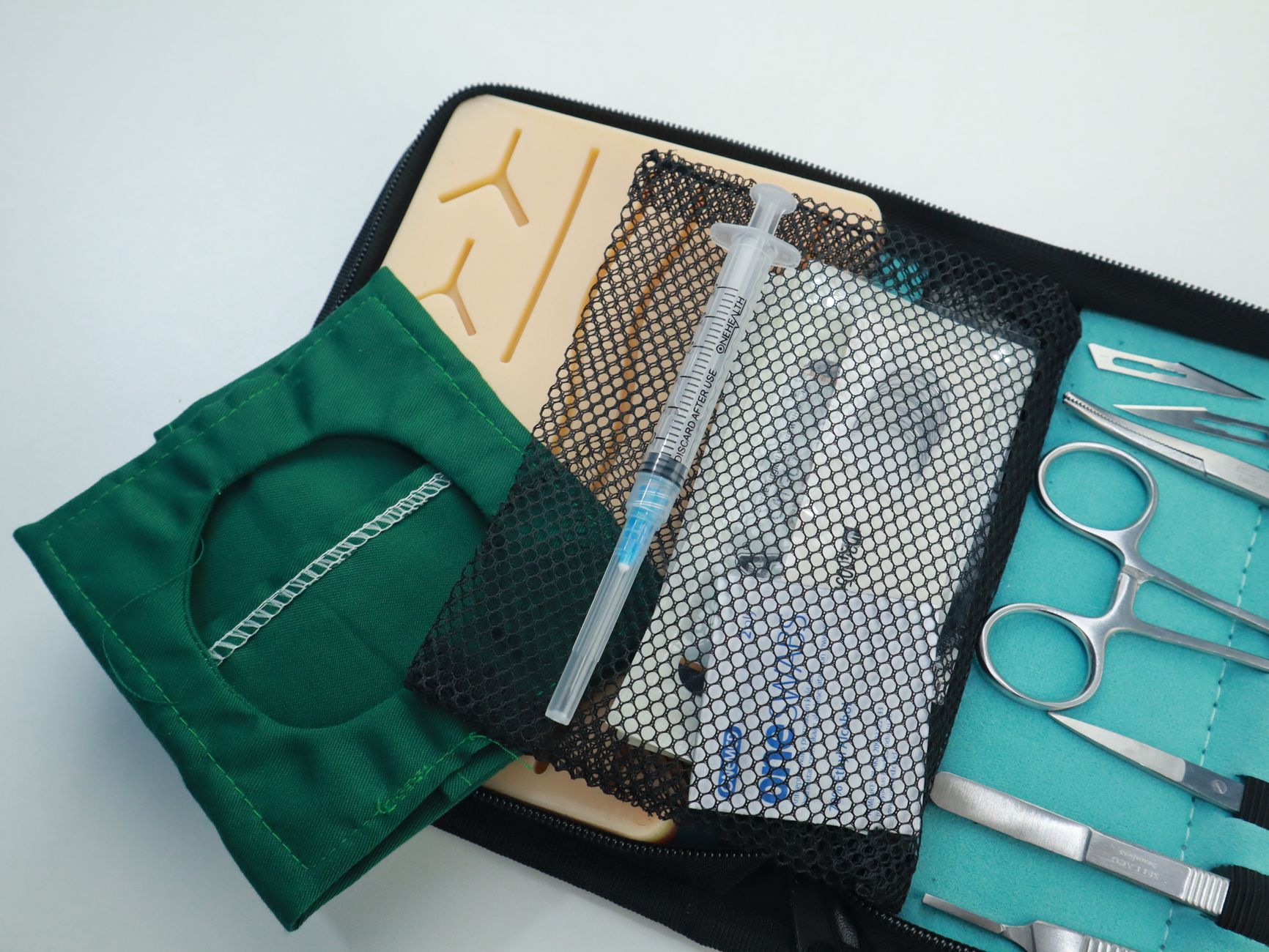
Explore how surgical simulation enhances tissue handling skills, improving precision, reducing errors, and boosting surgical outcomes.
# How Simulation Can Improve Tissue Handling Skills in Surgery
Tissue handling is a fundamental skill in surgery that directly impacts patient outcomes. Proper manipulation of tissues minimizes trauma, reduces complications, and promotes faster healing. However, mastering tissue handling requires extensive practice and experience. Simulation-based training has emerged as a powerful tool to enhance these skills in a controlled, risk-free environment.
The Importance of Tissue Handling in Surgery
Tissue handling involves the delicate manipulation of organs, blood vessels, and other anatomical structures during surgical procedures. Poor technique can lead to:
- Excessive tissue trauma
- Increased bleeding
- Delayed wound healing
- Higher risk of infection
- Postoperative complications
Surgeons must develop a keen sense of touch, dexterity, and judgment to handle tissues appropriately. This skill is particularly critical in minimally invasive and microsurgical procedures where precision is paramount.
Challenges in Traditional Surgical Training
Traditional surgical education relies heavily on apprenticeship models, where residents learn by observing and gradually performing procedures under supervision. While effective, this approach has limitations:
- Limited opportunities for repeated practice
- High stakes with real patients
- Variability in case exposure
- Stress and fatigue affecting learning
These challenges can hinder the development of refined tissue handling skills, especially early in training.
Role of Simulation in Enhancing Tissue Handling
Simulation offers a safe, reproducible, and standardized environment where trainees can practice and refine their skills without risk to patients. Key benefits include:
### 1. Repetitive Practice
Simulators allow repeated practice of specific maneuvers, enabling trainees to develop muscle memory and improve hand-eye coordination.
### 2. Realistic Tissue Feedback
Advanced simulators provide haptic feedback that mimics the resistance and texture of real tissues, helping learners understand the force needed to manipulate different structures.
### 3. Error Recognition and Correction
Immediate feedback mechanisms help trainees identify mistakes such as excessive force or improper instrument use, facilitating rapid improvement.
### 4. Exposure to Diverse Scenarios
Simulation can replicate a wide range of anatomical variations and pathological conditions, broadening experience beyond what might be encountered clinically.
Types of Simulation for Tissue Handling
Several simulation modalities are used to improve tissue handling skills:
### Cadaveric and Animal Models
- Offer realistic anatomy and tissue properties
- Ethical and availability concerns
### Synthetic Tissue Models
- Made from materials that mimic tissue elasticity and texture
- Useful for practicing suturing and dissection
### Virtual Reality (VR) Simulators
- Provide immersive 3D environments
- Include haptic devices for tactile feedback
### Hybrid Simulators
- Combine physical models with VR elements
- Enhance realism and interactivity
Implementing Simulation in Surgical Training
To maximize benefits, simulation should be integrated thoughtfully:
- Curriculum Design: Align simulation tasks with learning objectives and progressive skill levels.
- Deliberate Practice: Encourage focused, repetitive practice with defined goals.
- Assessment: Use objective metrics to evaluate performance and track improvement.
- Feedback: Provide constructive, timely feedback from instructors or automated systems.
Evidence Supporting Simulation for Tissue Handling
Studies have demonstrated that simulation training improves:
- Precision in tissue manipulation
- Reduced intraoperative errors
- Shorter operative times
- Enhanced confidence among trainees
Moreover, simulation-trained surgeons tend to have better patient outcomes and fewer complications.
Future Directions
Advancements in simulation technology continue to enhance tissue handling training:
- Improved haptic devices for more realistic tactile sensations
- AI-driven performance analytics for personalized feedback
- Integration with robotic surgery training
Conclusion
Simulation is a transformative tool in surgical education that significantly improves tissue handling skills. By providing a safe, controlled environment for repetitive practice and feedback, simulation enhances surgical precision, reduces complications, and ultimately benefits patient care. Incorporating simulation into residency programs is essential for developing proficient, confident surgeons.
---
Key Takeaways:
- Tissue handling is critical for surgical success and patient safety.
- Traditional training has limitations that simulation can overcome.
- Simulation offers realistic practice with feedback and diverse scenarios.
- Multiple modalities exist, including synthetic models and VR.
- Evidence supports simulation’s effectiveness in skill enhancement.
- Ongoing technological advances will further improve training quality.
Embracing simulation-based training ensures that surgical residents develop the refined tissue handling skills necessary for excellent clinical outcomes.