How Simulation Can Accelerate Surgical Skill Development
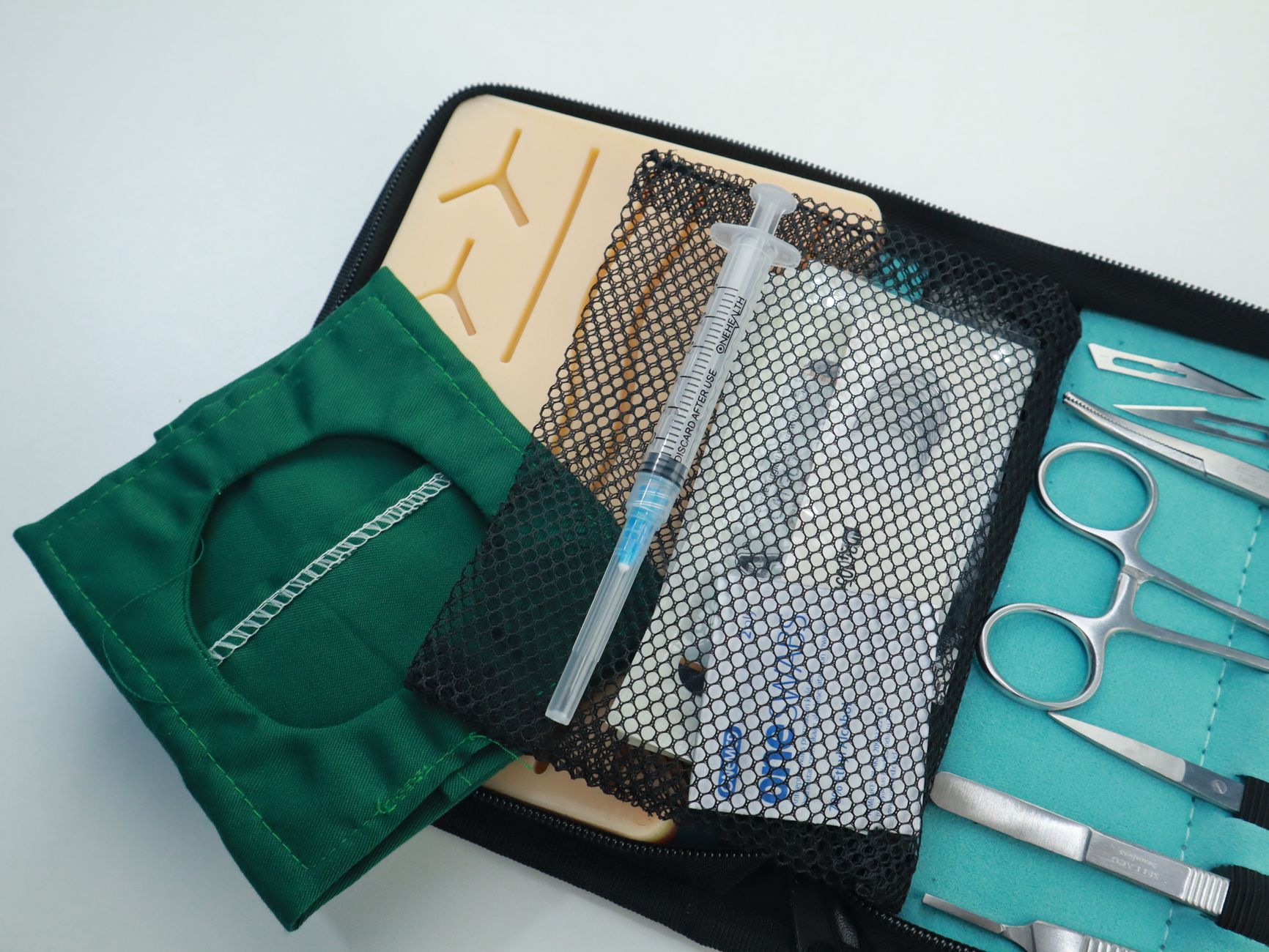
Explore how surgical simulation enhances skill acquisition, improves patient safety, and accelerates learning for medical residents.
# How Simulation Can Accelerate Surgical Skill Development
Surgical training has traditionally relied on apprenticeship models, where residents learn by observing and assisting experienced surgeons in the operating room. While this approach remains vital, the introduction of surgical simulation has revolutionized how residents develop their technical skills. Simulation offers a controlled, risk-free environment that accelerates learning, enhances proficiency, and ultimately improves patient outcomes.
The Role of Simulation in Surgical Education
Simulation encompasses a range of technologies and methods, including virtual reality (VR), augmented reality (AR), high-fidelity mannequins, and task trainers. These tools replicate surgical procedures and anatomy, allowing residents to practice repeatedly without the pressure of real-life consequences.
### Key Benefits of Surgical Simulation
- Risk-free practice: Residents can make mistakes and learn from them without jeopardizing patient safety.
- Repetitive skill refinement: Simulation allows unlimited practice to master complex techniques.
- Immediate feedback: Many simulators provide real-time performance metrics and expert guidance.
- Standardized training: Ensures all residents achieve a baseline competency.
- Exposure to rare cases: Simulators can replicate uncommon or complex scenarios that residents might not encounter during clinical rotations.
How Simulation Accelerates Skill Development
### 1. Enhancing Psychomotor Skills
Surgical procedures require fine motor coordination and hand-eye coordination. Simulation provides hands-on experience that sharpens these psychomotor skills. For example, laparoscopic simulators help residents master instrument manipulation, depth perception, and bimanual dexterity.
### 2. Improving Cognitive Skills and Decision-Making
Beyond technical skills, surgery demands critical thinking and rapid decision-making. Scenario-based simulations immerse residents in realistic clinical situations, helping them develop problem-solving abilities and situational awareness.
### 3. Facilitating Deliberate Practice
Deliberate practice is essential for expertise development. Simulation enables focused, goal-oriented practice sessions where residents can concentrate on specific skills or steps within a procedure until mastery is achieved.
### 4. Reducing Learning Curve in the OR
By practicing procedures extensively on simulators, residents enter the operating room better prepared. This reduces the learning curve, minimizes errors, and shortens operative times, benefiting both trainees and patients.
Implementing Simulation in Residency Programs
To maximize the benefits of simulation, residency programs should consider the following strategies:
- Integrate simulation early and often: Introduce simulation training from the first year and incorporate it regularly throughout residency.
- Use competency-based assessments: Employ simulation to objectively evaluate resident skills and identify areas for improvement.
- Provide expert mentorship: Combine simulation with guidance from experienced surgeons to contextualize learning.
- Customize scenarios: Tailor simulation cases to the specialty and skill level of residents.
- Encourage reflective practice: Promote self-assessment and reflection after simulation sessions to reinforce learning.
Challenges and Considerations
While simulation offers numerous advantages, programs must address certain challenges:
- Cost and resource allocation: High-fidelity simulators can be expensive, requiring investment and maintenance.
- Faculty training: Instructors need to be trained in simulation facilitation and debriefing techniques.
- Curriculum integration: Simulation should complement, not replace, clinical experience.
Future Directions
Advancements in simulation technology continue to expand training possibilities. Innovations such as haptic feedback, immersive VR environments, and AI-driven performance analytics are enhancing realism and educational value. As these tools become more accessible, simulation will play an increasingly central role in surgical education.
Conclusion
Simulation is a powerful adjunct to traditional surgical training that accelerates skill development by providing a safe, effective, and standardized learning environment. By embracing simulation, residency programs can better prepare surgeons for the complexities of modern operative care, ultimately improving patient safety and surgical outcomes.
---
Key Takeaways:
- Simulation offers risk-free, repetitive practice opportunities.
- It enhances both technical and cognitive surgical skills.
- Integration into residency curricula accelerates learning curves.
- Challenges include cost and faculty training but are outweighed by benefits.
Surgical simulation is no longer optional but a critical component of comprehensive surgical education.