How Simulation Builds Surgical Confidence Before the OR
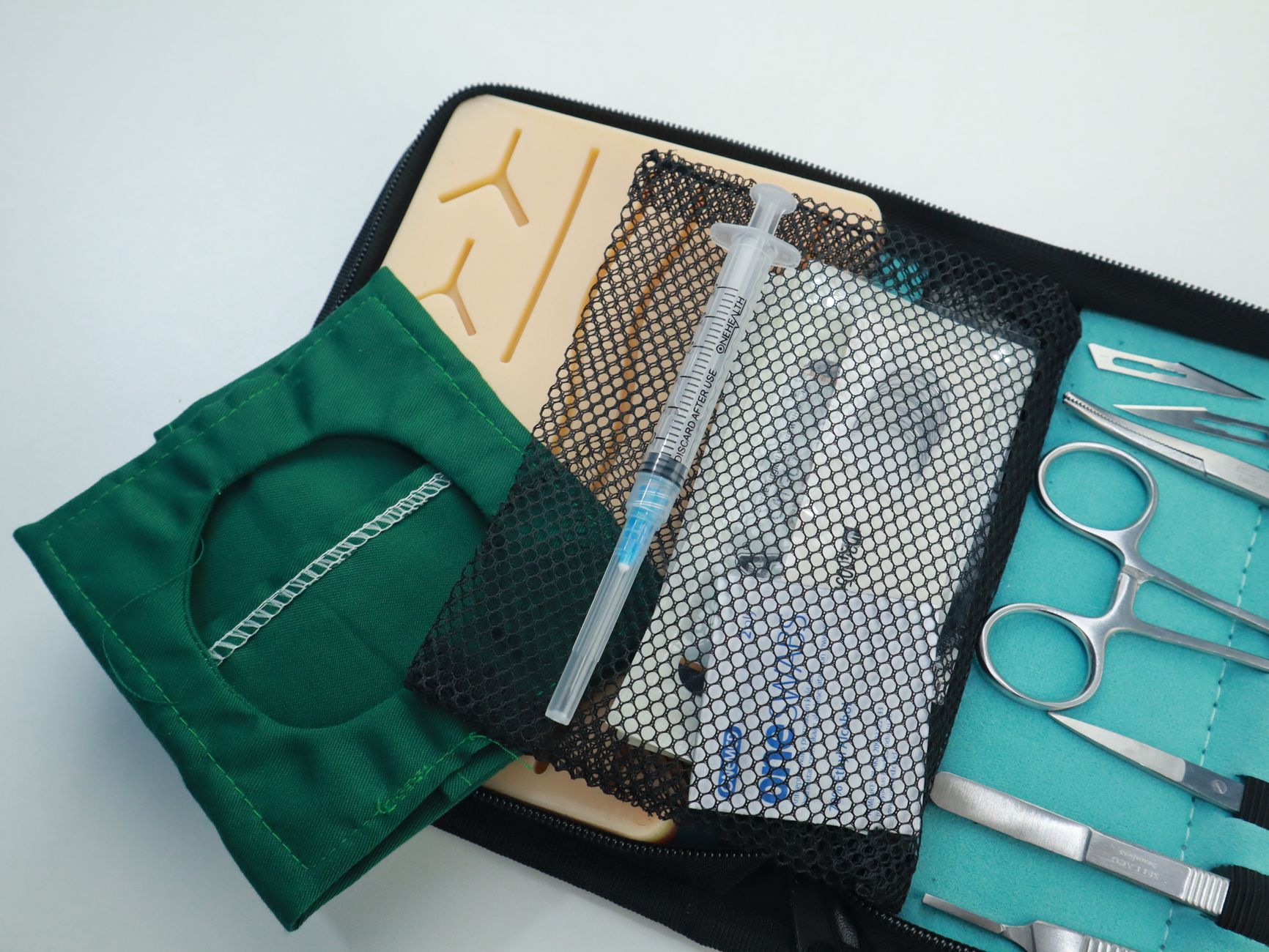
Discover how surgical simulation enhances skills, reduces errors, and builds confidence for medical residents before entering the operating room.
# How Simulation Builds Surgical Confidence Before the OR
Surgical training has evolved significantly over the past decades, with simulation playing a pivotal role in preparing medical residents for the operating room (OR). Simulation-based education offers a controlled, risk-free environment where trainees can develop and refine their surgical skills, build confidence, and improve patient outcomes. This article explores how simulation builds surgical confidence before entering the OR and why it is an essential component of modern surgical education.
The Importance of Confidence in Surgery
Confidence is crucial for surgeons. It influences decision-making, technical performance, and communication within the surgical team. Lack of confidence can lead to hesitation, errors, and increased stress, which may compromise patient safety. However, confidence must be grounded in competence; overconfidence without adequate skill can be equally detrimental.
Simulation bridges this gap by allowing trainees to practice repeatedly, receive feedback, and master procedures before performing on real patients.
Types of Surgical Simulation
Surgical simulation encompasses various modalities, each offering unique benefits:
- Virtual Reality (VR) Simulators: Provide immersive, computer-generated environments where residents can perform procedures with haptic feedback.
- Augmented Reality (AR) Simulators: Overlay digital information on real-world settings to enhance anatomical understanding.
- Physical/Mechanical Simulators: Use synthetic or animal tissues to mimic human anatomy for hands-on practice.
- Cadaveric Labs: Offer realistic anatomy but limited repeatability and availability.
How Simulation Builds Surgical Confidence
### 1. Safe Learning Environment Simulation allows residents to make mistakes without risking patient safety. This freedom encourages experimentation and learning from errors, which is essential for building confidence.
### 2. Repetitive Practice Repetition is key to skill acquisition. Simulation enables unlimited practice of specific procedures or techniques until proficiency is achieved.
### 3. Immediate Feedback Many simulation platforms provide real-time feedback on performance metrics such as precision, timing, and instrument handling. Constructive feedback helps learners identify areas for improvement.
### 4. Exposure to Rare or Complex Cases Simulation can replicate uncommon or complicated surgical scenarios that residents might not frequently encounter, preparing them for a broader range of situations.
### 5. Stress Management By simulating high-pressure environments, trainees learn to manage stress and maintain composure, which enhances confidence during actual surgeries.
### 6. Teamwork and Communication Simulated OR settings facilitate interprofessional training, improving communication skills and team dynamics critical for surgical success.
Evidence Supporting Simulation in Surgical Training
Numerous studies demonstrate that simulation training improves technical skills, reduces operative time, and decreases complication rates. Residents trained with simulation report higher confidence levels and readiness to perform procedures independently.
Best Practices for Integrating Simulation into Surgical Education
- Structured Curriculum: Incorporate simulation systematically with clear learning objectives.
- Competency-Based Assessment: Use simulation to assess readiness for clinical responsibilities.
- Multimodal Training: Combine different simulation types for comprehensive skill development.
- Faculty Involvement: Ensure experienced surgeons provide guidance and feedback.
- Continuous Practice: Encourage ongoing simulation sessions throughout residency.
Challenges and Future Directions
While simulation offers many benefits, challenges include high costs, resource availability, and ensuring transferability of skills to the OR. Advances in technology and increased institutional support are expected to address these barriers.
Conclusion
Simulation is a powerful tool that builds surgical confidence by providing a safe, effective, and realistic training environment. For medical residents, simulation enhances technical proficiency, decision-making, and teamwork skills, ultimately leading to improved patient care and safety in the OR.
---
Key Takeaways:
- Simulation offers risk-free, repetitive practice opportunities.
- Immediate feedback accelerates skill acquisition.
- Exposure to complex cases prepares residents for diverse scenarios.
- Simulation improves stress management and teamwork.
- Integration into curricula enhances overall surgical education.
Embracing simulation in surgical training equips residents with the confidence and competence needed to excel in the operating room.