How Online Simulation Helps Develop Tissue Handling Skills
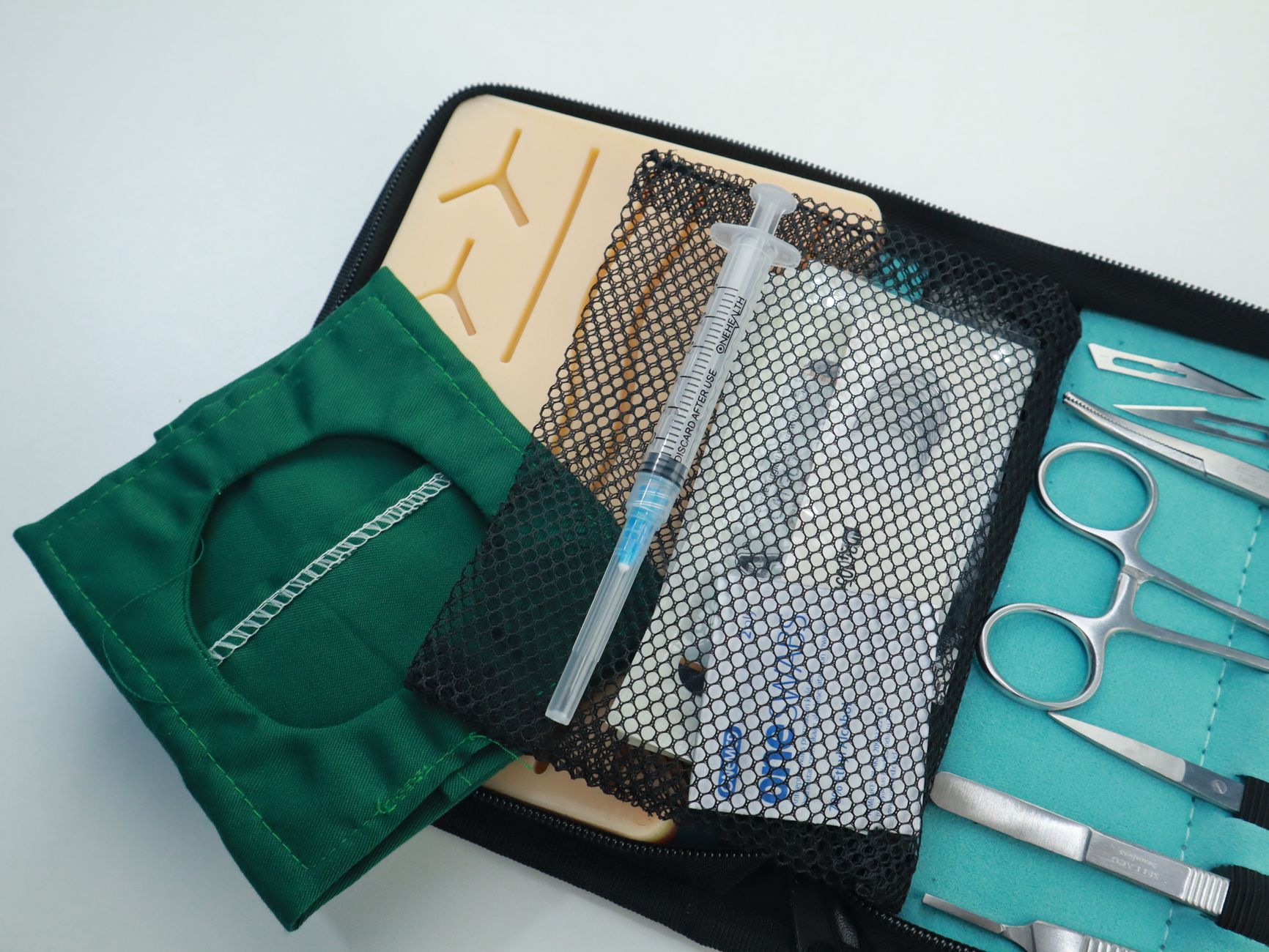
Explore how online surgical simulation enhances tissue handling skills for medical residents, improving precision, confidence, and patient outcomes.
# How Online Simulation Helps Develop Tissue Handling Skills
Tissue handling is a fundamental skill in surgery, requiring precision, delicacy, and a deep understanding of anatomy. For medical residents, mastering this skill is crucial for successful surgical outcomes and patient safety. Traditional surgical training often involves direct patient interaction and cadaveric practice, but these methods have limitations such as availability, cost, and ethical concerns.
Online simulation platforms have emerged as a powerful adjunct to conventional training, offering interactive, repeatable, and risk-free environments for residents to develop and refine their tissue handling skills. This article explores how online simulation contributes to surgical education, focusing on tissue handling, and highlights the benefits and practical applications of this technology.
Understanding Tissue Handling in Surgery
Tissue handling refers to the techniques used to manipulate, dissect, and manage biological tissues during surgical procedures. Proper tissue handling minimizes trauma, reduces complications, and promotes faster healing. Key components include:
- Gentle manipulation: Avoiding excessive force to prevent tissue damage.
- Precision: Accurate dissection and suturing to maintain tissue integrity.
- Anatomical knowledge: Understanding tissue layers and structures.
- Instrument proficiency: Using appropriate tools effectively.
Developing these skills requires extensive practice, feedback, and experience.
The Role of Online Simulation in Surgical Training
Online simulation platforms offer virtual environments that mimic real surgical scenarios. They provide interactive modules where residents can practice tissue handling techniques repeatedly without risk to patients. Some key features include:
- Realistic tissue models: High-fidelity graphics and physics simulate tissue texture and behavior.
- Step-by-step tutorials: Guided instructions enhance learning.
- Performance metrics: Objective feedback on precision, force applied, and technique.
- Accessibility: Available anytime and anywhere, supporting flexible learning.
Benefits of Online Simulation for Tissue Handling Skills
### 1. Safe Learning Environment Residents can practice complex tissue manipulation without the pressure or risks associated with live surgery. Mistakes become learning opportunities rather than patient safety concerns.
### 2. Repetitive Practice Skill acquisition requires repetition. Online simulations allow unlimited practice sessions, enabling residents to refine their technique and build muscle memory.
### 3. Immediate Feedback and Assessment Many platforms provide real-time feedback on force application, instrument handling, and precision. This objective data helps residents identify areas for improvement.
### 4. Enhanced Confidence Repeated practice and measurable progress build resident confidence, which translates into better performance in the operating room.
### 5. Standardized Training Simulations ensure consistent exposure to essential tissue handling scenarios, reducing variability in training quality across institutions.
### 6. Cost-Effectiveness Compared to cadaver labs and live surgeries, online simulations reduce costs related to materials, facilities, and supervision.
Key Features of Effective Online Tissue Handling Simulations
To maximize educational value, simulation platforms should incorporate:
- Haptic feedback: Tactile sensations that mimic tissue resistance and texture.
- Variety of procedures: Exposure to different surgical specialties and tissue types.
- Customizable difficulty levels: From beginner to advanced techniques.
- Integration with curricula: Alignment with residency program objectives.
Practical Applications and Examples
- Basic suturing and knot tying: Residents can practice needle handling and suture placement on virtual tissue.
- Dissection techniques: Simulations allow exploration of tissue planes and careful separation.
- Handling fragile tissues: Training on delicate structures such as blood vessels and nerves.
Challenges and Considerations
While online simulation offers many advantages, some limitations exist:
- Lack of full tactile realism: Current haptic technology may not perfectly replicate all tissue sensations.
- Technical requirements: Access to compatible hardware and stable internet is necessary.
- Need for complementary training: Simulation should augment, not replace, hands-on experience.
Conclusion
Online simulation is a valuable tool in surgical education, particularly for developing tissue handling skills. By providing a safe, accessible, and effective learning environment, it enhances resident training and ultimately contributes to improved surgical outcomes. As technology advances, these platforms will continue to evolve, offering even more realistic and comprehensive experiences for future surgeons.
---
Key Takeaways:
- Tissue handling is critical for surgical success and patient safety.
- Online simulation offers risk-free, repeatable practice opportunities.
- Immediate feedback accelerates skill acquisition.
- Simulation complements traditional training methods.
- Integration into residency programs enhances learning consistency.
Medical residents are encouraged to incorporate online simulation into their training regimen to build confidence and competence in tissue handling before entering the operating room.