How Medical Students Can Build a Surgical Learning Routine Online
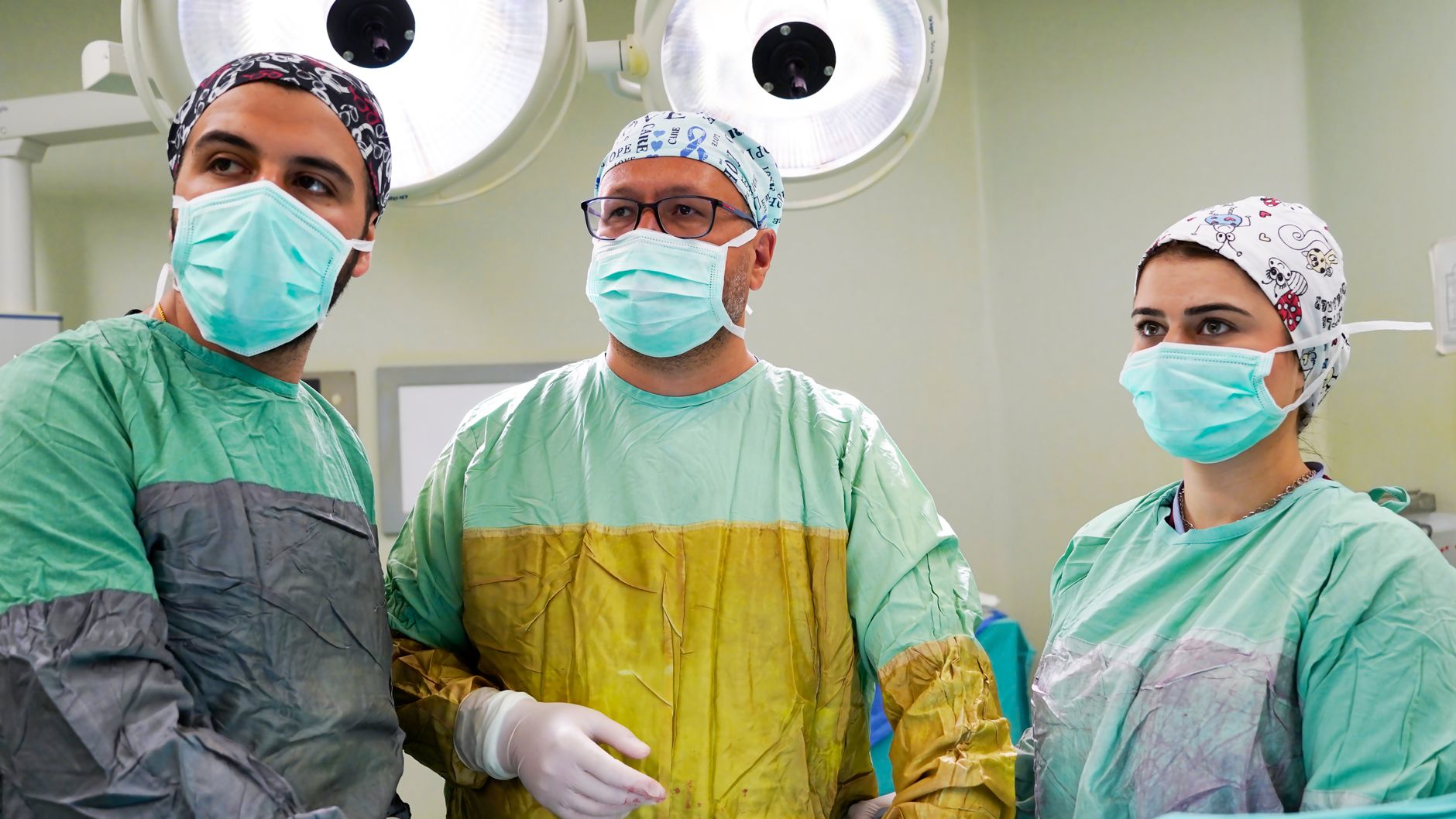
Discover effective strategies for medical students to create a structured online surgical learning routine that enhances skills and knowledge.
# How Medical Students Can Build a Surgical Learning Routine Online
Mastering surgical skills is a critical component of medical education. With the rise of digital resources and simulation platforms, medical students can now build effective surgical learning routines online. This article outlines practical steps and strategies to help students maximize their surgical education remotely.
Why Build an Online Surgical Learning Routine?
- Flexibility: Online learning allows students to study at their own pace and schedule.
- Access to diverse resources: Videos, simulations, lectures, and interactive modules cover a wide range of surgical topics.
- Skill reinforcement: Repeated practice on virtual platforms helps consolidate procedural knowledge.
- Preparation for clinical rotations: Familiarity with surgical techniques and anatomy improves confidence in the operating room.
Step 1: Set Clear Learning Goals
Before starting, define what you want to achieve. Goals might include:
- Understanding common surgical procedures
- Mastering surgical anatomy
- Developing suturing and knot-tying skills
- Learning perioperative patient management
Use SMART criteria (Specific, Measurable, Achievable, Relevant, Time-bound) to create effective goals.
Step 2: Identify Reliable Online Resources
Choose reputable platforms and materials that align with your goals:
- Surgical simulation platforms: Interactive modules that allow hands-on practice virtually.
- Video tutorials: Step-by-step procedural videos from trusted surgical educators.
- Anatomy apps: 3D models to visualize surgical anatomy.
- Online lectures and webinars: Expert talks on surgical principles and techniques.
Ensure resources are up to date and evidence-based.
Step 3: Develop a Structured Schedule
Consistency is key. Create a weekly routine that balances theory and practice:
- Allocate specific time blocks for watching videos, practicing simulations, and reviewing anatomy.
- Include short daily sessions for skill drills like knot-tying.
- Plan periodic assessments to track progress.
Use digital calendars or task management apps to stay organized.
Step 4: Practice Hands-On Skills Virtually
While online learning cannot fully replace real-life practice, simulation tools can enhance manual dexterity:
- Use virtual reality (VR) or computer-based simulators to perform procedures.
- Practice suturing and knot-tying with home kits alongside video guidance.
- Record yourself performing skills to self-assess and improve.
Step 5: Engage with Online Surgical Communities
Learning is enhanced by interaction:
- Join forums and social media groups focused on surgical education.
- Participate in live Q&A sessions or discussion boards.
- Collaborate on case studies or share learning tips.
Peer support promotes motivation and deeper understanding.
Step 6: Reflect and Adapt Your Routine
Regularly evaluate your progress:
- Keep a learning journal to note challenges and achievements.
- Adjust your schedule and resources based on what works best.
- Seek feedback from mentors or peers when possible.
Additional Tips for Success
- Balance learning with rest: Avoid burnout by scheduling breaks.
- Integrate clinical knowledge: Relate surgical skills to patient care scenarios.
- Stay updated: Follow surgical journals and news to keep abreast of innovations.
Conclusion
Building a surgical learning routine online is an attainable goal for medical students. By setting clear objectives, utilizing quality resources, practicing consistently, and engaging with the community, students can effectively enhance their surgical knowledge and skills. This structured approach prepares learners for clinical success and lifelong surgical proficiency.
---
Remember: Online learning complements but does not replace hands-on clinical experience. Always seek supervised practice opportunities when possible.