How Anatomical Variations Affect Surgical Procedures: A Comprehensive Guide
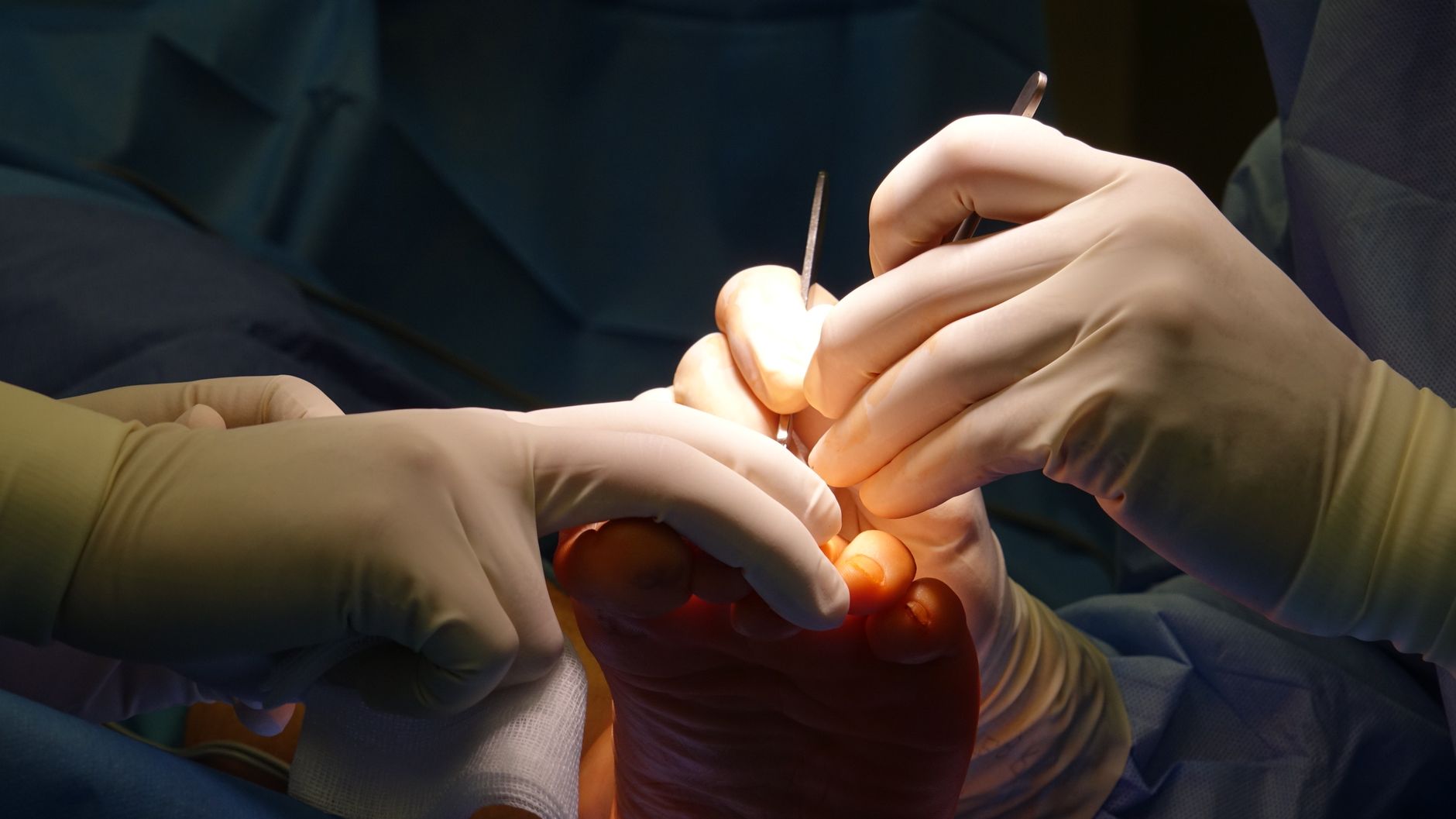
Explore how anatomical variations impact surgical planning, execution, and outcomes, enhancing surgical precision and patient safety.
# How Anatomical Variations Affect Surgical Procedures: A Comprehensive Guide
Anatomical variations refer to the natural differences in human anatomy that deviate from the standard textbook descriptions. These variations can be subtle or significant and are common across various organ systems and structures. For surgeons, understanding these variations is crucial as they can profoundly influence surgical planning, technique, and outcomes.
Understanding Anatomical Variations
- Definition: Anatomical variations are benign differences in the structure, position, or number of anatomical features.
- Prevalence: Variations are common and often asymptomatic, discovered incidentally during imaging or surgery.
- Examples: Variations include accessory muscles, vascular anomalies, nerve branching differences, and organ positional changes.
Importance in Surgical Procedures
Anatomical variations can affect surgical procedures in several ways:
### 1. Surgical Planning
- Preoperative Imaging: Identifying variations through CT, MRI, or angiography helps tailor the surgical approach.
- Risk Assessment: Variations may increase the risk of complications such as bleeding or nerve injury.
- Customized Approach: Surgeons may need to modify incisions, dissection planes, or instrumentation.
### 2. Intraoperative Challenges
- Unexpected Anatomy: Variations can lead to confusion or misidentification of structures.
- Increased Operative Time: Additional care is required to navigate variant anatomy safely.
- Potential for Injury: Unrecognized variations may cause inadvertent damage to vessels, nerves, or organs.
### 3. Postoperative Outcomes
- Complication Rates: Awareness and management of variations reduce postoperative complications.
- Recovery: Precise surgery respecting anatomical differences promotes better healing.
Common Anatomical Variations Impacting Surgery
### Vascular Variations
- Aberrant Arteries: For example, accessory renal arteries can complicate kidney surgeries.
- Venous Anomalies: Variations in the jugular or portal veins affect head, neck, and abdominal surgeries.
### Nerve Variations
- Branching Patterns: Variations in the brachial plexus or facial nerve alter dissection strategies.
- Accessory Nerves: Presence of additional nerves can increase risk of nerve injury if unrecognized.
### Musculoskeletal Variations
- Accessory Muscles: Such as the palmaris longus absence or presence affects tendon grafting.
- Bone Morphology: Variations in vertebral shape or rib count influence spinal and thoracic procedures.
### Organ Positional Variations
- Situs Inversus: Mirror-image organ placement requires complete reorientation during surgery.
- Ectopic Organs: For example, ectopic kidneys or gallbladders alter surgical landmarks.
Strategies to Manage Anatomical Variations
### Preoperative Measures
- Detailed Imaging Studies: High-resolution scans to map anatomy.
- 3D Reconstruction and Simulation: Virtual models to practice and plan.
- Multidisciplinary Discussion: Collaboration with radiologists and anatomists.
### Intraoperative Techniques
- Careful Dissection: Slow, meticulous identification of structures.
- Use of Intraoperative Imaging: Ultrasound or fluoroscopy guidance.
- Adaptability: Willingness to modify the surgical plan as needed.
### Postoperative Considerations
- Monitoring for Complications: Vigilance for signs related to variant anatomy.
- Documentation: Detailed operative notes for future reference.
Case Examples Illustrating Impact
- Thyroid Surgery: Aberrant inferior thyroid artery can increase hemorrhage risk.
- Cholecystectomy: Variations in cystic duct anatomy may cause bile duct injury.
- Neurosurgery: Unusual vascular loops around cranial nerves require careful microdissection.
Conclusion
Anatomical variations are a fundamental consideration in surgical practice. Recognizing and understanding these differences improves surgical safety, efficacy, and patient outcomes. Incorporating thorough preoperative evaluation and flexible intraoperative strategies ensures that surgeons can navigate anatomical complexities with confidence.
---
Key Takeaways:
- Anatomical variations are common and impact all surgical specialties.
- Preoperative imaging and planning are essential to identify variations.
- Surgeons must be adaptable and vigilant during procedures.
- Awareness reduces complications and improves patient care.
By integrating knowledge of anatomical variations into surgical education and practice, medical residents can enhance their operative skills and deliver superior patient outcomes.