How Advanced Technology Enhances Error Detection in Surgical Simulation
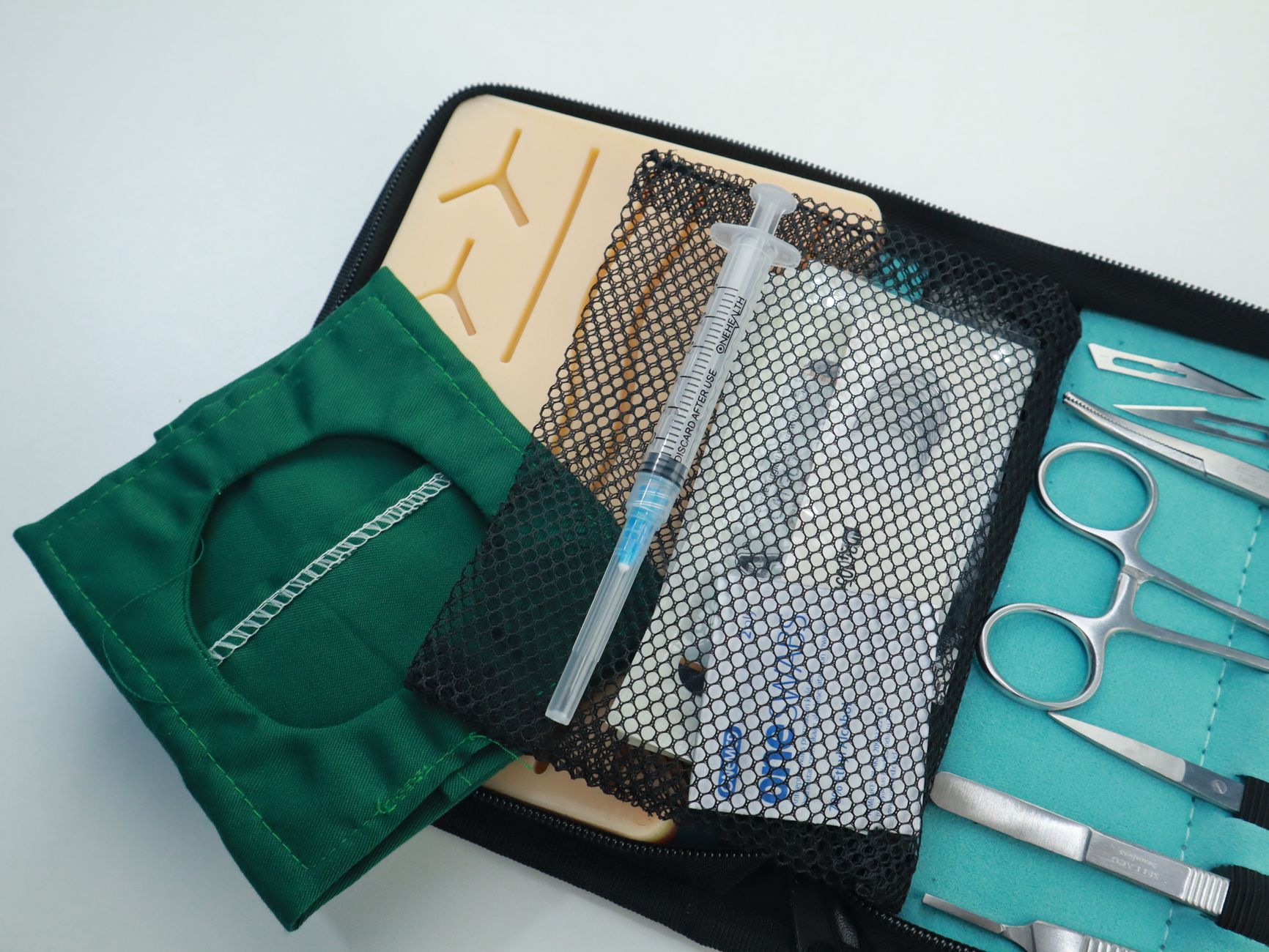
Explore how cutting-edge technology improves error identification during surgical simulation, enhancing training and patient safety.
# How Advanced Technology Enhances Error Detection in Surgical Simulation
Surgical simulation has become an essential component of modern medical education, providing residents and surgeons with a risk-free environment to hone their skills. One of the critical aspects of surgical simulation is the ability to identify errors promptly and accurately during training sessions. Recent advancements in technology have revolutionized this process, enabling more precise detection of mistakes and providing actionable feedback to trainees.
The Importance of Error Identification in Surgical Training
Errors during surgery can have significant consequences for patient outcomes. Early identification and correction of these errors during simulation training are vital for:
- Enhancing surgical skills and decision-making.
- Reducing intraoperative complications.
- Improving overall patient safety.
- Building confidence among surgical trainees.
Traditional methods of error detection rely heavily on expert observation and manual review, which can be subjective and time-consuming. Incorporating advanced technological tools into simulation platforms addresses these limitations.
How Technology Improves Error Detection in Surgical Simulation
Modern surgical simulators integrate sophisticated software and hardware components that enable real-time monitoring and analysis of trainee performance. Key features include:
### 1. Real-Time Performance Metrics
Simulators can track various parameters such as instrument movement, force application, and timing. This data helps identify deviations from optimal surgical techniques, including:
- Excessive force leading to tissue damage.
- Incorrect instrument positioning.
- Delays or hesitations during critical steps.
### 2. Automated Error Recognition
Algorithms analyze performance data to detect common errors automatically. This reduces reliance on subjective assessments and ensures consistent evaluation standards. Examples include:
- Unintended collisions with anatomical structures.
- Incomplete or incorrect suturing techniques.
- Failure to maintain appropriate surgical field exposure.
### 3. Detailed Feedback and Visualization
After simulation exercises, trainees receive comprehensive reports highlighting errors and areas for improvement. Visual aids such as heat maps and motion trails help learners understand their mistakes in context.
### 4. Adaptive Learning Pathways
Based on error patterns, simulation platforms can customize training modules to focus on specific weaknesses, promoting targeted skill development.
Benefits for Surgical Residents and Educators
Integrating advanced error detection technology into surgical simulation offers numerous advantages:
- Objective Assessment: Standardized metrics provide unbiased evaluation of surgical skills.
- Enhanced Learning Efficiency: Immediate feedback accelerates skill acquisition.
- Improved Patient Safety: Early correction of errors reduces the risk of complications in real surgeries.
- Resource Optimization: Automated analysis decreases the need for constant expert supervision.
Challenges and Considerations
While the benefits are significant, there are challenges to consider:
- Technology Integration: Ensuring compatibility with existing simulation platforms.
- Data Privacy: Safeguarding trainee performance data.
- Cost: Investment in advanced simulators and software.
Ongoing research and development aim to address these issues, making advanced error detection more accessible and effective.
Future Directions
The continuous evolution of surgical simulation technology promises even greater improvements in error identification, including:
- Enhanced haptic feedback for more realistic tissue interaction.
- Integration with virtual and augmented reality for immersive training.
- Machine learning algorithms that refine error detection over time.
Conclusion
Advanced technology plays a pivotal role in identifying errors during surgical simulation, thereby enhancing training quality and patient safety. By leveraging real-time data analysis, automated error recognition, and personalized feedback, surgical education can evolve to meet the demands of modern healthcare.
---
Key Takeaways:
- Accurate error detection is essential for effective surgical training.
- Technology enables objective, real-time monitoring of surgical performance.
- Automated feedback helps trainees correct mistakes promptly.
- Customized learning pathways improve skill development.
- Challenges include integration, privacy, and cost considerations.
Embracing these advancements ensures that surgical residents are better prepared for the complexities of the operating room, ultimately benefiting patient care.