How 3D Surgical Simulation Enhances Medical Students' Understanding of Anatomy
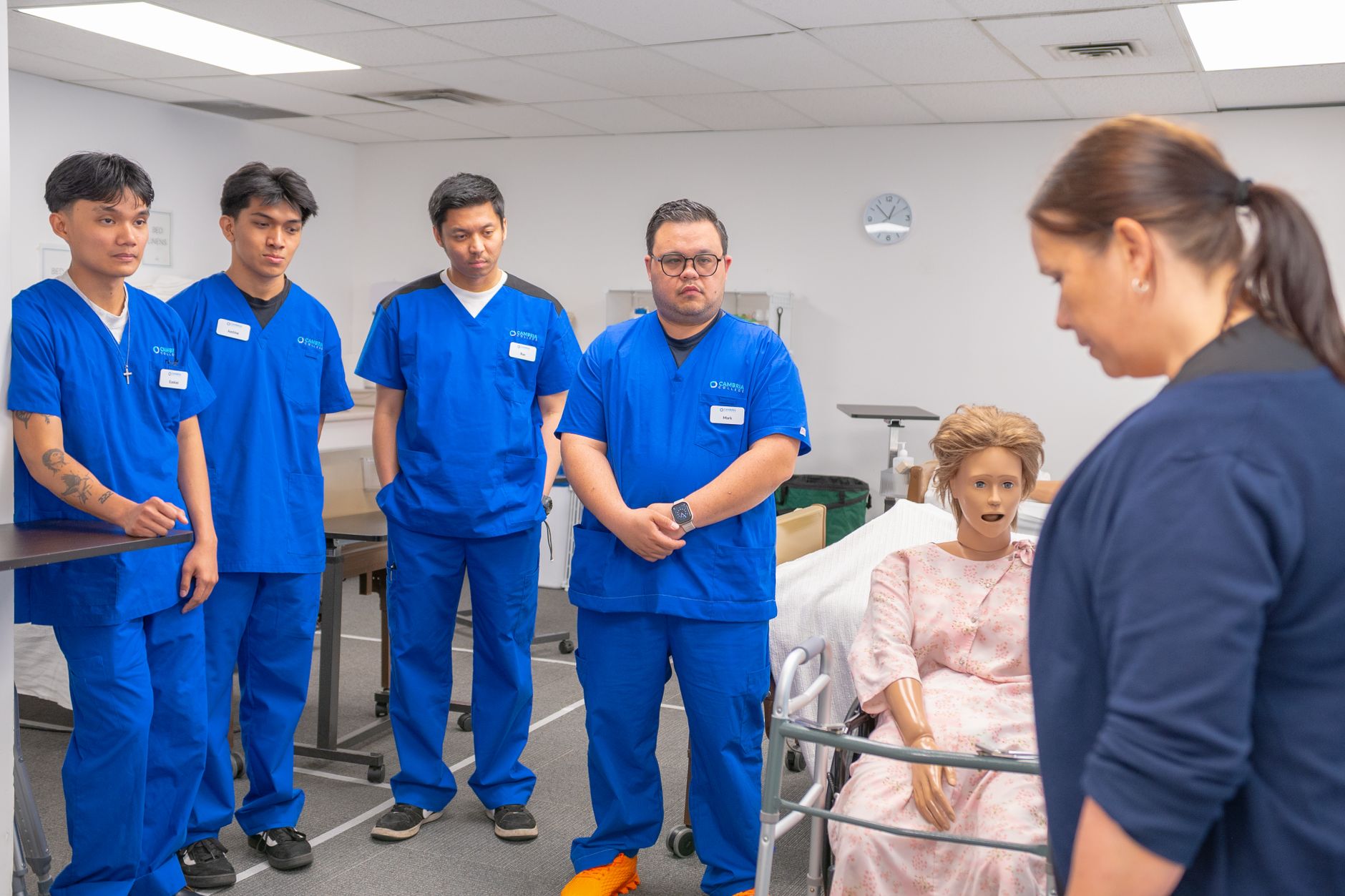
Discover how 3D surgical simulation revolutionizes anatomy learning for medical students by offering immersive, hands-on educational experiences.
# How 3D Surgical Simulation Enhances Medical Students' Understanding of Anatomy
Introduction
Anatomy is fundamental to medical education, serving as the cornerstone for clinical skills and surgical proficiency. Traditional methods such as cadaver dissection and textbook study have long been the standard for teaching anatomy. However, advances in technology have introduced 3D surgical simulation as a transformative tool that enhances medical students' comprehension of complex anatomical structures.
The Challenges of Traditional Anatomy Education
- Limited access to cadavers: Ethical, financial, and logistical constraints often limit cadaver availability.
- Two-dimensional resources: Textbooks and 2D images can make it difficult to visualize spatial relationships.
- Variability in dissection experience: Differences in cadaver quality and dissection guidance can affect learning outcomes.
What is 3D Surgical Simulation?
3D surgical simulation involves computer-generated models that replicate human anatomy and surgical procedures in an interactive, three-dimensional environment. These simulations can be accessed via specialized software platforms, VR headsets, or augmented reality devices.
Benefits of 3D Surgical Simulation in Anatomy Learning
### 1. Enhanced Spatial Understanding
- Enables students to explore anatomical structures from multiple angles.
- Facilitates comprehension of the spatial relationships between organs, vessels, and nerves.
### 2. Interactive and Immersive Learning
- Allows manipulation of virtual tissues and organs.
- Provides real-time feedback during simulated dissections or surgical procedures.
### 3. Safe and Repeatable Practice
- Offers an environment free from the ethical concerns of cadaver use.
- Enables repeated practice without degradation of materials.
### 4. Integration with Surgical Training
- Bridges the gap between theoretical anatomy and practical surgical skills.
- Prepares students for real-life operating room scenarios.
### 5. Accessibility and Convenience
- Accessible anytime and anywhere, supporting self-paced learning.
- Reduces dependency on physical lab resources.
Impact on Medical Education
Studies and educational feedback indicate that students using 3D simulation demonstrate:
- Improved retention of anatomical knowledge.
- Greater confidence in identifying structures during clinical rotations.
- Enhanced readiness for surgical clerkships and residencies.
Practical Applications
- Virtual dissections: Simulate layer-by-layer exploration of human anatomy.
- Procedure rehearsals: Practice surgical steps such as incisions, suturing, and instrument handling.
- Assessment tools: Evaluate student understanding through interactive quizzes and scenario-based challenges.
Challenges and Considerations
- Cost and resource investment: High-quality simulation platforms may require significant funding.
- Technical learning curve: Students and educators may need training to effectively use simulation tools.
- Complementary tool: Should augment, not replace, traditional anatomy education methods.
Conclusion
3D surgical simulation represents a powerful adjunct to traditional anatomy education, offering immersive, interactive, and accessible learning experiences. By enhancing spatial understanding and providing safe practice environments, it equips medical students with the foundational knowledge and skills essential for surgical proficiency and patient care.
---
Embracing 3D surgical simulation in medical curricula promises to elevate anatomy education and better prepare future physicians for the demands of modern medicine.