From Simulation to the OR: Preparing Surgeons for Real Procedures
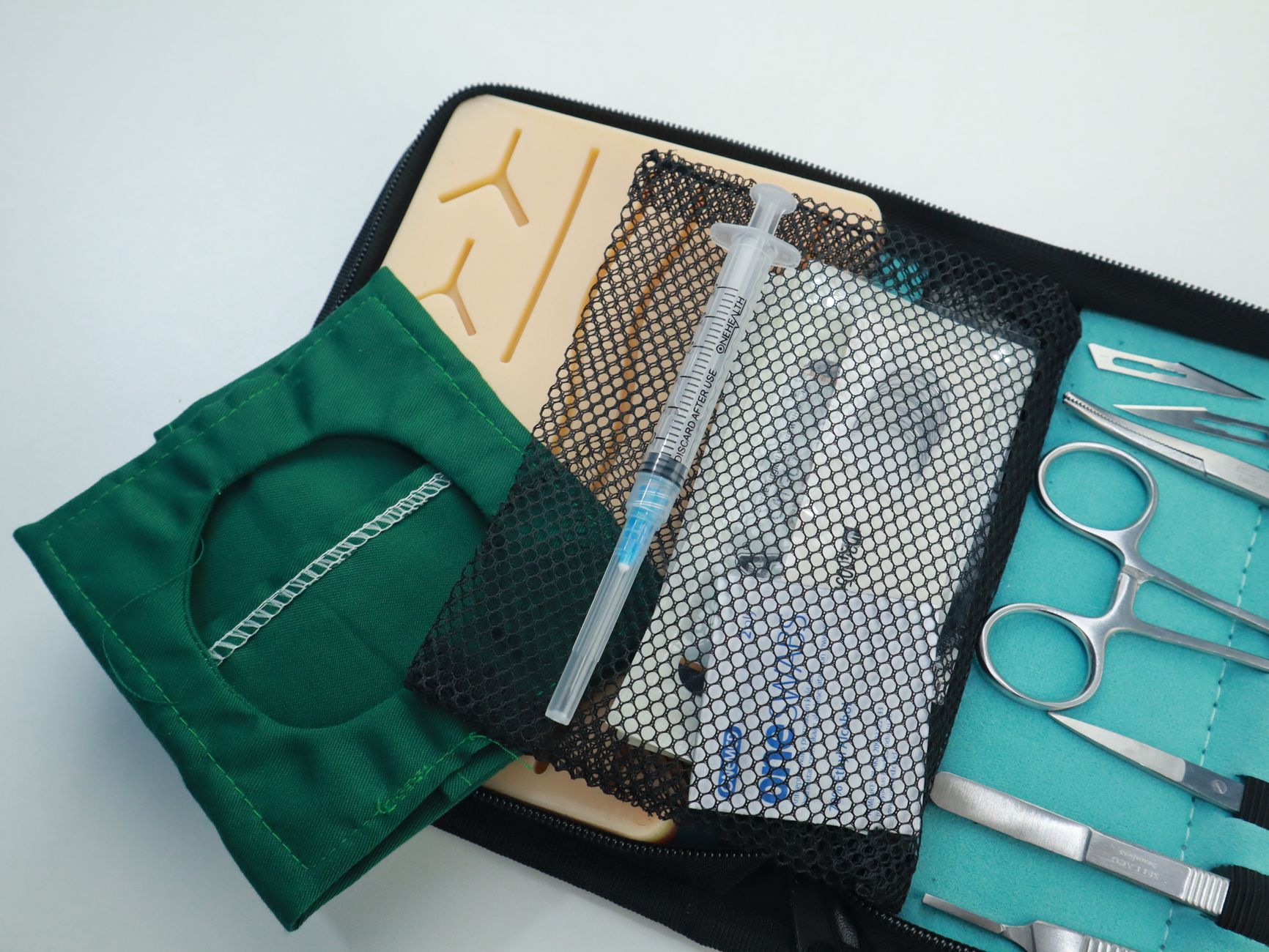
Explore how advanced simulation technologies enhance surgical training, bridging the gap between practice and real-life operations.
# From Simulation to the OR: Preparing Surgeons for Real Procedures
Advancements in surgical training have revolutionized how surgeons prepare for the operating room (OR). Simulation-based education offers a risk-free environment where residents and practicing surgeons can hone their skills before performing real procedures. This article explores the role of modern simulation technologies in surgical education, their benefits, and how they effectively prepare surgeons for the complexities of the OR.
The Evolution of Surgical Simulation
Surgical simulation has evolved from simple models and cadaveric dissections to sophisticated virtual and augmented reality platforms. These technologies provide immersive, realistic experiences that replicate the tactile and visual challenges of surgery.
- Traditional Methods: Cadaver labs and bench models have long been staples in surgical education, offering anatomical familiarity.
- Virtual Reality (VR) Simulators: VR platforms create interactive 3D environments where surgeons can practice procedures repeatedly.
- Augmented Reality (AR): AR overlays digital information on real-world views, enhancing anatomical orientation and procedural guidance.
Key Benefits of Simulation-Based Surgical Training
Simulation offers numerous advantages that contribute to improved surgical outcomes and patient safety.
### 1. Risk-Free Skill Development
Surgeons can practice complex procedures without risk to patients, allowing for mistakes and learning in a controlled setting.
### 2. Repetition and Mastery
Repeated practice builds muscle memory and confidence, essential for performing under pressure in the OR.
### 3. Objective Performance Assessment
Many simulators provide metrics on accuracy, speed, and technique, enabling targeted feedback and skill refinement.
### 4. Exposure to Rare or Complex Cases
Simulation can replicate uncommon scenarios that surgeons may not frequently encounter but must be prepared to manage.
### 5. Team Training and Communication
Simulated OR environments facilitate interprofessional team training, improving coordination and communication during surgery.
Integrating Simulation into Surgical Residency
Incorporating simulation into residency curricula enhances traditional learning methods.
- Structured Curriculum: Simulation modules aligned with residency milestones ensure progressive skill acquisition.
- Competency-Based Assessment: Objective data from simulations help evaluate readiness for independent practice.
- Feedback and Debriefing: Immediate feedback supports reflective learning and continuous improvement.
Preparing for Real Procedures: Simulation in Action
Simulation prepares surgeons for the OR by:
- Enhancing Technical Skills: Fine motor skills, instrument handling, and procedural steps are practiced extensively.
- Improving Decision-Making: Surgeons learn to anticipate complications and make real-time decisions.
- Reducing Cognitive Load: Familiarity with procedures decreases stress and cognitive demands during actual surgery.
Challenges and Future Directions
While simulation offers significant benefits, challenges remain:
- Cost and Accessibility: High-fidelity simulators can be expensive and may not be available in all training centers.
- Standardization: Developing universally accepted benchmarks for simulation performance is ongoing.
- Integration with Clinical Training: Balancing simulation with hands-on patient care requires careful curriculum design.
Future innovations aim to enhance realism, incorporate haptic feedback, and expand scenario libraries to cover a broader range of procedures.
Conclusion
Simulation-based training is an invaluable tool in preparing surgeons for the complexities of real-life operations. By providing a safe, controlled environment for skill development, it bridges the gap between theoretical knowledge and clinical practice, ultimately improving surgical proficiency and patient outcomes.
---
For surgical residents, embracing simulation technologies is essential for mastering the art and science of surgery before stepping into the OR.