Enhancing Surgical Residency Programs with Advanced Technology
Explore how advanced technology supports surgical residency programs by improving training, assessment, and patient outcomes.
# Enhancing Surgical Residency Programs with Advanced Technology
Surgical residency programs are critical for training the next generation of surgeons. With increasing complexity in surgical procedures and the demand for high-quality patient care, residency programs face challenges in providing comprehensive, efficient, and effective training. Advanced technology offers innovative solutions to support surgical education, improve skill acquisition, and enhance assessment methods.
The Role of Technology in Surgical Training
Technology has transformed medical education, offering interactive and immersive learning experiences. In surgical residency programs, it can:
- Provide realistic simulation environments
- Enable objective skill assessment
- Facilitate personalized learning pathways
- Support remote collaboration and mentorship
Simulation-Based Training
Simulation is a cornerstone of modern surgical education. It allows residents to practice procedures in a risk-free environment, improving technical skills and decision-making abilities.
### Benefits of Simulation
- Safe Practice: Residents can repeat procedures without risk to patients.
- Skill Mastery: Trainees gain proficiency before operating on real patients.
- Error Analysis: Immediate feedback helps identify and correct mistakes.
### Types of Simulation
- Virtual Reality (VR): Immersive environments replicating surgical anatomy and procedures.
- Augmented Reality (AR): Overlay of digital information on real-world settings to guide surgeries.
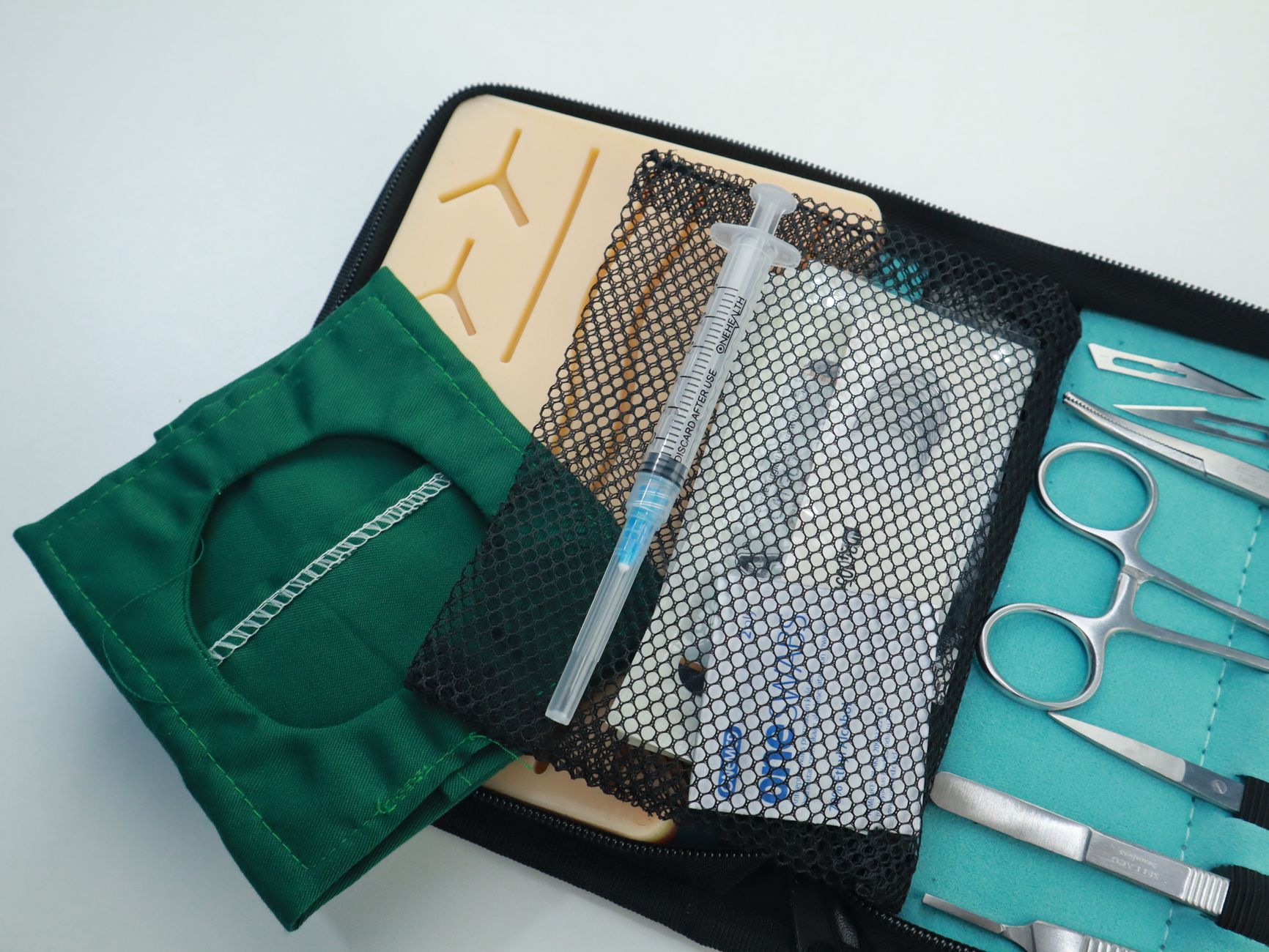
- Physical Simulators: Anatomically accurate models for hands-on practice.
Objective Assessment and Feedback
Advanced technology enables precise tracking of surgical performance metrics such as hand movements, instrument handling, and procedural timing. This objective data supports:
- Competency-based evaluations
- Tailored feedback for improvement
- Benchmarking against peers
Personalized Learning and Curriculum Adaptation
Data-driven insights help educators customize training programs to individual resident needs. Adaptive learning platforms can:
- Identify strengths and weaknesses
- Recommend targeted exercises
- Optimize progression through curriculum milestones
Remote Collaboration and Mentorship
Technology facilitates communication and supervision beyond physical boundaries. Features include:
- Live streaming of surgeries for real-time guidance
- Virtual case discussions
- Access to expert faculty regardless of location
Enhancing Patient Safety and Outcomes
By improving resident training quality, technology indirectly contributes to better patient care. Well-prepared surgeons are less likely to make errors, leading to:
- Reduced complication rates
- Shorter operative times
- Improved recovery trajectories
Challenges and Considerations
While technology offers many benefits, programs must address:
- Cost and resource allocation
- Integration with existing curricula
- Ensuring equitable access for all residents
- Maintaining human elements of mentorship and clinical judgment
Conclusion
Incorporating advanced technology into surgical residency programs enhances training efficacy, assessment accuracy, and ultimately patient outcomes. As surgical education continues to evolve, embracing these tools will be essential for preparing competent and confident surgeons.
---
*This article provides an overview of how advanced technology supports surgical residency programs and is intended for educational purposes.*