Enhancing Surgical Precision Measurement with Advanced Technologies
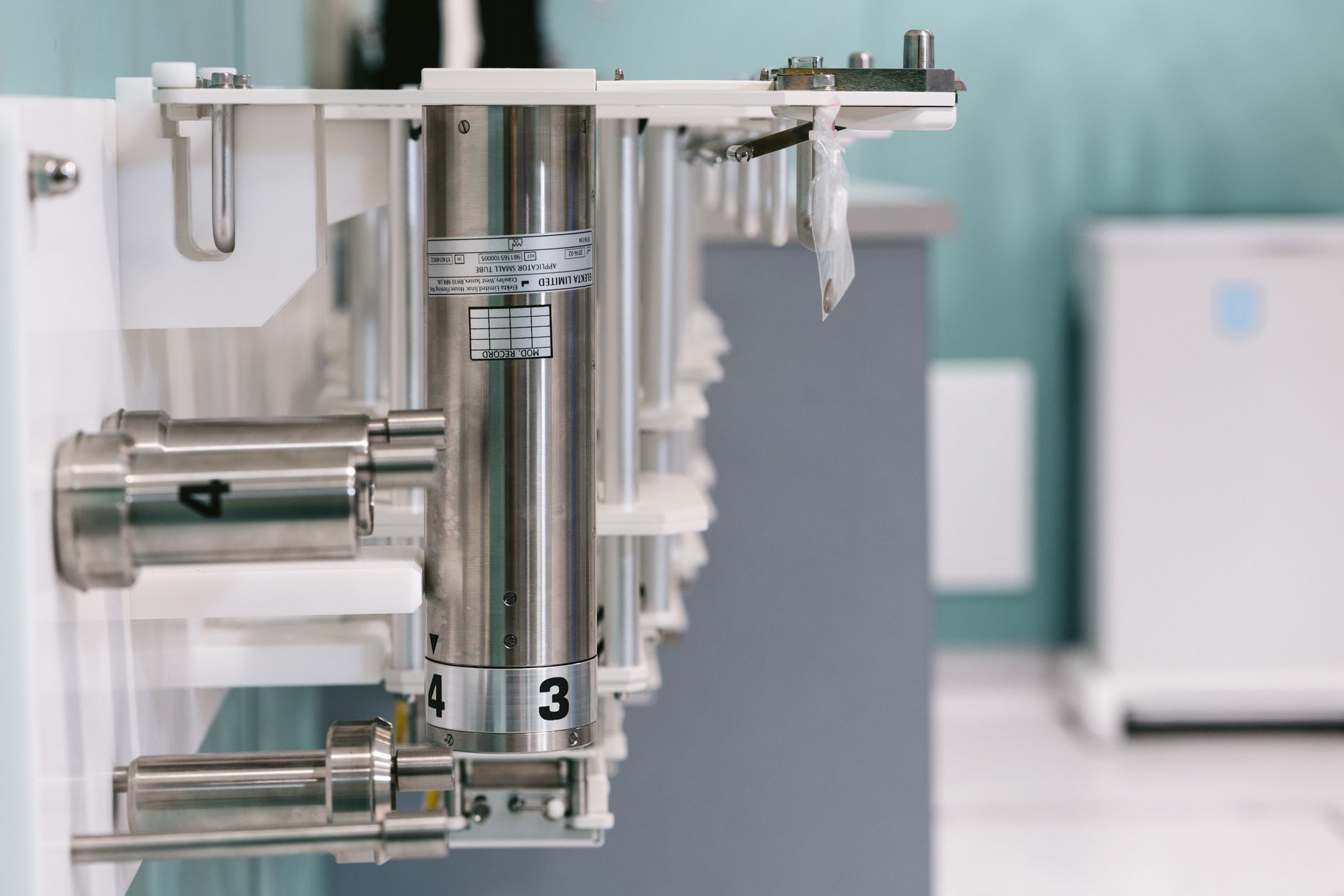
Explore how advanced technologies are revolutionizing the measurement of surgical precision to improve outcomes and training.
# Enhancing Surgical Precision Measurement with Advanced Technologies
Introduction
Surgical precision is a critical determinant of patient outcomes, influencing recovery times, complication rates, and overall success of procedures. Accurate measurement of surgical precision not only aids in assessing surgeon performance but also plays a pivotal role in surgical education and quality improvement initiatives. Recent advancements in technology have introduced innovative methods to quantify and enhance surgical precision, transforming traditional approaches.
Importance of Measuring Surgical Precision
- Improves Patient Safety: Precise surgical techniques reduce the risk of inadvertent tissue damage and postoperative complications.
- Enhances Training: Objective metrics help identify skill gaps and tailor educational interventions.
- Supports Quality Assurance: Continuous monitoring facilitates adherence to best practices and standards.
Traditional Methods of Assessing Surgical Precision
Historically, surgical precision has been evaluated through:
- Direct Observation: Experienced surgeons or educators assess technique during procedures.
- Video Review: Postoperative analysis of recorded surgeries.
- Checklists and Rating Scales: Standardized tools like OSATS (Objective Structured Assessment of Technical Skill).
While valuable, these methods can be subjective, time-consuming, and limited by human variability.
Advanced Technologies for Precision Measurement
Emerging technologies offer objective, real-time, and quantitative assessment capabilities:
### Motion Tracking Systems
- Utilize sensors to record instrument movements.
- Metrics include path length, smoothness, speed, and tremor analysis.
- Provide immediate feedback to surgeons during simulation or actual procedures.
### Force and Pressure Sensors
- Measure the amount of force applied to tissues.
- Help prevent excessive pressure that could cause injury.
### Imaging and Visualization Tools
- High-resolution intraoperative imaging assists in precise localization.
- Augmented reality overlays guide instrument placement.
### Data Analytics and Machine Learning
- Analyze large datasets of surgical performance metrics.
- Identify patterns correlating with outcomes.
Benefits of Technology-Driven Precision Measurement
- Objective Evaluation: Reduces bias inherent in subjective assessments.
- Enhanced Feedback: Facilitates targeted skill improvement.
- Standardization: Enables consistent benchmarking across institutions.
- Improved Outcomes: Supports evidence-based refinements in technique.
Implementation in Surgical Training
- Integration with simulation platforms allows trainees to practice and receive quantitative feedback.
- Facilitates competency-based progression rather than time-based training.
- Encourages deliberate practice through measurable goals.
Challenges and Considerations
- Cost and Accessibility: High initial investment may limit widespread adoption.
- Data Privacy: Ensuring secure handling of performance data.
- User Acceptance: Surgeons must trust and engage with new assessment tools.
- Technical Limitations: Calibration and accuracy require ongoing validation.
Future Directions
- Development of more intuitive interfaces for seamless integration.
- Expansion into minimally invasive and robotic-assisted surgeries.
- Enhanced predictive analytics to foresee complications.
Conclusion
The measurement of surgical precision is evolving from subjective evaluation to a data-driven, objective process supported by advanced technologies. These innovations hold promise for elevating surgical education, improving patient safety, and fostering continual professional development. Embracing these tools can lead to higher standards of care and better clinical outcomes.
---
*For surgical residents and educators, understanding and utilizing these measurement technologies is essential to advancing surgical skills and patient care.*