Complication-Based Surgical Training Explained: Enhancing Resident Preparedness
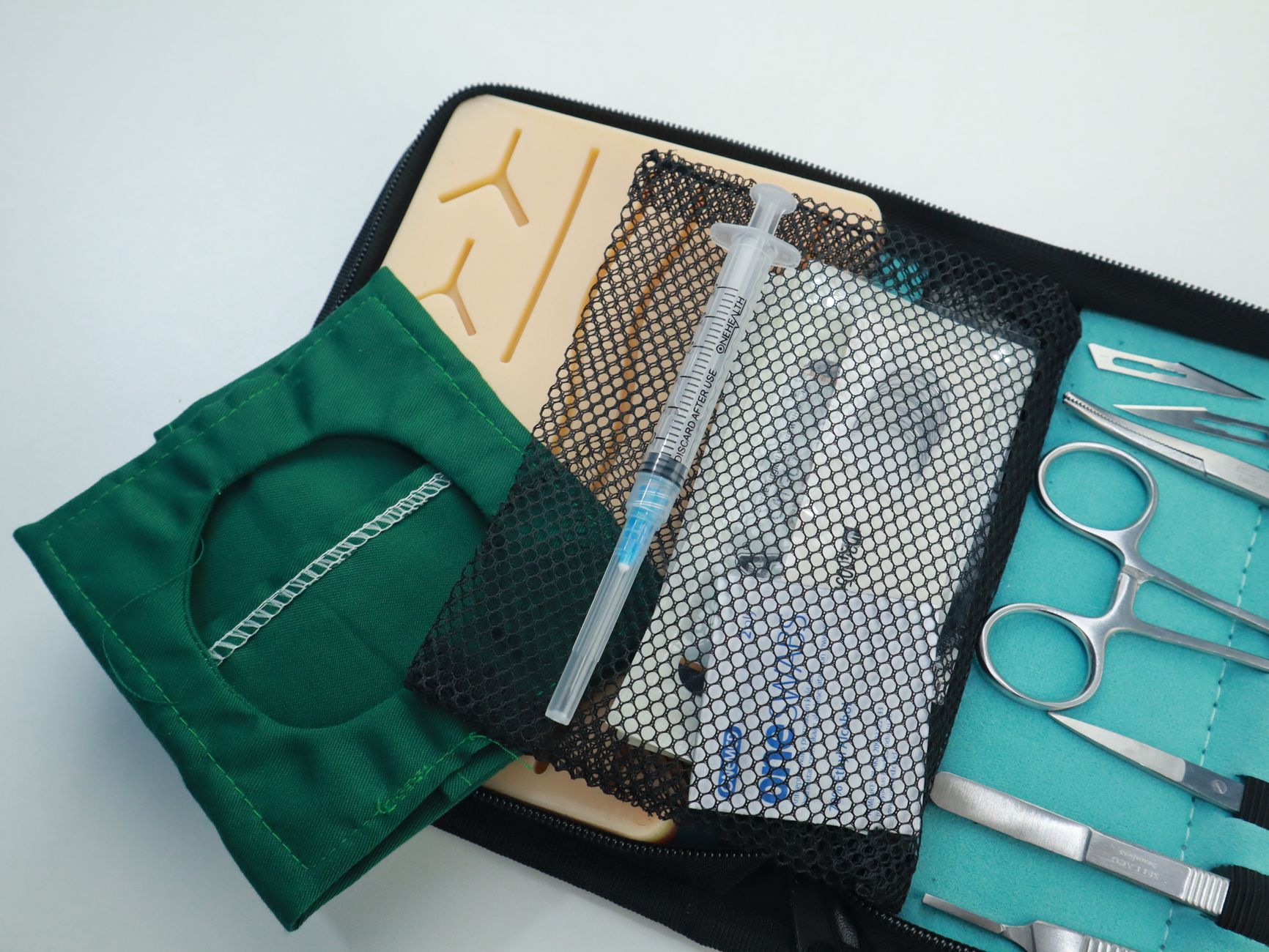
Explore complication-based surgical training, a vital approach to prepare residents for real-world surgical challenges and improve patient outcomes.
# Complication-Based Surgical Training Explained: Enhancing Resident Preparedness
Surgical training has evolved significantly over the past decades, shifting from traditional apprenticeship models to more structured, competency-based curricula. Among the emerging educational strategies, complication-based surgical training has gained prominence as an effective method to prepare surgical residents for the complexities and unpredictability of operative care.
What Is Complication-Based Surgical Training?
Complication-based surgical training focuses on teaching residents to anticipate, recognize, and manage intraoperative and postoperative complications. Rather than solely emphasizing ideal surgical technique, this approach integrates real-world challenges into the learning process, fostering critical thinking and decision-making skills under pressure.
### Key Components
- Identification of Common Complications: Understanding the types and frequencies of complications associated with specific procedures.
- Simulation of Complication Scenarios: Using simulation platforms to recreate adverse events in a controlled environment.
- Decision-Making and Management: Training residents to respond appropriately to complications, including troubleshooting and escalation.
- Reflection and Feedback: Encouraging self-assessment and guided feedback to reinforce learning.
Why Is Complication-Based Training Important?
### Enhances Preparedness Surgical complications can arise unexpectedly, and prompt, effective management is crucial to patient safety. Complication-based training equips residents with the skills and confidence to handle these situations.
### Improves Patient Outcomes Studies have shown that surgeons trained to anticipate and manage complications contribute to reduced morbidity and mortality rates.
### Fosters Critical Thinking This approach encourages residents to think beyond routine procedures, developing adaptability and problem-solving skills.
### Supports Competency-Based Education By focusing on real-life challenges, complication-based training aligns with competency frameworks emphasizing outcomes and practical skills.
Implementing Complication-Based Training in Residency Programs
### 1. Curriculum Integration Incorporate complication scenarios into existing surgical rotations and didactic sessions.
### 2. Simulation-Based Learning Utilize high-fidelity simulators and virtual reality platforms to mimic complications such as bleeding, organ injury, or equipment failure.
### 3. Case-Based Discussions Review real or hypothetical cases involving complications to analyze decision-making processes.
### 4. Multidisciplinary Collaboration Engage anesthesiologists, nurses, and other team members in training to reflect the team-based nature of complication management.
### 5. Assessment and Feedback Use objective structured clinical examinations (OSCEs) and direct observation to evaluate resident performance.
Common Surgical Complications Addressed in Training
- Hemorrhage and bleeding control
- Infection prevention and management
- Organ or tissue injury
- Anesthetic complications
- Equipment malfunction
- Postoperative respiratory or cardiovascular events
Benefits for Surgical Residents
- Increased confidence in handling emergencies
- Improved technical and non-technical skills
- Enhanced communication and teamwork abilities
- Better understanding of risk factors and prevention strategies
Challenges and Considerations
- Resource Intensity: High-fidelity simulation can be costly and time-consuming.
- Standardization: Developing standardized complication scenarios requires expert consensus.
- Emotional Impact: Managing complications can be stressful; training should include coping strategies.
Future Directions
Advancements in simulation technology and educational research continue to refine complication-based training. Incorporating data analytics and personalized learning plans may further optimize resident education.
---
Conclusion
Complication-based surgical training represents a critical evolution in surgical education, emphasizing preparedness for real-world challenges. By integrating simulation, case discussions, and multidisciplinary approaches, residency programs can enhance the competence and confidence of future surgeons, ultimately improving patient safety and outcomes.
---
Keywords: surgical education, complication management, surgical simulation, resident training, patient safety