Adaptive Surgical Simulation: Personalized Training Based on Individual Performance
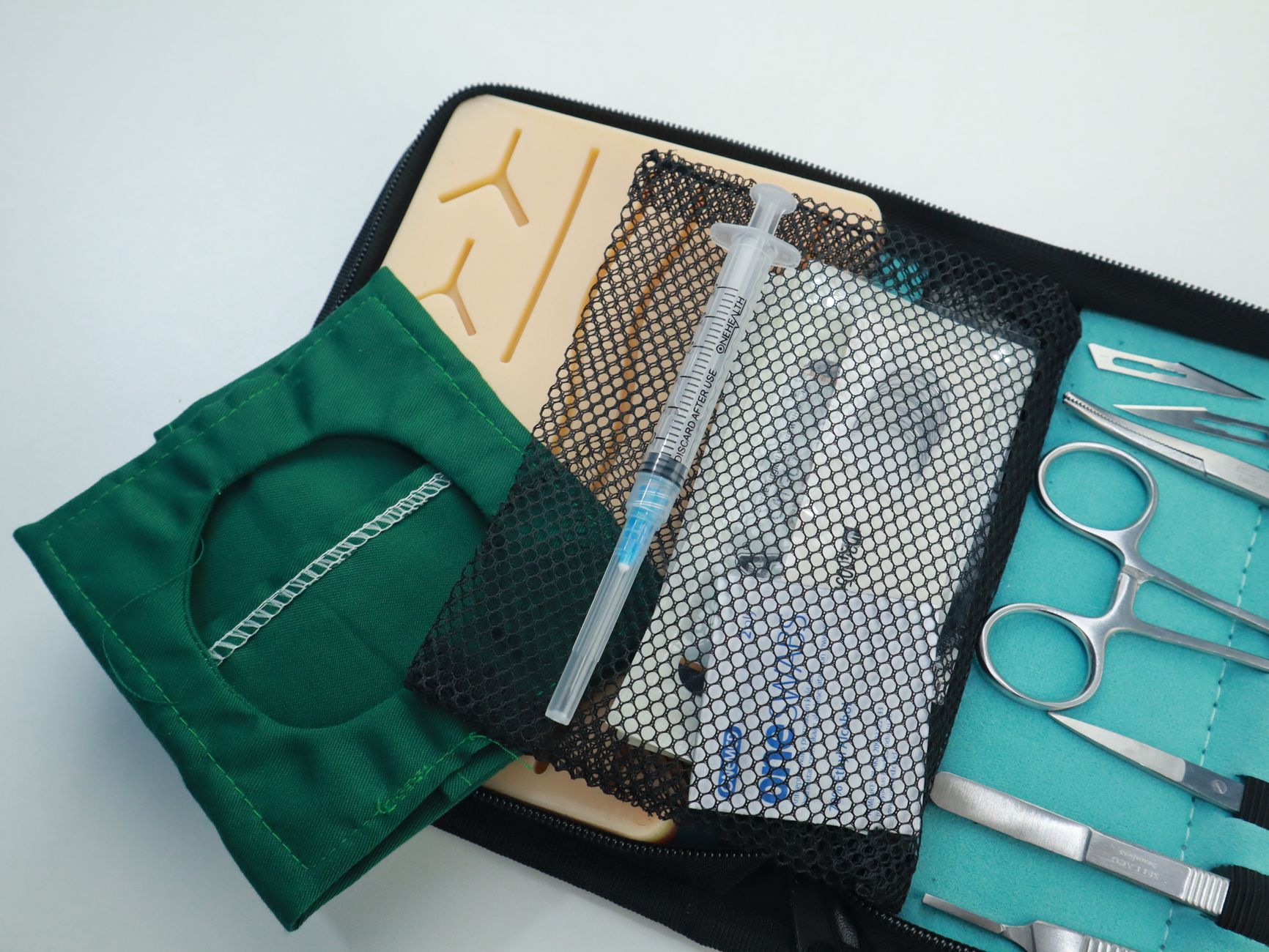
Explore how adaptive surgical simulation tailors training to individual performance, enhancing skill acquisition and surgical proficiency.
# Adaptive Surgical Simulation: Personalized Training Based on Individual Performance
Surgical education has evolved significantly with the integration of simulation technologies. Among these advances, adaptive surgical simulation stands out as a transformative approach that customizes training based on each learner’s unique performance. This method enhances skill acquisition, optimizes learning curves, and ultimately improves patient safety.
What is Adaptive Surgical Simulation?
Adaptive surgical simulation refers to training platforms that dynamically adjust the difficulty, feedback, and learning pathways according to the trainee’s demonstrated skills and progress. Unlike traditional fixed-scenario simulations, adaptive systems analyze performance metrics in real time and modify the training experience to target specific weaknesses or reinforce strengths.
### Key Features
- Performance-based progression: Trainees advance through modules based on competency rather than time.
- Customized feedback: Immediate, targeted feedback helps learners understand errors and correct techniques.
- Variable difficulty levels: Scenarios become more complex as proficiency improves.
Benefits of Adaptive Surgical Simulation
### 1. Individualized Learning Experience Each trainee has a distinct background, learning style, and pace. Adaptive simulation respects these differences by providing a tailored curriculum that meets the learner where they are.
### 2. Efficient Skill Acquisition By focusing on areas needing improvement, adaptive systems reduce time spent on mastered skills and accelerate overall competency.
### 3. Enhanced Retention and Transferability Personalized feedback and repetitive practice of challenging skills promote better retention and smoother transfer to the operating room.
### 4. Objective Performance Assessment Adaptive platforms collect detailed data on metrics such as precision, speed, and error rates, enabling objective evaluation of progress.
Components of Adaptive Surgical Simulation Systems
### Performance Metrics Commonly tracked parameters include:
- Instrument handling and dexterity
- Procedural accuracy
- Time to completion
- Error frequency and type
### Feedback Mechanisms Effective adaptive systems provide:
- Visual and auditory cues
- Step-by-step guidance
- Comparative performance analytics
### Scenario Modulation Based on performance, the system may:
- Increase procedural complexity
- Introduce unexpected complications
- Adjust anatomical variations
Implementing Adaptive Simulation in Surgical Training
### Integration with Curriculum Adaptive simulation should complement traditional didactics and supervised clinical experience, forming a blended learning approach.
### Faculty Involvement Instructors play a critical role in interpreting simulation data, mentoring trainees, and validating skill transfer.
### Continuous Improvement Data from adaptive simulations can inform curriculum updates and identify common learning gaps across cohorts.
Challenges and Considerations
- Technical complexity: Developing responsive algorithms requires sophisticated software engineering.
- Cost: Initial investment can be high, though long-term benefits may offset expenses.
- User acceptance: Trainees and educators must trust and engage with adaptive systems for maximal impact.
Future Directions
As technology advances, adaptive surgical simulation is poised to incorporate more nuanced performance analytics and immersive environments. This evolution promises even greater personalization and effectiveness in surgical education.
---
In summary, adaptive surgical simulation represents a paradigm shift in surgical training by customizing learning pathways based on individual performance. This approach not only accelerates skill mastery but also supports safer, more confident surgeons entering clinical practice.
---